
What the Catholic Catechism is and how to actually use it
Maybe you heard the word during an RCIA class, saw a thick paperback on a shelf at your parish bookstore, or had a friend say "just check the Catechism" when a question about Catholic belief came up. If you weren't raised with the term, it can sound intimidating, like a legal code written for theologians rather than regular people. It isn't. The Catholic Catechism is simply the Church's official summary of what Catholics believe, why they believe it, and how that belief is meant to shape daily life.
Once you understand how it's put together and what it's actually for, it stops being a mysterious object and becomes something closer to a reference book you can open whenever a question comes up at dinner, in a Bible study, or in your own head at two in the morning.
What the Catholic Catechism actually is
The full name is the Catechism of the Catholic Church, often shortened to CCC. It was published in 1992 under Pope John Paul II, after several years of work by a commission of bishops and theologians who gathered feedback from Catholic communities around the world. The goal was not to invent new teaching but to gather and organize existing Catholic doctrine into one coherent, readable text.
Think of it less as a rulebook and more as a structured explanation. It draws on Scripture, the writings of early Church Fathers, the decisions of Church councils, the lives of saints, and centuries of theological reflection, then arranges all of that material around four basic questions:
- What do Catholics believe? (the Creed)
- How is that belief celebrated? (the sacraments)
- How is it meant to be lived? (moral life and the commandments)
- How is it expressed in a relationship with God? (prayer)
Every paragraph in the Catechism is numbered, which makes it easy to cite a specific teaching precisely, the way a lawyer might cite a section of a legal code. When someone refers to "CCC 2258" or "paragraph 1324," they're pointing to an exact passage rather than a vague impression of what the Church teaches.
Why the Church felt it needed a new catechism
Catechisms are not new. The Church produced a famous one after the Council of Trent in the sixteenth century, largely to respond to the Protestant Reformation and to give parish priests a reliable tool for teaching. That Roman Catechism shaped Catholic instruction for centuries, but it was written in a very different intellectual and cultural world.
After the Second Vatican Council (1962–1965), bishops and theologians recognized that Catholic teaching needed to be re-presented in language that spoke to modern readers, incorporating the Council's renewed emphasis on Scripture, the role of the laity, and the Church's relationship with other Christians and other faiths. Pope John Paul II called for this project in 1985, and the result, published seven years later, became the first truly universal catechism since Trent.
Pope John Paul II described the finished text as a sure norm for teaching the faith, meant to serve bishops and all the faithful as a reliable point of reference.
That phrase matters. The Catechism is not meant to replace local catechetical programs, parish religious education, or the Bible itself. It's meant to be the reliable backbone that all of those resources can check themselves against, so that Catholic teaching stays consistent whether you're learning it in Manila, Chicago, or a small village in rural Poland.
How the Catechism is organized into four pillars
Understanding the structure makes the book far less overwhelming. The Catechism is divided into four major sections, often called the "four pillars," and each one answers a different kind of question.
- The Profession of Faith: This section walks through the Apostles' Creed line by line, explaining core beliefs about God as Trinity, creation, the person of Jesus Christ, the Holy Spirit, the Church, and eternal life.
- The Celebration of the Christian Mystery: This covers the seven sacraments (Baptism, Confirmation, Eucharist, Reconciliation, Anointing of the Sick, Holy Orders, and Matrimony) and the broader structure of Catholic worship and liturgy.
- Life in Christ: This section addresses morality, human dignity, conscience, virtue, sin, and a detailed treatment of the Ten Commandments as a framework for ethical living.
- Christian Prayer: The final section explores what prayer is, different forms of prayer in the Christian tradition, and ends with a line-by-line reflection on the Our Father.
Each pillar builds on the last. Belief (what you hold to be true) leads naturally into worship (how that truth is celebrated), which shapes moral life (how it's lived out), which in turn is sustained by prayer (how the relationship with God is kept alive). The order isn't random; it reflects a logical progression that mirrors how faith is meant to develop in a person's life.
How to actually read the Catechism without getting lost
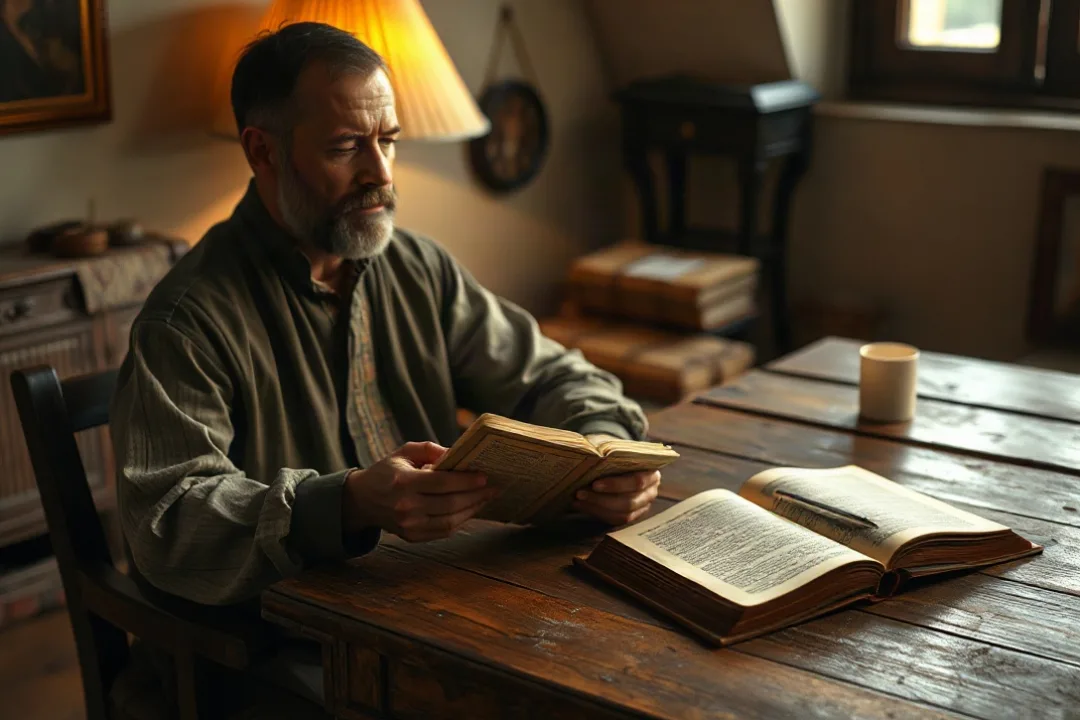
Very few people read the Catechism cover to cover like a novel, and you don't need to. It's a reference work, designed to be consulted on specific topics rather than consumed in one sitting. A few practical habits make it much more useful.
- Start with a question, not a chapter. If you're wondering what the Church teaches about confession, look up the index entry for "Reconciliation" rather than trying to read the whole second pillar straight through.
- Use the paragraph numbers. Most editions include a detailed index and cross-references at the bottom of each page, pointing you to related paragraphs elsewhere in the text. Following those links often clarifies a teaching far better than reading one paragraph in isolation.
- Read the footnotes. They cite Scripture passages, Church documents, and writings of saints that back up each statement. Looking up a cited Bible passage in context often answers follow-up questions before they even form.
- Pair it with the Compendium. A shorter companion volume, the Compendium of the Catechism of the Catholic Church, presents the same material in a question-and-answer format, which some readers find more approachable as a starting point.
- Don't skip the summaries. Most sections end with a short "In Brief" recap, which is a fast way to review a topic you've already studied in depth.
Tip: Keep a notebook or a notes app open while you read. Jotting down the paragraph number next to any teaching you want to revisit later saves a lot of time flipping back through the index.
Misunderstandings that cause confusion
A few myths about the Catechism circulate often enough that they're worth addressing directly.
- "It's a list of rules." Large sections do address moral conduct, but the bulk of the text is devoted to explaining belief, sacramental life, and prayer. Rules, where they appear, are framed as expressions of a relationship with God rather than arbitrary restrictions.
- "It replaces the Bible." The opposite is closer to the truth. The Catechism quotes Scripture constantly and treats the Bible as a primary source, not a secondary one. Reading the Catechism often sends people back to Scripture with better context.
- "Every paragraph has equal weight." Catholic theology distinguishes between teachings that are central and unchangeable and those that reflect disciplinary practices or pastoral applications that can develop over time. The Catechism itself notes this distinction in places, though recognizing it takes some familiarity with how Church teaching is structured.
- "It's only for converts or new Catholics." While it's a cornerstone of RCIA and adult formation programs, longtime Catholics, catechists, and even clergy use it regularly to check details, prepare lessons, or settle a disputed point.
Where the Catechism fits among other sources of Catholic teaching
The Catechism is authoritative, but it doesn't stand alone. Catholic teaching also draws on Sacred Scripture, the writings of popes and councils, and what's called Sacred Tradition, the body of teaching passed down through the life of the Church since apostolic times. The Catechism functions as a synthesis of all of these, organized for clarity and consistency rather than as a replacement for any of them.
When new questions arise, for example around emerging ethical issues in medicine or technology, the Church sometimes addresses them through separate documents issued by the pope or Vatican offices. These documents don't contradict the Catechism; they apply its underlying principles to situations the original text may not have addressed in detail. Later editions and official updates to the Catechism have occasionally incorporated this kind of development, as happened with a revision to the paragraph on the death penalty issued under Pope Francis.
Important to remember: The Catechism explains and organizes Catholic teaching; it is not itself the final word on every pastoral or disciplinary question. For situations involving personal circumstances, a priest, deacon, or trained catechist can help apply the Catechism's principles in a specific, pastoral way.
For someone exploring the Catholic faith, preparing for Confirmation, teaching a religious education class, or simply trying to settle a question that came up in conversation, the Catechism offers something rare: a single, carefully organized text that lays out two thousand years of reflection in a format anyone can navigate with a bit of practice. It rewards patience far more than it demands expertise.
Frequently asked questions
Who wrote the Catholic Catechism?
It was prepared by a commission of twelve cardinals and bishops, led by Cardinal Joseph Ratzinger (later Pope Benedict XVI), with input gathered from bishops' conferences worldwide. Pope John Paul II approved and promulgated the final text in 1992.
Is the Catechism the same as the Bible?
No. The Catechism is a teaching document that explains and organizes Catholic belief, quoting Scripture extensively throughout. The Bible remains the inspired word of God and a primary source the Catechism draws from, not something it replaces.
Do Catholics have to agree with every line of the Catechism?
Catholics are expected to accept the core doctrines it presents, since these reflect settled Church teaching. Some sections, particularly those involving pastoral applications or disciplinary practices, can develop over time, which is different from doctrines considered unchangeable.
What is the easiest way for a beginner to start reading it?
Start with the shorter Compendium, which presents the same teachings in question-and-answer form, or pick one topic that interests you and use the index rather than reading from the first page straight through.
Leave a Reply