
How to find and follow the Catholic Mass for today
If you're searching for the Catholic Mass for today, the fastest way to find it is through the United States Conference of Catholic Bishops (USCCB) website, which posts the daily Mass readings every morning, or through your local parish's bulletin and website, which lists the exact Mass times near you. Apps like Laudate, iBreviary, and My Catholic Life! also publish the day's readings and prayers. If you can't attend in person, EWTN and many parishes livestream daily Mass so you can follow along from home.
Catholic Mass happens every day of the year, not just on Sundays. Each day has its own set of Scripture readings, prayers, and sometimes a specific saint or feast being honored. Understanding how to locate and follow today's Mass helps you stay connected to the rhythm of the Church's liturgical life, whether you're able to walk into a church or need to participate from your kitchen table.
What "Mass for today" usually means
When someone searches for the Mass for today, they're typically looking for one of three things: the daily Scripture readings assigned by the Church calendar, the Mass schedule at a nearby parish, or a livestream of an actual Mass happening that day. These three things are related but distinct.
The readings are the same across the entire Latin Rite Catholic Church on any given day, no matter which parish you attend. A Mass celebrated in Boston uses the same first reading, responsorial psalm, and Gospel as one celebrated in San Diego. The homily, music, and local announcements will differ, but the core Scripture and prayers follow a shared calendar set by the Church.
The difference between Sunday Mass and daily (weekday) Mass
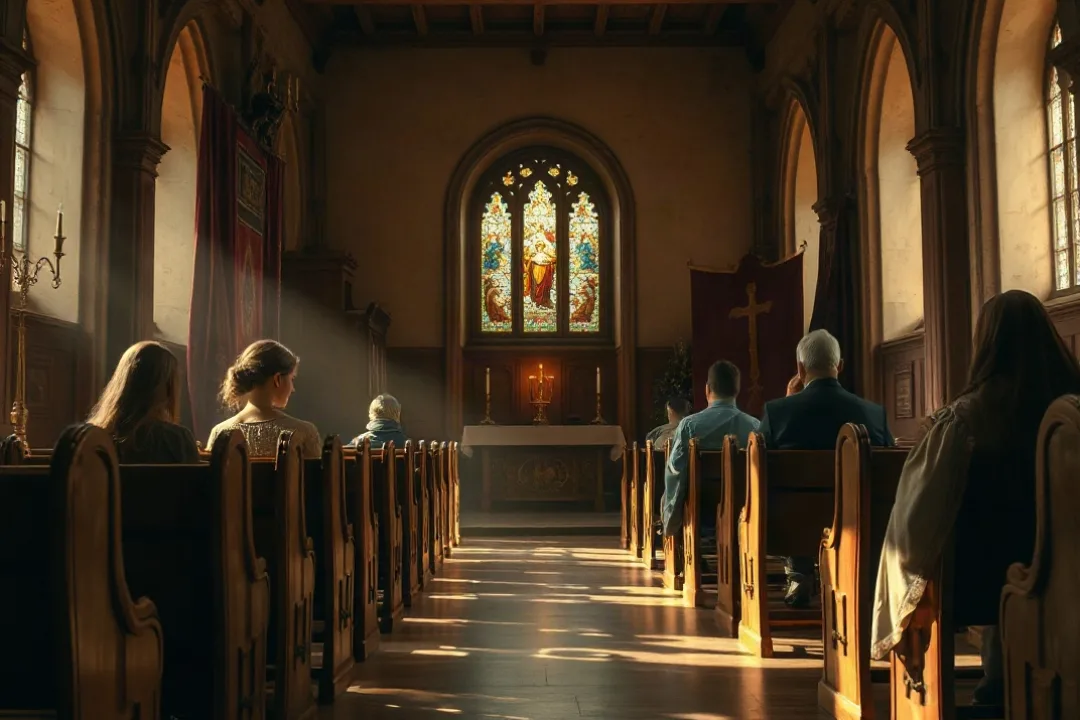
Sunday Mass is longer and more elaborate. It typically includes a longer homily, the Nicene Creed, more hymns, and often a larger congregation. Weekday Mass, sometimes called daily Mass, is usually shorter, around 20 to 30 minutes, with a brief homily and a smaller, quieter gathering. Both follow the same basic structure of the Roman Missal, but the pacing and scale differ.
- Sunday Mass: Includes the Creed, often multiple hymns, a fuller homily, and larger attendance.
- Daily Mass: Shorter overall, no Creed required, smaller congregation, often held in a side chapel.
- Holy Day Masses: Celebrated on specific feasts like Christmas or the Immaculate Conception, sometimes with special readings and extra services.
Where to find today's Mass readings and schedule
There are a few reliable places to check for the current day's readings and local Mass times.
- USCCB website: Publishes the official daily readings for every day of the liturgical year, including the first reading, psalm, second reading (on Sundays), and Gospel.
- Your parish website or bulletin: Lists exact Mass times, including early morning, noon, and evening options, plus any special intentions for the day.
- Catholic apps: Laudate, iBreviary, and Hallow offer daily readings, reflections, and sometimes audio versions of the Mass texts.
- Diocesan websites: Many dioceses list parish Mass schedules in one searchable directory, useful if you're traveling.
- Livestream platforms: EWTN, Vatican News, and individual parish YouTube channels often stream Mass live and archive it afterward.
Tip: If you only need the day's Scripture readings without attending a full Mass, the USCCB daily readings page updates at midnight Eastern time, so it's accurate for that calendar day across the country.
Step-by-step: following along with today's Mass
Whether you're in the pew or watching from home, the structure of the Mass stays consistent. Here's how to follow it from start to finish.
- Check the readings beforehand. Reading the Gospel ahead of time, even for two minutes, helps you absorb the homily better.
- Arrive or log in a few minutes early. The opening hymn and sign of the cross mark the start of the Introductory Rites.
- Follow the Liturgy of the Word. This includes the first reading, responsorial psalm, (on Sundays) a second reading, and the Gospel, followed by the homily.
- Participate in the Liturgy of the Eucharist. This covers the Preparation of the Gifts, the Eucharistic Prayer, and the Consecration, where Catholics believe the bread and wine become the Body and Blood of Christ.
- Receive or spiritually unite with Communion. If you're watching online, many people pray an Act of Spiritual Communion at this point.
- Stay for the Concluding Rites. The final blessing and dismissal send the congregation out, often with a closing hymn.
What happens during a typical daily Mass
A weekday Mass trims some elements found on Sundays but keeps the essential parts intact. You'll still hear Scripture readings, a short homily, and witness the consecration of bread and wine. What's usually missing is the Creed, and the music is often minimal or absent altogether.
Priests frequently offer daily Mass for specific intentions, such as the repose of a deceased parishioner's soul or a special request submitted by a family. These intentions are usually listed in the parish bulletin or announced at the start of Mass.
Why the readings change every day
The Catholic Church follows a structured lectionary, a schedule of Scripture readings that cycles over one or two years depending on whether it's a Sunday or weekday Mass. Sunday readings rotate through a three-year cycle labeled A, B, and C, while weekday readings follow a two-year cycle labeled I and II. This system ensures that, over time, Catholics hear a broad sweep of the Old and New Testaments rather than the same passages repeated endlessly.
On top of this regular cycle, certain days override the usual rotation. Feast days, solemnities, and memorials of saints often come with their own assigned readings that relate directly to the person or event being honored that day.
How the liturgical calendar shapes today's Mass
The Church's year isn't divided like the standard January-to-December calendar. Instead, it moves through distinct seasons, each with its own tone and color.
- Advent: A season of preparation before Christmas, marked by purple vestments and readings about waiting and hope.
- Christmas: Celebrates the birth of Christ, extending for about two weeks, with white or gold vestments.
- Ordinary Time: The longest season, occurring in two stretches during the year, focused on the life and teaching of Jesus.
- Lent: Forty days of penance and reflection before Easter, using purple vestments and somber readings.
- Easter: A fifty-day celebration of the Resurrection, marked by white or gold vestments and joyful readings.
Within these seasons, specific days are set aside to honor saints or events, called memorials, feasts, or solemnities depending on their importance. A solemnity, such as the Feast of the Assumption, takes precedence over the regular weekday readings and often requires attendance as a holy day of obligation in certain years or regions.
Why it matters which day of the liturgical year it is
Knowing where today falls in the liturgical calendar helps explain the tone of the readings and the color of the vestments the priest is wearing. A reading about John the Baptist's preaching in the desert makes more sense once you know it's Advent. A Gospel passage about the empty tomb fits naturally into the Easter season.
Attending in person vs. watching a Mass online
Both options have their place, and the Church has clarified how each should be understood.
- In-person attendance allows for the physical reception of Holy Communion, which is central to Catholic worship and cannot be replicated virtually.
- Online or televised Mass can be valuable for those who are homebound, sick, elderly, or unable to reach a parish, but it is generally not considered a substitute for in-person attendance when someone is physically able to go.
- Spiritual Communion is a traditional prayer practice for those watching remotely, expressing a desire to receive Christ even when sacramental Communion isn't possible at that moment.
Reminder: If you're watching Mass online because you're sick or traveling without access to a parish, that's a reasonable use of livestreamed Mass. If attending in person is realistically possible, most parishes and pastors encourage going whenever you can.
Tips for getting more out of daily Mass
Attending or following Mass regularly becomes more meaningful with a few small habits.
- Read the Gospel the night before. This gives your mind time to sit with the passage instead of hearing it cold.
- Arrive a few minutes early. A moment of quiet before Mass starts helps you shift out of the rush of the day.
- Keep a small missal or app handy. Following the text of the prayers, rather than just listening, keeps your attention anchored.
- Note the saint of the day. Many weekday Masses honor a particular saint, and learning a bit about that person's life adds context to the homily.
- Bring a specific intention. Even a brief daily Mass can be a moment to pray for a person or situation on your mind.
Common feast days and special observances you might see today
Throughout the year, certain dates are fixed to honor particular saints or mysteries of the faith, while others move depending on the date of Easter. Examples include memorials for figures like St. Francis of Assisi or St. Teresa of Ávila, as well as movable observances tied to the Easter cycle, such as Ash Wednesday or Pentecost.
When a feast or solemnity falls on a weekday, the readings assigned to that saint or event typically replace the regular weekday cycle. This is why checking the actual date, rather than assuming it's an ordinary weekday, matters if you're trying to understand why the readings seem unusual or unexpected.
As one reflection on the liturgical calendar puts it, the Church organizes time itself around the life of Christ, so that "every day becomes an occasion to remember some part of the mystery of salvation." That's part of why no two days of Mass readings are ever quite the same.
Frequently asked questions
How do I find today's Catholic Mass readings without going to church?
Visit the USCCB website, which publishes the official daily readings each morning, or use apps like Laudate or iBreviary. Both update automatically based on the current liturgical calendar date.
Is watching Mass on TV or online the same as attending in person?
No. Watching a livestream can help those who are sick, elderly, or unable to travel, but it doesn't allow for sacramental Communion. The Church generally encourages in-person attendance whenever it's realistically possible.
Why do the Mass readings change every day?
The Catholic Church follows a structured lectionary that cycles through Scripture over one or two years, depending on whether it's a Sunday or weekday. Feast days and solemnities can also override the regular cycle with their own specific readings.
What's the difference between daily Mass and Sunday Mass?
Daily Mass is shorter, usually skips the Creed, and often has a smaller congregation and minimal music. Sunday Mass is longer, includes the Creed, typically has more hymns, and draws a larger gathering.
Leave a Reply