
Who is the Bishop of Lincoln and what does the role involve?

The Bishop of Lincoln is the senior Church of England cleric responsible for the Diocese of Lincoln, a role that has existed in some form since the see was established in 1072. The diocese covers most of the historic county of Lincolnshire, and the bishop's seat, or cathedra, sits in the magnificent Lincoln Cathedral that has dominated the city's skyline for nearly a thousand years.
Unlike a parish priest, the bishop does not run a single congregation. Instead, this person oversees hundreds of parishes, ordains clergy, confirms new church members, and represents the diocese both within the Church of England and in wider public life. The role blends spiritual leadership with practical administration on a regional scale.
How the Diocese of Lincoln came to exist
The see of Lincoln was created shortly after the Norman Conquest, when the Norman bishop Remigius de Fécamp moved the seat of his diocese from Dorchester-on-Thames to Lincoln. At the time, this made Lincoln one of the largest dioceses in England, stretching from the Humber down toward the Thames Valley.
Remigius began construction of the first cathedral on the site, a building later damaged and substantially rebuilt after structural failures and, according to tradition, an earthquake in the twelfth century. The rebuilding under later bishops transformed Lincoln Cathedral into one of the finest examples of Gothic architecture in Europe, and for several centuries its central spire was believed to be the tallest structure in the world.
Over time, the diocese's boundaries were adjusted as the Church of England created new sees to serve a growing and urbanizing population. What remains today is smaller geographically than the medieval diocese, but it still carries the same historic title and much of the same spiritual weight.
What the Bishop of Lincoln actually does day to day
Modern bishops juggle pastoral care, governance, and public representation. The responsibilities attached to the Bishop of Lincoln typically include:
- Ordaining and licensing clergy who serve in parishes across Lincolnshire
- Confirming young people and adults who choose to formally join the Anglican faith
- Chairing diocesan synods and overseeing the governance bodies that manage church property, finances, and strategy
- Visiting parishes regularly to preach, listen to local concerns, and assess the health of individual congregations
- Representing the diocese in interfaith dialogue, civic events, and sometimes national church debates
- Supporting struggling or declining churches, a growing part of the job in rural dioceses with aging congregations
Because Lincolnshire includes many small, scattered rural parishes alongside the city itself, the bishop spends a significant amount of time traveling between communities that might only hold a handful of regular worshippers.
Worth knowing: the Bishop of Lincoln is not elected by the public or even by the diocese itself. The appointment follows a formal process involving church committees and ultimately royal approval, since the Church of England remains an established church.
How someone becomes the Bishop of Lincoln
The appointment process for any English diocesan bishop, including Lincoln, follows a structured sequence rather than a simple hiring decision. Understanding the steps helps explain why the role carries such institutional weight.
- A vacancy is declared when the previous bishop retires, resigns, or is translated to another see.
- A Crown Nominations Commission, made up of diocesan representatives and central church figures, gathers views from the diocese and interviews candidates.
- The commission submits names to the Prime Minister's office, which forwards a recommendation to the monarch, since bishops are formally Crown appointments.
- Once approved, the new bishop is confirmed through a legal ceremony and later formally installed, or enthroned, in Lincoln Cathedral.
This process can take many months, during which a diocese is usually led temporarily by other senior clergy, such as a suffragan bishop or the dean of the cathedral.
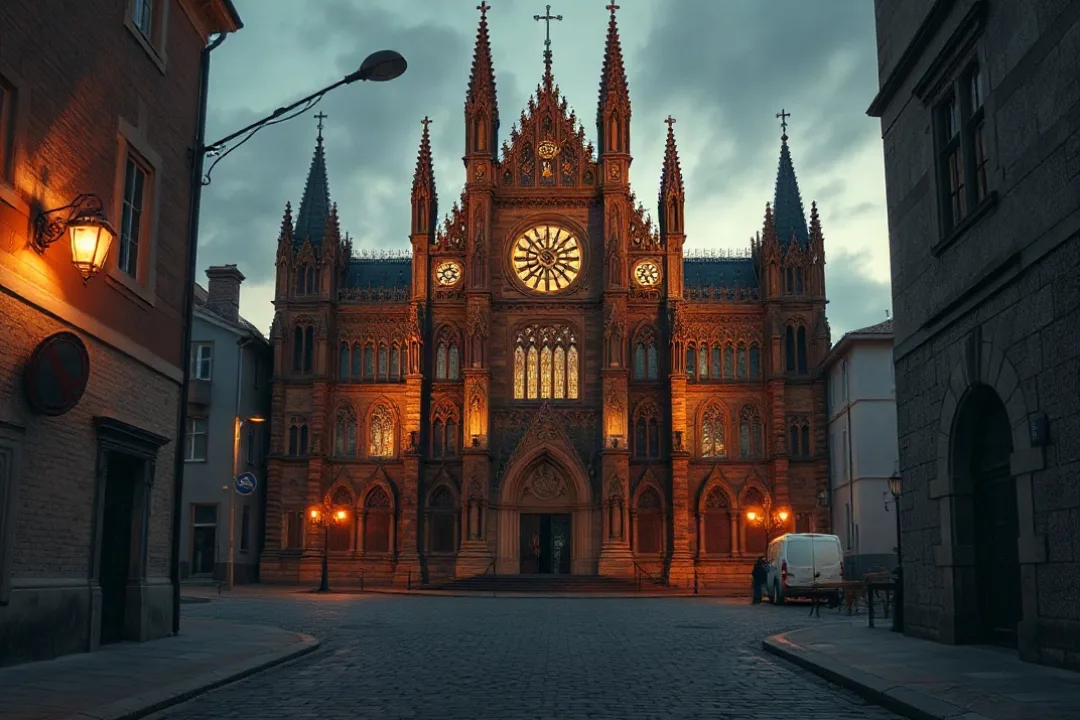
The current holder of the title
The current Bishop of Lincoln is Stephen Conway, who was translated to Lincoln from the Diocese of Ely and installed around 2019. Like his predecessors, he leads the diocese from the historic bishop's residence and works closely with the cathedral's dean and chapter, though the exact responsibilities of any sitting bishop can shift slightly depending on diocesan priorities and personal ministry focus.
Notable bishops who shaped Lincoln's history
Several past holders of the title left a lasting mark not just on the diocese but on English religious and intellectual life more broadly.
- Remigius de Fécamp founded the see and began building the first cathedral on the site in the late eleventh century.
- Robert Grosseteste, bishop in the thirteenth century, was a noted scholar and early scientific thinker, remembered for his work on optics and natural philosophy as much as his church leadership.
- Hugh of Lincoln, often called St Hugh, is credited with rebuilding much of the cathedral after earlier structural damage, and his tomb became a major medieval pilgrimage site.
These figures illustrate how the role historically extended well beyond church administration, touching education, architecture, and even early scientific inquiry.
Robert Grosseteste is said to have believed that the study of light and nature was itself a form of approaching divine truth, a view that linked his theological office with his scientific curiosity.
Lincoln Cathedral's place in the bishop's ministry
The cathedral is not simply a historic building; it remains the working center of the bishop's ministry. The bishop's throne, or cathedra, sits within the building, and major services, ordinations, and installations all take place there.
The cathedral also houses one of the surviving original copies of the Magna Carta, a reminder that the diocese has long been entangled with English political and legal history, not only religious life. Visitors to Lincoln often come as much for this historical weight as for active worship.
Maintaining a building of this age and scale is expensive, and part of the bishop's practical role involves supporting fundraising and preservation efforts alongside the cathedral's own governing chapter.
How the diocese is organized today
The modern Diocese of Lincoln is divided into smaller units to make pastoral oversight manageable across a largely rural county. Key elements of the structure include:
- Archdeaconries, which group parishes into broader administrative regions led by an archdeacon
- Deaneries, smaller clusters of parishes that meet regularly and share resources
- Suffragan bishops, assistant bishops who support the Bishop of Lincoln and often take responsibility for specific areas, such as the Bishop of Grantham
- Lay and ordained synod members, who vote on diocesan policy, budgets, and strategic decisions
This layered structure means the Bishop of Lincoln rarely acts alone. Most practical decisions involve consultation with archdeacons, diocesan staff, and elected synod representatives, even though the bishop carries ultimate spiritual and often final administrative authority.
Why the title still carries historical significance
Lincoln was once among the wealthiest and most powerful dioceses in medieval England, partly because of its sheer geographic size and partly because of the wool trade that enriched the region. While the diocese has shrunk and modern religious attendance across England has declined, the title of Bishop of Lincoln still carries considerable symbolic weight within the Church of England's hierarchy.
Bishops of historic sees like Lincoln are sometimes called to sit in broader church governance bodies, and the diocese's long continuous history gives the role a sense of institutional memory that newer dioceses simply do not have.
Keep in mind: the Bishop of Lincoln is distinct from the civic Mayor of Lincoln or any secular city official. The two roles are entirely separate, one religious and one municipal, even though both are closely tied to the same historic city.
For residents and visitors alike, understanding the bishop's role offers a window into how an institution founded nearly a thousand years ago continues to adapt, serving both an ancient cathedral community and the everyday needs of parishes scattered across modern Lincolnshire.
Frequently asked questions
What area does the Diocese of Lincoln cover?
The diocese covers most of Lincolnshire, including the city of Lincoln itself and a wide spread of market towns and rural parishes. It is smaller today than in medieval times, when boundary changes split off territory to form other dioceses, but it remains one of the larger rural dioceses in the Church of England.
Is the Bishop of Lincoln the same as the Dean of Lincoln Cathedral?
No, these are different roles. The bishop oversees the entire diocese, including all parishes, while the dean specifically manages the cathedral itself, its daily worship, staff, and upkeep. They work closely together, but the dean does not have authority over parishes outside the cathedral.
How is the Bishop of Lincoln chosen?
A Crown Nominations Commission gathers input from the diocese, interviews candidates, and recommends names that are passed through the Prime Minister's office to the monarch for formal approval. Once confirmed, the new bishop is legally installed and later enthroned in Lincoln Cathedral.
Why is Lincoln Cathedral important to the bishop's role?
The cathedral houses the bishop's official seat, or cathedra, and hosts major ordinations and diocesan services. It also holds a surviving original Magna Carta, linking the bishop's ministry to a building with deep historical and legal significance beyond religious life.
Leave a Reply