
Miriam and the Psychological Burden of Leprosy: A Deeper Look
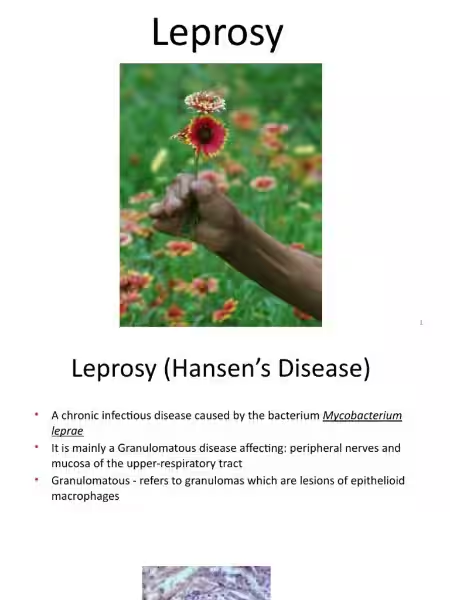
Miriam, a figure often overshadowed in biblical narratives, carries a poignant story of suffering and resilience. Her experience with leprosy, though shrouded in historical context, offers valuable insights into the psychological trauma associated with stigmatized illnesses. Understanding this can be crucial in modern times, as we face similar challenges of discrimination and social exclusion. Exploring the narratives surrounding Miriam helps us better understand the complex interplay between physical illness and mental well-being.
The biblical account of Miriam's affliction with leprosy presents us with a glimpse into the deep societal impact of such a disease. Leprosy, in ancient times, was often viewed as a punishment or a sign of divine displeasure. Consequently, those afflicted faced devastating consequences. Social isolation, ostracism, and a deep sense of spiritual alienation were rampant. Miriam, like many others, likely experienced a profound loss of identity and purpose. This reinforces the importance of recognizing the psychological toll that stigmatized illnesses can impose. Think about how a public health crisis, like an epidemic, could trigger deep societal anxieties that lead to fear and prejudice.
The Stigma of Leprosy: A Historical Perspective
Leprosy has a long and complex history, profoundly influencing views on illness and social stratification. In various cultures and time periods, leprosy has been associated with sin, impurity, and moral transgression. This fueled profound social stigma, leading to the isolation and marginalization of those affected. Imagine the fear and misunderstanding that must have accompanied a diagnosis of leprosy in ancient times. Fear of contagion and the lack of understanding about the disease's transmission only exacerbated the stigma.
The combination of physical disfigurement, social isolation, and economic hardship associated with leprosy created a potent cocktail of psychological distress. Imagine the profound impact on self-esteem and mental well-being. The emotional burden would have been immense. The psychological suffering could be more devastating than the physical ailments themselves. Modern parallels can be drawn to other stigmatized conditions, such as HIV/AIDS or mental health disorders, highlighting the crucial need for empathy and compassion.
Miriam's Experience: A Case Study in Resilience
While the biblical account of Miriam's leprosy is brief, it suggests a significant psychological struggle. The social isolation, the loss of social standing, and the potential for ostracism would have been deeply impactful. Miriam's story also highlights the potential for faith and resilience in the face of adversity. The ability to withstand the social and emotional pressures of such a condition deserves careful consideration. The story offers a powerful example of how resilience can emerge from the depths of adversity.
Miriam's plight presents a stark example of how social stigma can destroy lives. The psychological consequences of such conditions are profound, often leading to depression, anxiety, and feelings of hopelessness. We must acknowledge the profound impact of stigma on mental health. Understanding the historical context of leprosy and the psychological burdens associated with it is vital in developing effective support systems for those facing similar challenges today. Examples of this include support groups for individuals with chronic illnesses or those experiencing discrimination based on their identity.
The Relevance of Miriam's Story Today
The story of Miriam and leprosy resonates with us today because it speaks to the universal human experience of suffering and resilience. The social impact of stigma remains significant in contemporary society. The parallels between ancient stigmatized conditions and modern challenges are striking. We can learn valuable lessons about empathy, compassion, and the importance of challenging prejudice from Miriam's experience.
Understanding the psychological impact of stigmatized illnesses is crucial in fostering a more compassionate and inclusive society. By reflecting on Miriam's story, we can appreciate the significance of empathy and support in overcoming challenges. Building support systems for those facing social exclusion is vital. This includes providing access to resources, promoting education about the condition, and combating discrimination. Creating a supportive environment that promotes acceptance and understanding is critical.
Frequently Asked Questions: Miriam and Leprosy (Psykologi)
What is Miriam's story and its relevance to understanding leprosy?
Miriam's story, depending on the specific context (religious, fictional, etc.), can offer a window into the social stigma, isolation, and psychological impact of leprosy across different time periods and cultures. Analyzing her experience can illuminate the emotional and mental health challenges faced by individuals with leprosy, and how societal attitudes contribute to their suffering.
How did leprosy affect Miriam's psychological well-being?
The psychological effects on Miriam would vary depending on her specific story. Possible impacts include depression, anxiety, social isolation, low self-esteem, feelings of shame and hopelessness, and potential trauma due to stigma and discrimination.
What psychological support might Miriam have needed?
Miriam may have benefited from various psychological interventions, including counseling, support groups, and access to mental health professionals specializing in trauma and stigmatized illnesses. The focus would be on coping mechanisms, building self-esteem, addressing trauma, and facilitating social reintegration.
How does understanding Miriam's experience inform contemporary approaches to leprosy care?
Understanding Miriam's experience highlights the critical need for holistic leprosy care that addresses not only the physical aspects of the disease but also its profound psychological and social consequences. This includes integrating mental health services into leprosy treatment programs and advocating for social inclusion and destigmatization.
What are the ethical considerations in studying Miriam's experience (if real or based on a real person)?
Ethical considerations include obtaining informed consent (if applicable), ensuring privacy and confidentiality, avoiding re-traumatization, and representing Miriam's experience respectfully and accurately, acknowledging the power dynamics inherent in research involving vulnerable populations.