
Exploring the Musician in the Bible: A Psykologi Perspective
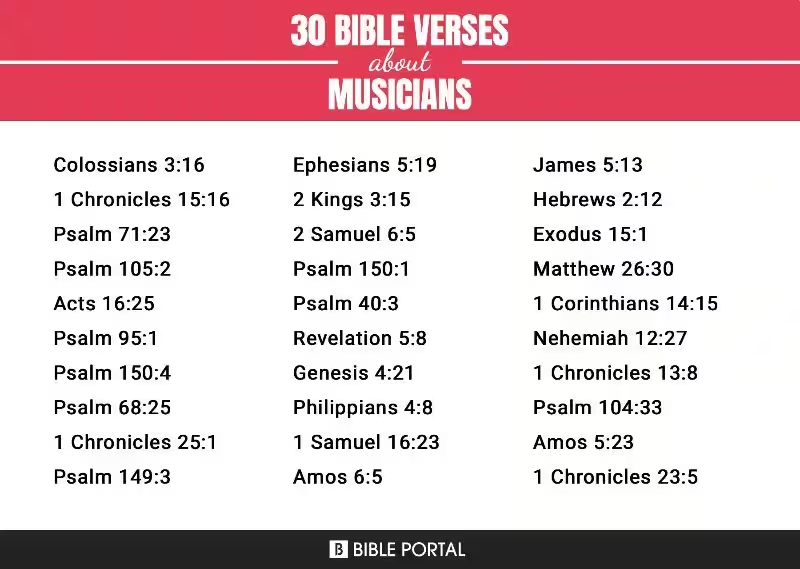
The Bible, a rich tapestry woven with stories of faith, hardship, and hope, also contains vibrant threads of music and musicianship. From the joyous melodies of praise to the sorrowful lamentations of grief, music played a crucial role in the lives of ancient Israelites. Understanding this role offers valuable insights into their social structures, spiritual beliefs, and emotional landscapes. Exploring the musician in the Bible through a psychological lens can reveal fascinating connections between music, emotions, and the human experience.
This exploration delves into the significance of musicians in biblical narratives. We'll examine the different types of music, the instruments used, and the roles musicians played in various ceremonies and rituals. Furthermore, we'll analyze how music affected the emotional states of individuals and communities. Ultimately, by viewing these musical traditions through a contemporary psychological lens, we can gain a deeper appreciation for the power of music to connect us to our past and to each other.
The Role of Music in Ancient Israelite Society
Music was deeply embedded in the daily life of ancient Israelites. It wasn't just entertainment; it was integral to religious ceremonies, social gatherings, and even warfare. Hymns and songs of praise were fundamental to expressing adoration for God. Lamentations were used to mourn loss and seek divine solace. Work songs provided rhythm and unity during collective tasks. This multifaceted application underscores the profound impact music had on the social fabric of the time.
Consider the importance of Levite musicians in the temple. They formed an essential part of the liturgical service, their music acting as a bridge between the human and divine realms. This highlights the societal recognition and respect accorded to those skilled in music. These musicians were vital in fostering a sense of community and shared purpose through their music. Their presence underscores the profound societal value of rhythmic and melodic expression.
Musical Instruments and Their Symbolic Meanings
A variety of instruments, each carrying its own symbolic weight, were used in biblical times. The harp, lyre, and tambourine were popular choices, their sounds likely evoking different emotional responses. Different instruments were assigned to different tasks and events, reflecting the intricate connection between sound and meaning. We can see this reflected in the diversity of musical expressions in biblical accounts.
The flute might have been used for celebrations, while trumpets held a crucial role in signaling events or announcing religious observances. Furthermore, the cymbals, drums, and other percussion instruments likely provided a powerful rhythmic foundation for dances and processions. These instruments, more than just tools, were symbolic representations of the emotions and beliefs of the time. For example, the sound of trumpets could herald a new era or announce a critical event, connecting the material world with the spiritual realm.
Musicality and Emotional Expression
The Bible reveals how music was a powerful tool for expressing a wide range of emotions. Joyful songs marked celebrations, while sorrowful melodies accompanied mourning. The ability to process emotions through music was a crucial part of ancient Israelite society. David's psalms, for instance, offer profound insights into human emotions and their connection to the divine.
Furthermore, the expression of grief through music, often seen in lamentations, served as a vital outlet for emotional processing. It provided a communal space for shared sorrow and a collective struggle to understand and cope with loss. These reflections on joy, sorrow, and faith were deeply integrated into musical expression. This illustrates the universal human need to express and process emotions, a need served by music across cultures and eras.
The Musician in the Bible: A Psykologi Perspective
From a psykologi perspective, the presence of musicians in the Bible offers a window into the psychological well-being of ancient communities. The very act of creating and sharing music fostered a sense of belonging, connection, and shared experience. Furthermore, music provided a medium for emotional regulation and coping mechanisms, especially during times of hardship. It allowed individuals to express their feelings and find solace in collective mourning or celebration.
Analyzing the musician in the Bible through a psykologi lens allows us to appreciate the profound impact of music on the human psyche. It highlights the importance of music as a tool for social bonding, emotional expression, and spiritual connection. Furthermore, understanding the role of musicians in biblical narratives gives us valuable insight into the social dynamics, emotional landscapes, and spiritual beliefs of ancient communities. Ultimately, this exploration reveals the timeless power of music to connect us across cultures and throughout history.
Frequently Asked Questions: Musicians in the Bible & Psychology
Who were some of the musicians mentioned in the Bible?
The Bible mentions several musicians, most notably Asaph, Heman, and Jeduthun, who were chief musicians in David's time and led the temple music. Others include Miriam (sister of Moses), who sang a song of triumph, and the prophets who used music in their ministry.
What role did music play in biblical worship?
Music played a vital role in biblical worship, serving to express praise, thanksgiving, and repentance. It was used to accompany prayers and liturgical ceremonies, creating an atmosphere of reverence and devotion.
How does the Bible relate to the field of psychology?
The Bible offers insights into human nature, emotions, and behavior which are relevant to psychology. It explores themes of suffering, resilience, forgiveness, and relationships, providing a rich source of material for ethical reflection and understanding human experience. However, it's not a psychological textbook and shouldn't be used as a substitute for professional psychological help.
Can biblical principles be applied to psychological well-being?
Many biblical principles, such as love, compassion, forgiveness, and faith, can contribute to psychological well-being. Practices like prayer, meditation, and community involvement, rooted in biblical teachings, have been shown to have positive mental health benefits for some individuals. However, it's important to note these are not cures for mental illness and professional help should be sought when necessary.
Are there specific biblical passages that are particularly relevant to psychology?
Numerous passages address themes relevant to psychology, including Psalms (dealing with emotions), Proverbs (wisdom and behavior), and the Gospels (forgiveness, compassion, and healing). Specific examples depend on the area of psychology in question.