
Understanding Jewish Celebrations Today: A Psychological Perspective
Jewish celebrations, deeply rooted in history and tradition, continue to hold immense significance for countless individuals today. Understanding these celebrations requires not only a historical awareness but also a psychological lens. Exploring the cultural and emotional impact of these observances can offer profound insight into the human experience.
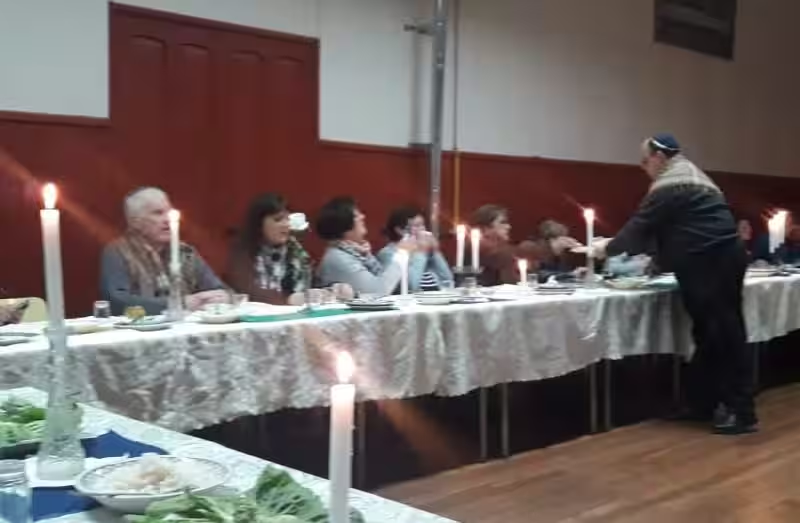
Celebrations like Rosh Hashanah, Yom Kippur, and Passover are more than just holidays; they are powerful vehicles for connecting with one's heritage, strengthening community bonds, and fostering a sense of belonging. These practices often involve rituals, prayers, and shared meals, creating a powerful sense of shared identity and purpose. This sense of belonging is a key psychological driver in how people experience these celebrations.
The Psychological Significance of Jewish Celebrations Today
Celebrating Jewish holidays today often involves a blend of tradition and modern interpretation. Individuals often incorporate personal values and experiences into their observance, demonstrating a dynamic engagement with their heritage. Understanding this dynamic is crucial. For instance, while families may adhere to traditional rituals, they might also integrate contemporary sensibilities, such as creating inclusive spaces for those with varying levels of religious observance. This flexibility and adaptation often reflect the evolving nature of Jewish identity and belief systems.
From a psychological standpoint, these celebrations foster a sense of continuity and belonging. The shared narratives, rituals, and traditions provide a framework for understanding one's place in the wider Jewish community. This shared history, whether through storytelling or communal prayers, creates a deep sense of connection between generations. For many, Jewish celebrations are vital for understanding their roots and their place in the world. Moreover, these celebrations nurture a sense of hope and resilience. This is evident in how themes of renewal, forgiveness, and freedom are central to many of these observances.
Navigating Modern Challenges in Jewish Observance
Modern life presents unique challenges to Jewish observance. Balancing personal commitments with religious obligations, integrating secular values with traditional ones, and navigating interfaith relationships can be complex. For example, a single parent might struggle to balance the demands of work and family with the responsibilities of a religious holiday. Understanding and acknowledging these challenges is crucial in ensuring a positive and fulfilling experience.
Furthermore, an increasing diversity within Jewish communities presents new opportunities and complexities. The growing diversity in Jewish communities creates a richness and a challenge simultaneously. Individuals may be navigating different levels of religious observance, cultural backgrounds, and personal identities within their own communities, often requiring a need for inclusivity and empathy. Acknowledging these dynamics is vital for fostering a sense of belonging and mutual respect. Understanding the psychological factors behind these realities is essential for creating a supportive and thriving environment for all.
Celebrating Jewish Traditions in a Modern Context
Celebrating Jewish traditions today often involves a unique blend of contemporary perspectives and historical practices. Many individuals are finding ways to integrate their Jewish identity into everyday life. This modern approach to observance is not a rejection of tradition, but rather a creative reimagining and adaptation to fit modern lifestyles. Examples include incorporating elements of Jewish tradition into art, music, and literature, or creating innovative ways to observe holidays within family and community contexts. This is a powerful testament to the profound and enduring nature of the Jewish faith.
From a psychological perspective, this adaptation highlights the resilience and adaptability of human spirit. This innovative approach often fosters a greater understanding and appreciation of Jewish history and culture for younger generations and those seeking deeper meaning. The ongoing evolution of Jewish celebrations and practices is a testament to the living and evolving nature of religious and cultural traditions. This dynamic engagement with the past and present demonstrates a profound connection with Jewish history and culture.
Preguntas Frecuentes: Celebración Judía Hoy y Psicología
¿Qué celebraciones judías se observan hoy?
Depende de la fecha del año. Por favor, especifique la fecha para obtener una respuesta precisa.
¿Cómo afecta la observancia religiosa judía a la salud mental?
La observancia religiosa judía puede tener efectos positivos y negativos en la salud mental, dependiendo de factores individuales como la comunidad, la práctica religiosa y la propia personalidad. Algunos estudios sugieren que la pertenencia a una comunidad religiosa puede proporcionar apoyo social y un sentido de propósito, mientras que otros aspectos pueden generar estrés o conflicto.
¿Existen recursos psicológicos para personas que luchan con su fe judía?
Sí, existen recursos psicológicos especializados en trabajar con individuos que experimentan dificultades relacionadas con su fe judía. Se recomienda buscar terapeutas o consejeros con experiencia en temas de espiritualidad y judaísmo.
¿Cómo puedo encontrar un terapeuta que entienda mi experiencia judía?
Puede buscar terapeutas a través de directorios profesionales, centros comunitarios judíos o consultando con su rabino o líder religioso.
¿Hay alguna diferencia en la experiencia psicológica entre diferentes ramas del judaísmo?
Sí, las diferentes ramas del judaísmo (ortodoxos, conservadores, reformistas, etc.) tienen diferentes prácticas y creencias que pueden influir en la experiencia psicológica de sus miembros.
¿Cómo se puede integrar la fe judía en la terapia psicológica?
La integración de la fe judía en la terapia puede ser un proceso colaborativo entre el paciente y el terapeuta, involucrando la exploración de valores religiosos, prácticas espirituales y textos sagrados con el fin de promover el bienestar emocional.