
Prayers for the Ill: A Psychological Perspective on Healing
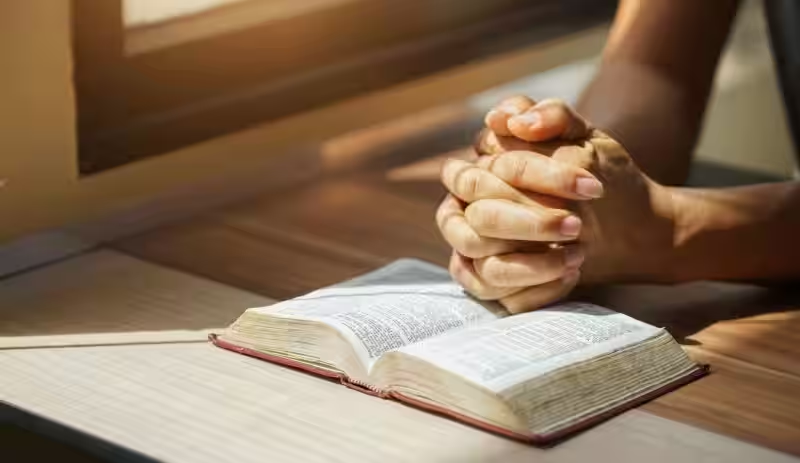
We all face moments of vulnerability, when illness casts a shadow over our lives and those we love. In times of suffering, the desire for solace and hope often leads us to seek comfort in various sources, including prayer. "Oracion para enfermo" (prayer for the ill) is a powerful tool for many, offering a sense of connection to something larger than ourselves and a pathway to navigating the challenges of illness. This article explores the multifaceted role of prayer in the healing process, examining it through a psychological lens.
The act of prayer, regardless of the specific religious or spiritual framework, can profoundly impact our emotional well-being during times of illness. Prayer can offer a framework for coping with uncertainty and fear, fostering a sense of control and purpose in a situation that feels out of our hands. It can provide emotional support, allowing individuals to connect with their faith community or personal spirituality. For example, someone facing a serious illness may find comfort in reciting a familiar prayer, or engaging in a meditative practice alongside their medical treatment.
The Psychological Benefits of Prayer for the Ill
Prayer can be a powerful tool in managing stress and anxiety associated with illness. The act of focusing on a higher power, or a personal belief system, can shift the focus from overwhelming fears to a sense of peace and calm. This can be particularly important for individuals experiencing pain or discomfort. Furthermore, prayer often involves a sense of community and support. Sharing prayers with loved ones or a religious community can provide crucial social support, combating feelings of isolation that can accompany illness.
Research suggests prayer can positively influence physiological processes such as blood pressure and immune function. While the exact mechanisms are not fully understood, the act of prayer can promote relaxation and reduce stress hormones. This, in turn, can contribute to a more positive and supportive environment, making it easier to cope with the physical and emotional challenges of illness. It's important to remember that prayer is not a replacement for medical treatment, but it can complement it, offering emotional and spiritual support.
Understanding the Role of Faith in Healing
Faith and belief systems play a crucial role in the overall experience of illness. Individuals with a strong faith often find solace and hope in their belief in a higher power, or a divine plan. Prayer can provide a framework for understanding illness, offering a sense of purpose and meaning. This can be especially important when faced with a diagnosis that feels overwhelming or incomprehensible. For example, a person facing a life-altering illness might draw strength from their belief that everything happens for a reason, or from a firm belief in a higher power's plan.
The concept of "Oracion para enfermo" transcends cultural and religious boundaries, existing in various forms across different traditions. While specific rituals and prayers may vary, the underlying psychological benefits often remain consistent. The act of prayer can foster a sense of hope and optimism, promoting a positive outlook that can contribute to a stronger overall recovery. Moreover, prayer can strengthen connections with loved ones, fostering a supportive network that can help navigate the challenges of illness.
Practical Applications and Considerations
Integrating prayer into the healing process can be a deeply personal journey. It is important to be mindful of individual needs and preferences. Acknowledging that prayer is a deeply personal practice and expressing gratitude for blessings big and small is essential. Prayer can take many forms, from formal, structured prayers to more informal, personal reflections or meditative practices. It can be a powerful tool not only for individuals but also for their families and communities.
It's crucial to remember that the psychological benefits of prayer are not a substitute for professional medical care. While prayer can offer comfort, support, and hope, it is essential to seek medical attention and adhere to a treatment plan recommended by healthcare professionals. "Oracion para enfermo" should be seen as a complementary approach to healing, rather than a replacement for established medical practices. This is especially true in situations where the illness is complex or severe. Proper medical care combined with the supportive and hopeful environment of prayer often leads to the best possible outcomes.
Frequently Asked Questions: Oración para Enfermo
¿Qué tipo de oraciones son más efectivas para un enfermo?
Oraciones sinceras y llenas de fe, que expresen amor, esperanza y confianza en la sanación, son las más efectivas. No existe una oración mágica, la efectividad reside en la fe y la intención de quien ora.
¿Puedo pedirle a Dios la sanación de un enfermo específico?
Sí, puedes dirigir tu oración a Dios pidiendo por la salud y bienestar de una persona en específico, nombrándola y expresando tus deseos por su recuperación.
¿Es importante rezar en voz alta o en silencio?
Tanto la oración en voz alta como en silencio son válidas. Lo importante es la sinceridad y la conexión con tu fe.
¿Qué debo hacer si no veo resultados inmediatos?
La fe requiere paciencia y perseverancia. Continúa orando con fe y confianza, sabiendo que Dios trabaja en sus propios tiempos y maneras.
¿Puedo pedir ayuda a otros para orar por el enfermo?
Sí, la oración colectiva puede ser muy poderosa. Invitar a otros a unirse en oración puede fortalecer la fe y la esperanza.
¿Existen oraciones específicas para la sanación?
Existen muchas oraciones tradicionales y personales que se utilizan para pedir por la sanación. Puedes buscar ejemplos, pero lo más importante es orar desde el corazón.
¿Cómo puedo ayudar al enfermo además de orar?
Además de la oración, puedes ofrecer apoyo práctico como visitas, ayuda con tareas domésticas, o simplemente compañía y escucha activa.
Frequently Asked Questions: Psykologi
¿Qué es la Psicología?
La psicología es la ciencia que estudia la conducta y los procesos mentales.
¿Qué tipos de problemas trata la psicología?
La psicología trata una amplia gama de problemas, incluyendo ansiedad, depresión, trauma, problemas de relación, adicciones y muchos otros.
¿Cómo encuentro a un psicólogo?
Puedes encontrar psicólogos a través de referencias de tu médico, buscando en directorios online, o consultando con tu aseguradora.
¿Es confidencial la información que comparto con mi psicólogo?
Sí, la información compartida con un psicólogo está protegida por la confidencialidad profesional, con algunas excepciones legales.
¿Cuánto cuesta una sesión de psicología?
El costo de una sesión varía dependiendo del psicólogo, la ubicación y el tipo de seguro.
¿Qué tipo de terapia es la adecuada para mí?
El tipo de terapia más adecuada dependerá de tus necesidades y preferencias individuales. Un psicólogo puede ayudarte a determinar la mejor opción.
¿Es la psicología solo para personas con problemas mentales graves?
No, la psicología puede ayudar a personas de todos los ámbitos de la vida a mejorar su bienestar y calidad de vida, incluso sin diagnósticos formales.