
Unlocking the Power of Psalms 100: A Journey of Faith and Gratitude
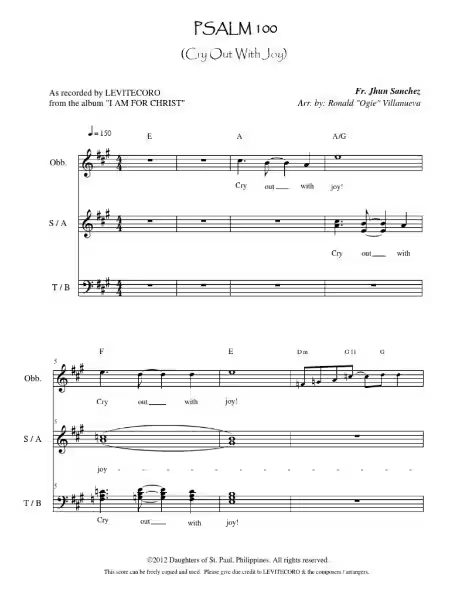
The Book of Psalms, a collection of poetic expressions of faith, offers a profound window into the human heart. Each psalm, a miniature masterpiece of human emotion, connects us to the divine through a tapestry of joy, sorrow, praise, and lament. Psalm 100, in particular, stands out as a hymn of celebration and gratitude, a powerful invitation to worship and rejoice in God's presence. This psalm, with its simple yet profound message, resonates deeply with believers across generations, offering a powerful framework for cultivating a heart of praise. It's a reminder that even amid life's complexities, we can find unwavering hope and joy in the Lord.
This article delves into the rich tapestry of Psalm 100, exploring its key themes and offering practical applications for our modern lives. We will uncover the subtle nuances within the text, learning how the psalm's message can be translated into tangible actions and thought patterns. This exploration is not just about understanding the biblical text; it's about discovering how these ancient words can guide us towards a deeper connection with our faith and a more fulfilling life. We will examine the psychological principles embedded within this psalm, exploring how an attitude of gratitude – as advocated in Psalm 100 – impacts our well-being and overall sense of happiness. Think of Psalm 100 as a roadmap for cultivating a heart of gratitude. It's a call to replace apathy with active appreciation in each aspect of our lives.
Understanding the Heart of Psalm 100: A Celebration of God's Reign
Psalm 100, a psalm of praise and adoration, speaks directly to the heart's response to a loving and powerful God. It emphasizes the importance of approaching God with reverence and joy. The psalm's opening lines immediately set the tone: "Make a joyful noise to the Lord, all the earth!" This isn't just a passive exhortation; it's an invitation to actively engage with the divine through worship, expressed through song and dance. This is a call to celebrate the beauty and majesty of God's creation. Think of it like a family reunion; the focus isn't just on family members but also on the bond that unites them.
The psalm's message resonates with the human experience. Imagine times you've felt overwhelmed or hopeless; Psalm 100 offers a powerful antidote to these feelings. It encourages us to recognize and acknowledge God's dominion and sovereignty. When we feel lost or confused, Psalm 100 reminds us that God is in control. The psalm essentially asserts that God is not distant, but an active participant in our lives. This understanding cultivates trust and confidence. Imagine the sense of security that comes from knowing you're not alone and supported. This is the essence of Psalm 100.
A Psychological Perspective: Gratitude and Well-being
The psychological benefits of cultivating gratitude are substantial. Research consistently demonstrates a link between gratitude and psychological well-being. A central theme in Psalm 100 is the power of gratitude. Acknowledging God's blessings fosters a sense of contentment and appreciation for what we have. This, in turn, reduces stress and anxiety, enhancing our overall mental health. Appreciating the good things in our lives is a key to happiness. For instance, taking a moment to reflect on a meal you enjoyed, or a conversation that made you feel good, can significantly improve your mood.
Psalm 100 offers a powerful framework for integrating gratitude into our daily lives. It encourages us to shift our focus from anxieties to appreciation. A gratitude journal can be a great tool, recording specific things you are grateful for each day. This practice isn't just about material possessions; it's about appreciating the small moments, the relationships, and the opportunities that make up our lives. Gratitude expands our capacity for joy and strengthens our resilience in the face of adversity. Consider Psalm 100 as a guide for cultivating a daily practice of gratitude, offering a profound shift in perspective and mindset.
Practical Applications: Turning Psalm 100 into Action
Psalm 100's message extends beyond intellectual understanding. It encourages us to apply its principles in our daily lives. One powerful way is through intentional acts of worship and prayer. This might involve singing hymns, reflecting on scriptures, or engaging in contemplative prayer. Each one of these actions can be a way of expressing our gratitude to God and celebrating His presence in our lives. Finding moments in your day to express gratitude can be as simple as expressing appreciation to a coworker or telling a loved one how much you value their friendship.
Another aspect of applying Psalm 100 is through acts of service and kindness. Feeling thankful for God's blessings can inspire us to share those blessings with others. Volunteering time, donating to causes, or simply offering a helping hand to someone in need can all be expressions of the gratitude we feel for God's gifts. Think of acts of service as a way to actively express your gratitude for God's goodness. Such actions reinforce the message of Psalm 100: gratitude is not simply a state of mind but a dynamic force for good in the world around us.
Conclusion: Embracing Psalm 100's Enduring Wisdom
Psalm 100 is more than just a poem; it's a call to action. It invites us to cultivate a deeper relationship with God through gratitude, praise, and service. This beautiful psalm provides a powerful framework for navigating life's challenges with hope and joy. By embracing its teachings, we can cultivate a more positive outlook, fostering a heart of gratitude and appreciation for the good in our lives. Ultimately, the resonance of Psalm 100 lies in its timeless wisdom: gratitude is the cornerstone of a fulfilling life, both spiritually and psychologically.
Adopting a mindset of gratitude, as exemplified in Psalm 100, can lead to significant improvements in our well-being. It's a call to action, urging us to embrace the joy and opportunity embedded in acknowledging God's presence in our daily lives. This psalm reminds us that a life of faith, gratitude, and appreciation is not only possible but profoundly enriching.
Frequently Asked Questions: 100 Psalm Commentary
What is the purpose of this 100 Psalm commentary?
To provide in-depth analysis and interpretation of the 100 Psalms, exploring their historical context, literary features, theological significance, and practical application.
Who is the intended audience for this commentary?
This commentary is designed for a broad audience, including students, pastors, scholars, and anyone interested in a deeper understanding of the Psalms.
What approach is taken in this commentary?
The commentary employs a balanced approach, combining historical-critical scholarship with theological reflection, offering insights from various perspectives while remaining faithful to the text.
What kind of insights can I expect to find in this commentary?
The commentary delves into the meaning and significance of individual psalms, exploring their themes, imagery, and literary devices, and highlighting their relevance to contemporary life. It also explores the interconnections between the psalms and their implications for faith and practice.
How is the commentary structured?
Each psalm receives its own dedicated section, including an introduction, verse-by-verse commentary, thematic reflections, and concluding thoughts. The structure allows for comprehensive study of each individual psalm.
Are there any specific tools or resources used in preparing this commentary?
The commentary utilizes a wide range of scholarly resources, including biblical commentaries, theological works, and historical studies, ensuring a robust and well-informed understanding of each psalm.
How does the commentary address the psychological aspects of the Psalms?
The commentary recognizes and addresses the emotional depth and psychological complexity of the Psalms, acknowledging the range of human experience reflected in these ancient texts. It explores the various emotions expressed, such as joy, sorrow, anger, and trust in God. A separate section explores the intersection of the Psalms' themes and concepts with psychological insights (Psykologi).
What is the Psykologi section about?
The Psykologi section offers further exploration into the psychological dimensions of the Psalms, drawing upon psychological principles and theories to illuminate the emotional landscape of the biblical text and its relevance to human experience. This section provides a bridge between the theological interpretation and the psychological insights found within the psalms. It aims to deepen the understanding of the human condition revealed within the Psalms and enhance their practical application in personal and communal life.