
Ayuno de Daniel: A Psychological Exploration of Self-Discipline
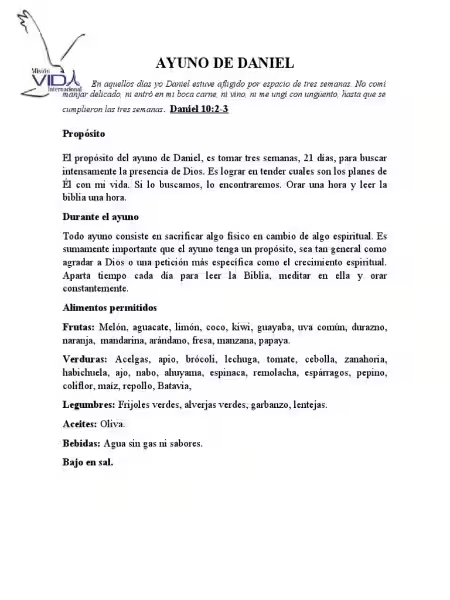
The concept of "Ayuno de Daniel," a practice deeply rooted in religious tradition, often translates to Daniel's fast in contemporary usage. This period of voluntary abstinence from food and drink, beyond its religious context, can be examined through a psychological lens. Exploring the motivations, strategies, and potential impacts of this chosen deprivation illuminates the fascinating interplay between spirituality and self-control.
Understanding the psychological drivers behind this form of self-discipline is crucial. Many individuals engaging in "Ayuno de Daniel" experience a profound desire for spiritual purification, intensifying their connection with their faith, or seeking inner peace. These motivations are often intertwined with a need for self-reflection and a desire to focus their energies on a higher purpose. This isn't merely about physical deprivation; it’s a journey into the depths of one's self.
The Psychology of Self-Control During Ayuno de Daniel
Self-regulation plays a critical role during "Ayuno de Daniel." Maintaining discipline amidst the physical discomfort and cravings requires significant mental fortitude. This process often involves cognitive restructuring, where individuals shift their focus away from the sensation of hunger and towards their spiritual goals. A key component is setting clear expectations and goals; without a structured approach, the fast can become more of a trial than a transformation. For example, a clear intention to meditate more deeply during the "Ayuno de Daniel" period might help focus the mind.
Harnessing the power of positive self-talk and visualization is often a beneficial strategy. Imagine a runner visualizing the finish line to maintain motivation. Similarly, during "Ayuno de Daniel," envisioning the positive outcomes—like increased clarity or spiritual growth—can be incredibly motivating. We can better manage the internal struggles by understanding the power of the mind and its ability to direct our efforts. Furthermore, developing a support system can add an extra layer of motivation. Sharing this journey with friends or family members can provide encouragement and accountability.
Potential Benefits and Drawbacks of Ayuno de Daniel
The potential benefits of "Ayuno de Daniel" are far-reaching. Individuals often report increased self-awareness, heightened focus, and a deeper connection to their values. Improved cognitive function and a sense of spiritual renewal are also commonly reported. Moreover, the discipline acquired during such a period can translate into stronger self-control in other areas of life.
However, it's essential to acknowledge the potential drawbacks as well. Insufficient planning can lead to feelings of inadequacy or failure. Dehydration and nutritional deficiencies can arise if not managed carefully. It's crucial to consult with a healthcare professional before undertaking any prolonged fast, especially if there are underlying health conditions. The fast should never jeopardize physical health. Listen to your body and be prepared to adjust the duration or intensity of the fast if needed.
Practical Strategies for a Successful Ayuno de Daniel
To maximize the potential benefits of "Ayuno de Daniel," consider these practical strategies:
- Gradual Approach: Start with shorter fasts and gradually increase the duration.
- Hydration: Prioritize water intake to mitigate potential dehydration.
- Balanced Approach: Consider incorporating herbal teas or light broth.
- Mental Preparation: Develop a strategy for managing cravings and distractions.
These tips can elevate the experience from a trial to a deeply meaningful journey.
Remember, the success of "Ayuno de Daniel" is deeply personal. A key element of this process is self-awareness and adjusting the approach according to individual needs. By thoughtfully considering the psychological and physiological aspects of the fast, individuals can gain a profound understanding of themselves and their relationship with their spirituality, while avoiding potential health risks. The journey is as much about understanding the mind as it is about observing the body.
Frequently Asked Questions: Ayuno de Daniel
¿Qué es el Ayuno de Daniel?
El Ayuno de Daniel es un período de oración y ayuno que se centra en la abstinencia de carne y alimentos poco saludables, enfocándose en el consumo de frutas, verduras y agua. Se realiza con el objetivo de buscar una conexión espiritual más profunda y fomentar la salud física.
¿Cuánto dura el Ayuno de Daniel?
La duración del Ayuno de Daniel varía, pero comúnmente se realiza durante 21 días. Algunas personas lo adaptan a sus necesidades y circunstancias personales.
¿Cuáles son los beneficios espirituales del Ayuno de Daniel?
Se cree que el Ayuno de Daniel permite una mayor cercanía a Dios a través de la oración y la renuncia. Facilita la reflexión, la introspección y una mayor sensibilidad espiritual.
¿Cuáles son los beneficios físicos del Ayuno de Daniel?
El Ayuno de Daniel puede contribuir a una mejora en la salud física debido al consumo de alimentos saludables y la eliminación de la carne y alimentos procesados. Puede promover la pérdida de peso, mejorar la digestión y aumentar los niveles de energía.
¿Existen riesgos asociados con el Ayuno de Daniel?
Como cualquier tipo de ayuno, el Ayuno de Daniel puede conllevar ciertos riesgos, especialmente si se tiene alguna condición médica preexistente. Consultar a un médico antes de comenzar este tipo de ayuno es fundamental. La deshidratación y las deficiencias nutricionales son posibles riesgos si no se realiza correctamente.
¿Qué debo hacer si experimento efectos secundarios durante el Ayuno de Daniel?
Si experimentas efectos secundarios como mareos, debilidad o dolores de cabeza, debes detener el ayuno inmediatamente y consultar a un médico. Es importante escuchar a tu cuerpo y ajustar el ayuno según tus necesidades.
¿Puedo adaptar el Ayuno de Daniel a mis necesidades?
Sí, el Ayuno de Daniel puede ser adaptado a las necesidades y circunstancias individuales, siempre y cuando se mantenga el enfoque en la oración, la abstinencia de carne y alimentos poco saludables y el consumo de alimentos saludables como frutas y verduras. Es recomendable consultar con un profesional de la salud.
¿Es el Ayuno de Daniel adecuado para todos?
No, el Ayuno de Daniel no es adecuado para todas las personas. Las personas con ciertas condiciones médicas, mujeres embarazadas o en periodo de lactancia, niños y adolescentes, deben consultar con un médico antes de comenzar este tipo de ayuno.