
The Powerful Path of Forgiveness: Stories of Healing and Growth
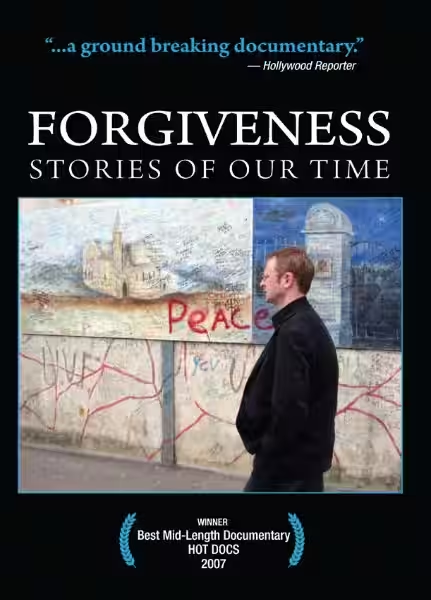
Forgiveness is a complex and deeply personal journey. It's not about condoning harmful actions, but rather about releasing the grip of resentment and anger that can poison our lives. Healing often begins with acknowledging the pain caused by wrongdoings, both big and small. This process allows us to move forward and reclaim our emotional well-being. Self-compassion is crucial in this journey.
Imagine a scenario where a close friend betrays your trust. The initial reaction might be anger, hurt, and a desire for revenge. However, choosing forgiveness, even if it feels difficult, can lead to a healthier relationship and a happier life. This doesn't mean forgetting what happened, but rather accepting it as part of your past and moving forward with compassion.
Understanding the Psychology of Forgiveness
Forgiveness is a multifaceted process rooted in various psychological principles. It's not an instantaneous act but a conscious decision to let go of negative emotions. Factors like attachment styles, personality traits, and past experiences influence our approach to forgiveness. Understanding these factors can help us navigate the process more effectively.
For example, individuals who have experienced trauma may find forgiveness particularly challenging. Therapy, support groups, and self-reflection can be valuable tools in overcoming these challenges. It's essential to acknowledge the complexities and to allow yourself time and space to heal. A crucial step is also the acceptance of the situation and acknowledging the hurt inflicted.
Forgiveness Stories: Real-Life Examples
One powerful example of forgiveness is a story of a woman who was deeply hurt by a family member's hurtful words. Initially, she felt trapped in anger and resentment. Through therapy, she learned to understand the root causes of her family member's actions and to practice compassion. This journey of self-discovery helped her let go of the pain and embrace a more peaceful existence. This demonstrates the power of introspection and emotional processing in the healing process. This process isn't about forgetting, but about reframing the situation in a way that allows for peace.
Another example highlights the importance of empathy in the forgiveness journey. A man who had been wronged by a business partner initially felt justified in holding onto his anger. However, through introspection and therapy, he began to understand the pressures and circumstances that contributed to the partner's actions. This understanding fostered empathy, facilitating a path toward forgiveness. This example suggests that deep understanding of the other person's situation is key to forgiveness, even if that understanding is difficult to achieve.
Overcoming Barriers to Forgiveness
Fear of vulnerability is a common barrier to forgiveness. Forgiving someone can feel like opening yourself up to further pain and hurt. However, recognizing that true strength lies in our ability to overcome challenges is essential. It's important to understand that forgiveness is not weakness but a sign of strength, emotional resilience, and self-respect.
Other obstacles can include difficulty empathizing, unresolved grief, and past trauma. Building a support network of friends, family, or therapists can provide crucial emotional assistance. Professional guidance can offer valuable perspectives and strategies for navigating emotional challenges, and ultimately foster forgiveness. A guided mindfulness practice can help with emotional regulation. Seeking counselling is a sign of strength, not weakness. A great support network is also helpful.
The Benefits of Forgiveness
Forgiveness isn't just about the other person; it's profoundly beneficial for the forgiver. It fosters a sense of inner peace and reduces stress. Improved mental health and emotional well-being are significant outcomes, along with an overall increase in life satisfaction. By releasing the grip of anger and resentment, we free ourselves to focus on our own happiness and move forward with our lives.
Reduced stress, improved relationships, and greater self-acceptance are clear benefits. Forgiveness isn't about condoning actions, but about releasing the negative emotions they evoke. Increased self-acceptance is a significant byproduct of the process. These benefits can be particularly important for maintaining and building healthy relationships. It also leads to better decision-making by removing the emotional blockages stemming from past hurts.
Frequently Asked Questions: Forgiveness Stories
What is a forgiveness story?
A forgiveness story is a narrative that explores the process of letting go of resentment, anger, or hurt towards oneself or another person. These stories can be fictional or based on real-life experiences and often highlight the emotional, psychological, and spiritual journey involved in forgiveness.
Why are forgiveness stories important?
Forgiveness stories offer valuable insights into the complexities of human relationships and emotional healing. They can help individuals understand that forgiveness is a process, not a single event, and that it's possible to move forward after experiencing hurt or betrayal. They provide hope and inspiration, demonstrating that healing and reconciliation are attainable.
How can forgiveness stories help with personal growth?
Reading or hearing forgiveness stories can promote empathy and self-awareness. They can help individuals identify their own emotional responses to conflict and learn healthier coping mechanisms for dealing with difficult emotions. These stories can also inspire reflection on one's own past experiences and encourage a more compassionate approach to oneself and others.
Are forgiveness stories only about religious or spiritual beliefs?
No, forgiveness stories aren't limited to religious or spiritual contexts. While some may incorporate spiritual themes, many focus on the psychological and emotional aspects of forgiveness, exploring the human experience of hurt, anger, and reconciliation regardless of religious affiliation.
Where can I find forgiveness stories?
Forgiveness stories can be found in various forms of media, including books, films, podcasts, and personal accounts shared online or in support groups. Many websites and libraries offer resources dedicated to personal growth and emotional healing, which often include such narratives.
What if I don't feel ready to forgive?
Forgiveness is a personal journey, and there's no right or wrong timeline. Forgiveness stories can be helpful even if you're not ready to forgive yet, as they can offer a sense of understanding and hope for the future. It's important to be patient with yourself and allow yourself time to process your emotions.