
Crafting a Powerful Sermon: A Biblical Outline for Preaching
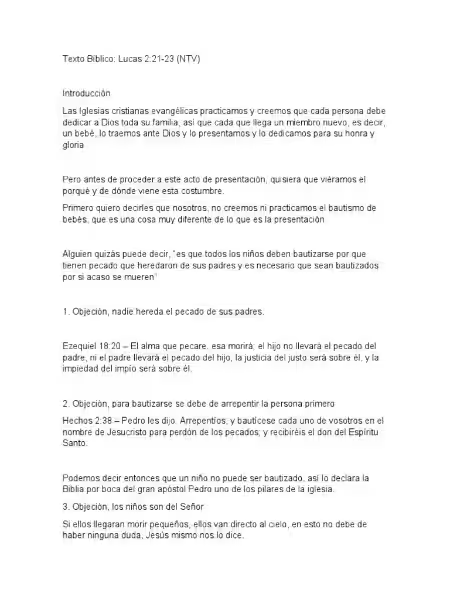
Preaching is more than just reciting verses; it's about connecting with your audience on a deeply personal level. A well-structured bosquejo biblico para predicar acts as a roadmap, ensuring your message is clear, compelling, and impactful. This outline isn't just about organizing scriptures; it's about understanding their application in today's world. By carefully considering the context and underlying themes of the text, you can create a powerful message that resonates with listeners. Effective preaching involves a conscious effort to translate ancient narratives into contemporary relevance.
The key to an engaging sermon lies in understanding your audience. Consider their backgrounds and motivations. Are they seeking comfort, guidance, or inspiration? Knowing your listeners' needs allows you to tailor your message with empathy. For instance, if your congregation is facing financial hardship, a sermon focused on generosity and faith could be particularly impactful. A strong sermon outline should guide you in thoughtfully addressing these needs, making the message relevant and relatable.
Understanding the Foundation of a Biblical Outline
A bosquejo biblico para predicar isn't simply a collection of Bible verses. It's a carefully crafted structure that allows the themes to emerge naturally. This involves identifying the central theme within the biblical passage and then outlining supporting points. It's crucial to recognize that the central theme often isn't explicitly stated but needs to be derived from the text through careful analysis. Consider the numerous ways you can use the verses to establish a clear understanding of the author's intent. This process involves several key steps: careful reading, identifying key words and phrases, and establishing the context within all related passages.
Think of it like building a house. The outline provides the foundation – the supporting pillars, walls, and roof structure. Without a solid foundation, the house will eventually collapse. Similarly, a poorly constructed bosquejo biblico para predicar will result in a disjointed or ineffective sermon. Each point should logically flow into the next, building a compelling argument and encouraging thoughtful reflection.
Developing a Compelling Narrative Through Scriptural Interpretation
Effective preaching goes beyond simply reciting verses; it requires a thoughtful interpretation to connect with the audience. This involves understanding the historical context, the author's intent, and the relevant cultural nuances. A thorough understanding of these factors allows you to translate the message into a language that resonates with modern listeners. Paraphrasing verses, explaining their meaning in contemporary terms, and providing relatable examples are crucial steps in this process. For example, if discussing forgiveness, illustrating it through a modern-day scenario or personal anecdote can bring the concept to life.
Connecting the scripture to everyday life is important. By finding relatable examples and applying biblical principles to current issues, your listeners can grasp the practical application of the message. This is where the bosquejo biblico para predicar plays a crucial role. It guides you in selecting appropriate illustrations and examples that highlight the timeless relevance of the scripture. Consider these elements: modern parallels, personal stories, and practical applications for a sermon that resonates.
Key Elements of an Engaging Biblical Outline
A strong bosquejo biblico para predicar incorporates several crucial elements. These include a clear introduction, a compelling narrative of the text, and a meaningful conclusion that leaves a lasting impression. A compelling introduction is vital in grabbing the audience's attention and setting the tone. It should clearly state the theme of the sermon and provide context. Strong supporting evidence from the Bible, presented logically, is crucial for building a persuasive argument. And, finally, a clear conclusion summarizes the key points, leaving a lasting impression and inspiring action.
Key Components of a well-structured bosquejo biblico para predicar often include:
- Introduction: Setting the stage and introducing the theme.
- Supporting points: Detailed analysis of scriptural elements.
- Relatable examples: Connecting the message to everyday life.
- Call to action: Encouraging listeners to apply the message.
- Conclusion: Summarizing and leaving a lasting impact.
Remember, crafting a successful bosquejo biblico para predicar demands active listening, meticulous preparation, and a genuine desire to connect with your audience.
Preguntas Frecuentes: Bosquejo Bíblico para Predicar y Psicología
¿Qué es un bosquejo bíblico para predicar?
Un bosquejo bíblico para predicar es una estructura organizada que guía la preparación y presentación de un sermón. Incluye introducción, puntos principales con subpuntos, y conclusión, todos basados en un pasaje bíblico específico.
¿Cómo puedo crear un bosquejo bíblico efectivo?
Para crear un bosquejo efectivo, primero elige un pasaje bíblico, identifica el tema central, desarrolla puntos principales que apoyen ese tema, busca versículos de apoyo para cada punto, y escribe una introducción y conclusión convincentes. Considera el contexto histórico y cultural del pasaje.
¿Qué recursos puedo usar para crear un bosquejo bíblico?
Puedes usar comentarios bíblicos, diccionarios bíblicos, concordancias, y software de estudio bíblico. También son útiles las obras de teología sistemática y homilética.
¿Cómo puedo aplicar la psicología a la predicación?
La psicología puede ayudarte a comprender mejor a tu audiencia, a conectar con ellos emocionalmente, y a presentar el mensaje de una manera más efectiva. Considera la psicología del aprendizaje, la motivación, y la persuasión.
¿Qué aspectos de la psicología son relevantes para la predicación?
Aspectos como la comunicación efectiva, la empatía, el manejo de emociones, la persuasión, y la comprensión de las necesidades y motivaciones de la audiencia son relevantes. La psicología cognitiva también puede ayudar a estructurar el mensaje para una mejor comprensión.
¿Hay algún riesgo al aplicar la psicología a la predicación?
Sí, existe el riesgo de manipulación si la psicología se aplica de manera poco ética. Es importante usar la psicología para servir y no para controlar a la audiencia. La verdad bíblica debe ser el centro, no las técnicas psicológicas.
¿Dónde puedo encontrar más información sobre la predicación y la psicología?
Busca libros y artículos sobre homilética, comunicación efectiva, y la aplicación de la psicología al ministerio. Existen también recursos online y cursos que abordan este tema.