
Unveiling the 14 Stations of the Via Crucis: A Journey Through Psychological Reflection
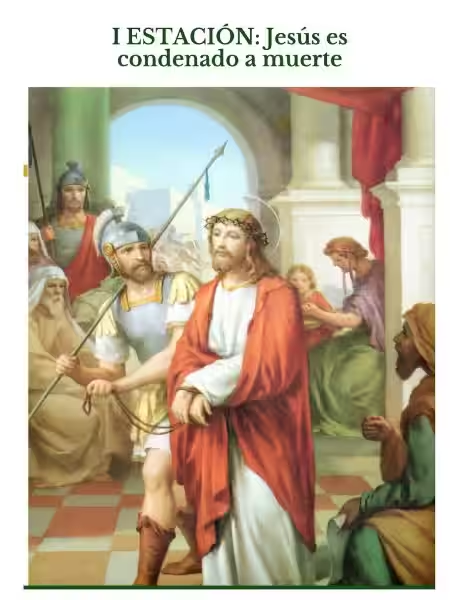
The 14 Stations of the Via Crucis, a deeply symbolic and poignant journey, offer a profound opportunity for introspection and reflection. These stations, depicting key moments in Jesus Christ's final hours, resonate far beyond religious contexts, inviting us to examine our own vulnerabilities, struggles, and resilience. This exploration dives into the psychological dimensions of these stations, highlighting their ability to foster personal growth and understanding.
Often overlooked, the Via Crucis provides a valuable framework for understanding human experience. Each station, representing a specific moment in Christ's passion, evokes a spectrum of emotions – from despair and betrayal to forgiveness and acceptance. This journey through the 14 Stations serves as a mirror, prompting us to examine our own responses to adversity and the choices we make in times of hardship. Consider the first station, the "Annunciation of the Condemnation," and how it might relate to our own experiences of receiving unwelcome news or facing a challenge.
Understanding the Psychological Significance of Each Station
Each of the 14 Stations of the Via Crucis delves into a specific psychological theme. For instance, the "Meeting of Jesus with his Mother" (Station 7) elicits powerful emotions, providing a glimpse into the profound pain and suffering of loss and grief. How do we cope with such profound emotional anguish? This reflective journey allows us to explore these complex emotions through the lens of empathy and compassion. The stations, like "Jesus Falls the Third Time" (Station 10), can demonstrate the impact of sustained adversity and the struggle for perseverance.
The "Crucifixion" (Station 14) signifies the ultimate sacrifice. This profound act, deeply embedded in Christian theology, triggers questions about acceptance, and the ability to embrace suffering. Examining this station can help us understand the concept of resilience and the psychological fortitude necessary to navigate difficult times. For example, the 14 Stations can help us understand the emotional toll of conflict and the importance of forgiveness, as illustrated by "The Descent from the Cross."
The Via Crucis as a Tool for Self-Discovery
The 14 Stations of the Via Crucis provide a roadmap for self-discovery. Each station, with its unique narrative, connects with personal struggles and internal conflicts. For instance, the "Disciples' Flight" (Station 12) can prompt us to consider issues of abandonment and isolation. The "Procession to Calvary" (Station 11) illustrates the weight of responsibility and the impact of others' actions on our journey. Furthermore, the "Jesus is stripped of his garments" (Station 13), demonstrates the vulnerability and dehumanization that can accompany suffering. By exploring these stations, we can gain insights into our own emotional landscapes.
We can use the Via Crucis as a tool to analyze our own emotional responses in a difficult moment. Consider the "Jesus is scourged" (Station 3). This can lead to reflection on the psychological impact of abuse, pain, and resilience. Similarly, the "Jesus is condemned to death" (Station 2) and "Jesus is mocked" (Station 5) can help us understand the effects of judgment and ridicule, fostering an understanding of the importance of empathy and compassion in our interactions with others. The "Jesus carries his cross" (Station 6) emphasizes the struggle of carrying heavy burdens, while the "Veronica wipes the face of Jesus" (Station 8) can be related to acts of kindness and compassion during suffering.
Applying the Lessons of the Via Crucis to Daily Life
The 14 Stations of the Via Crucis offer valuable lessons applicable to our daily lives. For example, the "Jesus prays in the Garden of Olives" (Station 1) can help us understand the importance of prayer and meditation in stress management. The "Jesus is given to drink vinegar" (Station 9) can teach us about the importance of patience and perseverance in times of pain and despair. The stations can help us appreciate the struggle and resilience of the human spirit, fostering compassion for others facing similar challenges. These moments of reflection can highlight the importance of self-care and mindfulness in navigating life's trials and tribulations.
Ultimately, the 14 Stations of the Via Crucis are not simply religious exercises, but profound tools for self-reflection and personal growth. By delving into the psychological dimensions of each station, we gain a deeper understanding of human experience and resilience. Exploring the psychological themes related to the "Jesus is nailed to the Cross" (Station 14), or any of the stations, encourages personal growth and understanding. The Via Crucis provides a framework for empathy, compassion, and navigating our own struggles. In this reflective journey, we find a pathway toward greater understanding of ourselves and the world around us.
Frequently Asked Questions: 14 Estaciones del Viacrucis & Psicología
¿Qué son las 14 estaciones del Viacrucis?
Las catorce estaciones del Viacrucis representan momentos clave en la pasión y muerte de Jesucristo, desde su condena hasta su sepultura. Se utilizan como herramienta de meditación y oración.
¿Cómo se relaciona el Viacrucis con la psicología?
El Viacrucis puede ser utilizado como herramienta terapéutica para la reflexión sobre el sufrimiento, la pérdida, el perdón y la redención. La meditación en cada estación puede facilitar la introspección y el procesamiento emocional.
¿Puede el Viacrucis ayudar en el tratamiento de la depresión o la ansiedad?
Algunos estudios sugieren que la práctica meditativa del Viacrucis, al fomentar la reflexión y la conexión espiritual, puede ser beneficiosa para personas que experimentan depresión o ansiedad, pero no es un sustituto de la terapia profesional.
¿Es necesario ser religioso para beneficiarse del Viacrucis?
No. La reflexión sobre los temas de sufrimiento, pérdida y redención presentes en el Viacrucis puede ser beneficiosa para cualquier persona, independientemente de sus creencias religiosas. Se puede enfocar como una meditación sobre la experiencia humana.
¿Cómo puedo utilizar el Viacrucis como herramienta de auto-reflexión?
Medita en cada estación, considerando los sentimientos y emociones que te evoca. Reflexiona sobre cómo las situaciones representadas en cada estación se relacionan con tu propia vida y tus desafíos personales. Permite que la meditación te guíe hacia la introspección y la comprensión.
¿Existen recursos para guiar la meditación en las 14 estaciones?
Existen numerosos libros, guías y recursos online que ofrecen meditaciones guiadas y reflexiones sobre cada una de las 14 estaciones del Viacrucis. Busca aquellos que se ajusten a tus necesidades y preferencias.