Unveiling the Secrets Within: Understanding the "Libro de Brujería" Through a Psychological Lens
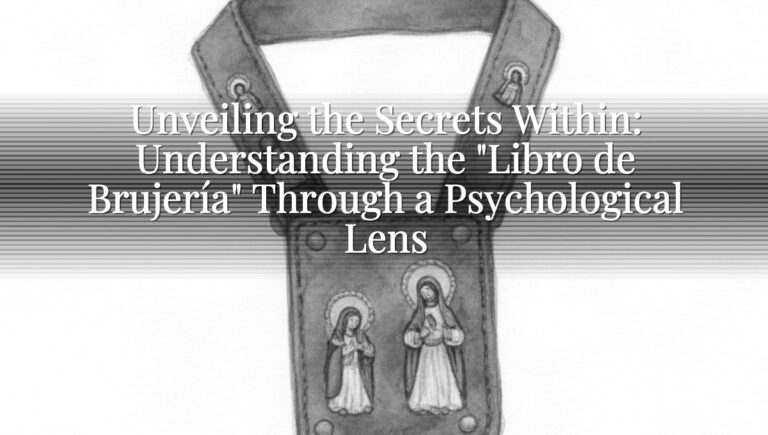

The concept of a "libro de brujería" – a book of witchcraft – often conjures images of hidden rituals and potent spells. But delving into its psychological implications reveals a fascinating interplay of human desires, fears, and the search for control. We often misunderstand the allure of such texts; it's not about the magic itself, but the psychological needs they tap into. Understanding this allows us to approach these texts with a more nuanced perspective, moving beyond superstition and embracing a deeper understanding of the human condition.
This article delves into the psychological underpinnings of the "libro de brujería," exploring how these texts resonate with our innate desires, and the power of narrative and symbolism in shaping our understanding of the world. We will examine how they often act as a mirror reflecting our inner conflicts and aspirations. For example, a book promising wealth might appeal to someone struggling with financial insecurity, while one detailing love spells might resonate with someone seeking emotional connection.
Exploring the Manifestations of Power and Control in the "Libro de Brujería"
The desire for power and control is a fundamental human drive. The "libro de brujería" often presents itself as a tool to achieve this, offering a perceived pathway to manipulate the world around us. This desire can stem from a need to feel secure, to overcome perceived limitations, or to simply experience a sense of agency. Examples include spells promising good luck, or those intended to influence romantic relationships. These texts frequently offer a sense of empowerment, which can be a powerful tool for those struggling with feelings of inadequacy. It's not the magic itself, but the perceived ability to affect change that attracts many readers.
Interestingly, the psychological study of magic suggests that the act of believing in and engaging with these kinds of texts can have a positive impact on mental well-being. This is not about believing in literal magic, but rather about embracing the power of narrative and ritual. The act of crafting your own spells, seeking a solution using a "libro de brujería", can be a therapeutic exercise, acting as a form of creative expression and problem-solving. Through this process, individuals might find greater control over their lives and a greater sense of self-efficacy. This is frequently observed in those who embrace spirituality as a means of personal growth.
The Role of Symbolism and Narrative in the "Libro de Brujería"
The "libro de brujería" is often rich in symbolism and narrative. These elements create vivid images and compelling stories, making the texts more engaging and memorable. The symbols used, whether related to nature, deities, or abstract concepts, resonate with our subconscious desires and anxieties. For instance, a particular herb or celestial body might symbolize strength, fertility, or transformation. This symbolic language can be deeply personal and meaningful to the reader, offering a way to connect with a sense of the extraordinary.
Furthermore, the narratives within the "libro de brujería" often explore themes of good versus evil, love and loss, and the clash between human desires and societal norms. These narratives often mirror the struggles and triumphs we experience in our daily lives. Stories of overcoming adversity, for example, can inspire readers and offer a sense of hope. The "libro de brujería" can therefore be seen as a tool for exploring our own internal narratives and finding meaning within them. It is not always about achieving external goals, but about confronting our internal challenges through the lens of these stories.
The "Libro de Brujería" and the Search for Meaning and Connection
Ultimately, the "libro de brujería" can be seen as a reflection of our search for meaning and connection. Individuals turn to these texts seeking answers to profound questions about life, death, and the nature of existence. The texts, with their rituals and spells, might offer a framework for understanding the world and our place within it. For some, the "libro de brujería" is a journey of self-discovery, helping them to understand their own unique path and define their individual identity.
The texts can also provide a sense of community and belonging. Shared experiences with others who are exploring similar interests and beliefs can create a supportive network. The rituals and practices associated with the "libro de brujería" can foster a sense of connection between individuals, bridging cultural and personal divides. This can serve to create a sense of community, regardless of whether the practices are seen as traditional magic or not.
Frequently Asked Questions
¿Qué es un "libro de brujería"?
Un "libro de brujería" puede referirse a una variedad de textos, desde grimorios históricos con instrucciones para rituales y hechizos hasta guías modernas de Wicca, paganismo u otras prácticas mágicas. Su contenido varía ampliamente dependiendo del contexto cultural y la tradición específica.
¿Son peligrosos los libros de brujería?
La peligrosidad de un "libro de brujería" depende completamente del contenido y la intención del lector. Algunos libros ofrecen información histórica o cultural, mientras que otros pueden contener instrucciones para prácticas que podrían considerarse peligrosas si se realizan sin el conocimiento y la precaución adecuados.
¿Dónde puedo encontrar libros de brujería?
Libros de brujería se pueden encontrar en librerías especializadas, tiendas esotéricas, y en línea a través de plataformas de comercio electrónico como Amazon.
¿Qué es la psicología?
La psicología es el estudio científico de la mente y el comportamiento. Se enfoca en comprender los procesos mentales, las emociones, los pensamientos y las acciones humanas.
¿Qué tipos de temas cubre la psicología?
La psicología cubre una amplia gama de temas, incluyendo el desarrollo, la personalidad, la cognición, la emoción, la motivación, la percepción, la socialización, la psicopatología, y las relaciones interpersonales.
¿Cómo puedo aprender más sobre psicología?
Puedes aprender más sobre la psicología a través de cursos universitarios, libros de texto, documentales, y otros recursos educativos. También puedes buscar ayuda de un psicólogo o terapeuta si tienes inquietudes específicas.