
Understanding Psalm 2: A Psychological Journey Through Royal Power and Divine Purpose
Psalm 2, a powerful declaration of faith and a profound exploration of earthly power, resonates deeply with human experience. It delves into the complexities of divine sovereignty versus human ambition, offering a lens through which to examine our own motivations and beliefs. This psalm speaks to the inherent tension between the desire for political stability and personal power, and the ultimate authority of a higher power. We can see this struggle reflected in countless historical and contemporary events, making Psalm 2 a timeless piece of literature.
The psalm's message is not just about ancient kings; it's about the inner conflicts that arise when we grapple with power dynamics in our own lives. Whether it's navigating family relationships, professional hierarchies, or societal structures, the psalm's themes of rebellion, resistance, and ultimately, submission can provide a framework for understanding and confronting these challenges. Understanding Psalm 2 allows us to see our own struggles with authority, whether it's a parent, a boss, or even a personal belief system, in a new light.
The Kings' Rebellion and Divine Response
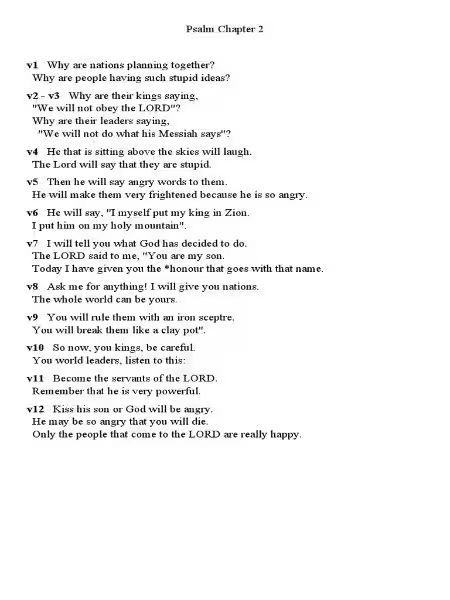
Psalm 2 portrays a scene of royal rebellion against the divine. The kings and rulers are depicted as plotting against God's chosen, the Messiah. This is a potent metaphor for the human tendency to reject the authority of something larger than ourselves – whether it's a spiritual authority or a societal norm. Consider the political uprisings and cultural movements throughout history; many can be interpreted through this lens of defiance against a perceived higher power.
This rebellion, however, is presented not as an isolated event, but as a recurring theme. The psalm's writers recognize that this tension between human ambition and divine purpose plays out repeatedly. This is why it continues to resonate with us today. For example, a teenager challenging parental authority, a worker defying a demanding boss, or even a societal group opposing established norms, all echo the core message of Psalm 2 - resistance to the established order. It reveals an intrinsic human tendency to question and challenge the structures of power around us.
The Humiliation of Human Power
Psalm 2 paints a compelling picture of the ultimate futility of human rebellion. The psalm's message is clear: human attempts to usurp divine power always fail. This idea of divine sovereignty is a crucial component of the psalm. Think about historical figures who rose to power but ultimately faced defeat or demise. Their stories, in a way, illustrate the point of the psalm: worldly power is ephemeral compared to the enduring power of God.
The psalm emphasizes the limitations of human understanding. We often act as if we have the complete picture, that our own plans and desires will ultimately prevail. Psalm 2 reminds us that we are part of a larger narrative, one orchestrated by a power far greater than our own. The psalm suggests that humility and a recognition of a greater purpose are essential components of a meaningful life. Examples include: political revolutions failing, or individuals who try to defy societal norms and face consequences. These situations highlight the often-unseen hand of providence as described in the psalm.
Divine Laughter and a New King Emerges
The psalm's portrayal of God's response is significant. God laughs at the folly of human rebellion. This isn't a judgment of contempt, but rather a statement of divine detachment from the petty struggles of humanity. It suggests a profound, almost amused awareness of human limitations. Imagine a parent observing a child's attempts at independence – a gentle form of amusement and acceptance. This perspective allows us to see the larger context of our actions and the insignificance of our individual struggles within the vastness of existence.
Ultimately, Psalm 2 points towards the emergence of a new king. This king, the Messiah, is not a product of human ambition, but a divine appointment. This idea touches on a core aspect of faith: trusting in a greater plan that often transcends our immediate understanding. This message highlights the importance of looking beyond the present struggles towards a higher purpose. This is relevant to our own lives in many ways. For example, trust in a future career path, faith in a relationship, or the resilience to overcome personal challenges.
Conclusion: A Timeless Message for Modern Times
Psalm 2 is more than just a historical record. It's a psychological exploration of the human condition. It reminds us that we are part of a larger story, one that involves striving for power, experiencing conflict, and ultimately, finding our place within the divine plan. Understanding the psalm's message can help navigate the inherent tensions and struggles of life and help us to find a sense of peace and purpose.
By examining the psalm's themes of rebellion, divine laughter, and the emergence of a new king, we can gain a deeper understanding of ourselves and our place in the world. We can see how Psalm 2 continues to offer guidance and comfort as we navigate the complex terrain of human experience. This timeless message reminds us that even in the face of adversity, there is a greater, guiding power always at work.
Frequently Asked Questions: Psalm 2 Explanation
What is the main theme of Psalm 2?
Psalm 2 celebrates God's sovereignty over the nations and the ultimate triumph of his anointed king (often interpreted as Messiah). It depicts the nations' rebellion against God and his righteous response.
Who is the "king" referred to in Psalm 2?
The identity of the king is a subject of much theological debate. Traditionally, it's understood to be a messianic figure, prefiguring Jesus Christ. Others interpret it as a Davidic king or even a symbolic representation of God's power.
What is the significance of the "nations' rage" described in the Psalm?
The "nations' rage" symbolizes human resistance to God's authority and plan. It highlights the futility of rebellion against a sovereign God.
How does Psalm 2 relate to the New Testament?
The New Testament explicitly cites and interprets Psalm 2, applying its themes to Jesus Christ and his kingship. Acts 4:25-26, for example, quotes Psalm 2 to demonstrate Jesus' rightful place as God's appointed ruler.
What is the meaning of the "rod of iron" mentioned in the Psalm?
The "rod of iron" is a symbol of strong and just rule. It represents the king's power to govern and subdue his enemies, establishing God's righteous reign.
What is the ultimate message of Psalm 2?
The ultimate message is one of hope and assurance. Despite human attempts to oppose God's will, God's sovereignty remains unshaken, and his appointed king will ultimately triumph, establishing a kingdom of justice and peace.