
Simple Bible Stories for Preschoolers: A Guide for Engaging Learning
Introducing young children to the Bible can be a rewarding experience, fostering a love for faith and storytelling. However, complex narratives can overwhelm a preschooler's understanding. This guide presents simple Bible stories tailored to their developmental stage, emphasizing relatable themes and visual aids. The goal is to spark curiosity and instill a basic understanding of core biblical values, rather than deep theological concepts.
Early exposure to biblical stories can cultivate important character qualities in these young learners. Simple narratives, using familiar concepts like friendship, kindness, and forgiveness, offer a foundation for moral growth. These early lessons lay the groundwork for understanding more complex ideas later on. Remember, consistency and repetition are key. By frequently revisiting these stories, you reinforce the message and allow for deeper connection and understanding.
Choosing the Right Stories for Preschoolers
When selecting Bible stories for preschoolers, focus on easily digestible narratives with clear moral lessons. Avoid stories that are overly complex or filled with difficult-to-understand concepts. Look for stories that center around familiar themes like love, forgiveness, and helping others. These include stories of Noah and the Ark, Daniel in the lion's den which can be simplified to focus on bravery and faith, and even the story of David and Goliath, but simplified to emphasize courage and confidence. Also, consider using visual aids like illustrations or puppets to make the story more engaging and interactive for the child.
Keep the language simple. Avoid jargon or abstract ideas. Focus on concrete actions and emotions. Use repetition and storytelling techniques to help children understand the plot's development. When explaining stories, use a playful tone and ask questions to encourage participation. Stories, for example, about the importance of obedience or following instructions, are excellent starting points. Use simple questions like, "What do you think happened next?" or "How would you feel if you were in this situation?" to engage children in a dialogue about the story and its message.
Making the Stories Come Alive
Visual aids are crucial when telling Bible stories to preschoolers. These can include simple drawings, puppets, or even objects that represent the characters or settings in the story. For example, representing the ark with a box or using stuffed animals for characters can help children visualize the story and connect with the characters on a deeper level. Consider using creative drama and acting out parts of the story. Making the story interactive allows children to engage with the material and feel more connected to it.
The use of music and songs can also enhance the learning experience. Singing songs about the stories can help children memorize the narrative and core messages more easily. Repetition is key. Repeat key phrases or actions to reinforce the story and help children internalize the themes and values. Incorporating these elements into the learning process makes the Bible stories more memorable and engaging for preschoolers.
Using Activities to Reinforce Learning
After sharing a simple Bible story, engage preschoolers in hands-on activities to reinforce the concepts. For instance, after the story of the Good Shepherd, you could have children build a miniature sheepfold or create a picture of a shepherd caring for his flock. These activities allow children to actively participate in the learning process and develop a deeper understanding of the story's message. Consider simple crafts, like coloring pictures or making a playdough representation of the story. Focus on activities that relate directly to the story's themes of love, kindness, and compassion.
Relate the stories to their everyday lives. For example, a story about sharing could be linked to sharing toys or snacks with their friends. Explain how the characters' actions in the story demonstrate concepts that are relevant to their own lives. This makes the stories more relevant and applicable to their everyday experiences. This helps them understand the principles on a practical level. This helps translate abstract concepts into relatable realities. For example, a story about forgiveness could be discussed in the context of resolving a conflict with a sibling.
Frequently Asked Questions: Simple Bible Stories for Preschoolers
What are some good, simple Bible stories for preschoolers?
The creation story (Genesis 1-2), Noah's Ark (Genesis 6-9), the Good Samaritan (Luke 10:25-37), and the story of David and Goliath (1 Samuel 17) are all excellent choices. Focus on the main points and use engaging language.
How can I make Bible stories engaging for preschoolers?
Use props, puppets, or even act out the stories yourself. Incorporate songs, actions, and repetition. Keep it short and focused on one main idea. Relate the story to their everyday lives.
How much detail should I include in a Bible story for a preschooler?
Keep it simple! Focus on the main characters, the main events, and the key message. Avoid complex theological concepts.
What are some good resources for finding simple Bible stories for preschoolers?
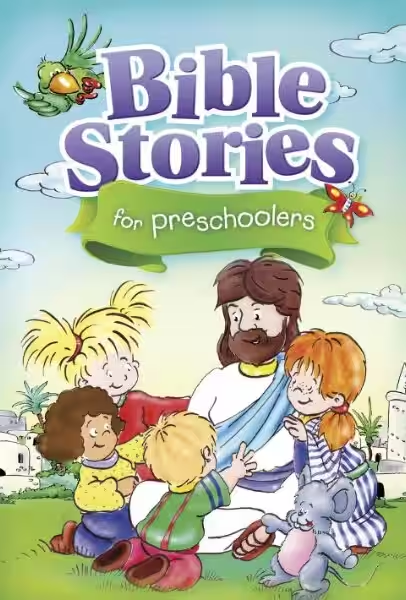
Many children's Bibles are available with simplified text and colorful illustrations. Websites and YouTube channels also offer age-appropriate Bible story videos. Consider storybooks specifically designed for preschoolers.
How can I help preschoolers understand the meaning of a Bible story?
Ask simple questions like "How did the characters feel?" or "What did we learn from this story?" Relate the story's message to their lives and help them apply it to their actions. Use age-appropriate language to explain difficult concepts.