
Unveiling the Psychological Impact of Liturgical Ornaments
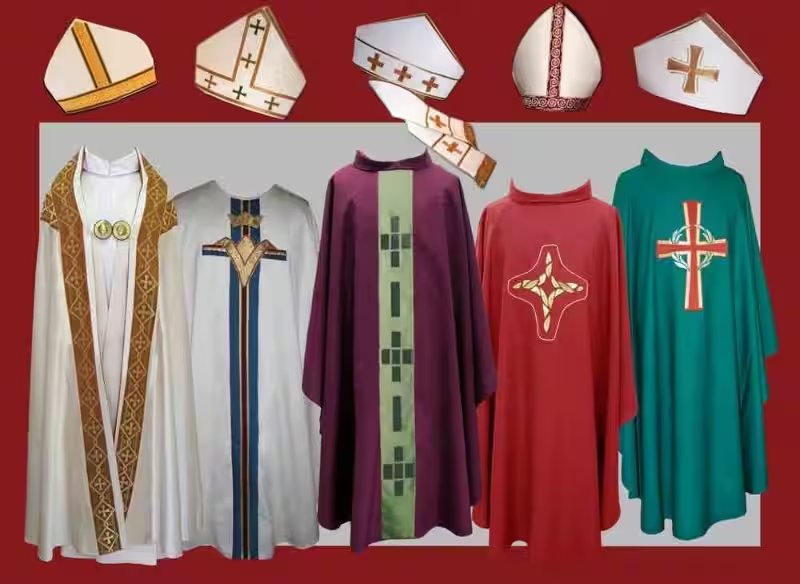
From the intricate carvings of a golden chalice to the rich hues of a liturgical vestment, ornamentos liturgicos play a significant role in religious ceremonies. They are more than just decorative elements; they are potent symbols that evoke a range of emotional responses and inspire a deeper connection with the spiritual realm. Understanding the psychological impact of these ornamentos liturgicos sheds light on their profound influence on individual and collective worship.
These objects, carefully chosen and meticulously crafted, often carry symbolic meaning tied to specific religious beliefs and traditions. For instance, the color of a liturgical garment might signify a particular liturgical season or a specific theological concept. This inherent symbolism contributes to the overall experience, encouraging a deeper engagement with the religious narrative. Ritual and tradition are intertwined, fostering a sense of belonging and continuity within the community. For example, the consistent use of particular liturgical vessels throughout generations helps reinforce the importance of the religious values and practices.
The Role of Aesthetics in Spiritual Connection
The aesthetics of ornamentos liturgicos are central to their psychological effect. Beauty and artistry can evoke feelings of awe and reverence, drawing worshippers into a meditative state. The intricate details, the rich materials, and the harmonious colors all contribute to a serene and uplifting atmosphere. Imagine the visual impact of a magnificent altar adorned with candles and floral arrangements, or the profound sense of solemnity conveyed by a simple, yet elegant, liturgical garment.
The sensory experience plays a crucial role in fostering a profound connection to the divine. The soft touch of silk on the skin or the fragrant scent of incense can create a deeply personal and meaningful connection. These subtle sensory elements complement the visual impact of the ornamentos liturgicos, creating a holistic experience that moves beyond simple decoration. Different sensory experiences, including the sound of chants or music, can also amplify the emotional impact of the ritual.
The Psychology of Symbolism and Meaning
Ornamentos liturgicos are often imbued with deep symbolic meaning, connecting the present moment to a rich history and tradition. For example, a specific liturgical color might represent the joy of Easter or the somber reflection of Lent. These symbols can evoke powerful emotions and associations within the individual worshipper, fostering a deep personal connection. This is where individual faith and the community's tradition meet. People recognize the symbols of faith, and the shared experience of understanding that symbolism strengthens the community bonds. Shared understanding of symbolism allows individuals to better grasp the rituals and deepen their involvement.
Furthermore, the visual representation of faith through these ornamentos liturgicos can strengthen the believer's commitment to their faith. The physical presence of these objects reinforces the idea of the sacred and creates an environment of spiritual significance. This is why the design of particular ornaments is so important to the faithful. An example would be the precise design of a monstrance, which emphasizes the reverence for the Eucharist.
The Impact of Ritual and Community
The use of ornamentos liturgicos in rituals and ceremonies has a strong impact on the social and psychological well-being of the community. Religious ceremonies, often rich with ritual and tradition, provide a framework for communal experience, creating a feeling of belonging and shared identity. The shared participation, the visual and auditory elements, all contribute to the sense of unity. A well-designed ritual uses ornamentos liturgicos to create both a common experience and a deep sense of significance.
The very act of wearing liturgical garments or participating in rituals involving ornamentos liturgicos contributes to a heightened sense of community. The coordinated use of the symbols reinforces group identity and creates a shared understanding of faith, strengthening the sense of collective purpose. It is often said that rituals connect the past with the present, allowing participants to experience a sense of continuity and heritage.
Frequently Asked Questions
¿Qué son los ornamentos litúrgicos?
Los ornamentos litúrgicos son las vestiduras, objetos y demás elementos utilizados durante las celebraciones religiosas, especialmente en la liturgia cristiana. Su uso tiene un significado simbólico y ritual.
¿Cuál es la función de los ornamentos litúrgicos?
Su función principal es la de embellecer el culto y ayudar a expresar la santidad y la solemnidad del acto litúrgico. Además, muchos ornamentos tienen un significado teológico específico.
¿Qué tipos de ornamentos litúrgicos existen?
Existen muchos tipos, incluyendo casullas, estolas, dalmáticas, alba, manipulos, cálices, copones, cruces, candeleros, etc. La variedad y el tipo específico usado dependen de la denominación cristiana y de la celebración.
¿De qué materiales se elaboran los ornamentos litúrgicos?
Tradicionalmente se han utilizado telas ricas como seda, terciopelo, brocado y oro. En la actualidad, se utilizan también otros materiales, pero siempre buscando la dignidad y la belleza apropiadas para el culto.
¿Dónde puedo encontrar más información sobre ornamentos litúrgicos?
Puedes consultar libros de liturgia, sitios web especializados en arte sacro y museos de arte religioso.
¿Qué es la psicología?
La psicología es la ciencia que estudia la conducta y los procesos mentales.
¿Qué estudia la psicología?
Estudia una amplia gama de temas, incluyendo la percepción, el pensamiento, la memoria, el aprendizaje, la emoción, la motivación, la personalidad, el desarrollo humano, la psicopatología y las relaciones sociales.
¿Cuáles son las diferentes áreas de la psicología?
Existen muchas áreas especializadas, como la psicología clínica, la psicología educativa, la psicología social, la psicología industrial-organizacional, la neuropsicología, entre otras.
¿Para qué sirve la psicología?
La psicología ayuda a comprender el comportamiento humano, mejorar la salud mental, resolver problemas, mejorar el aprendizaje y el rendimiento, y promover el bienestar individual y social.
¿Cómo puedo encontrar ayuda psicológica?
Puedes buscar ayuda a través de profesionales de la salud mental, como psicólogos, psiquiatras y trabajadores sociales. También puedes buscar recursos en línea o en tu comunidad.