
What does it mean to be a missionary today?

A missionary is someone sent to share a religious message or provide humanitarian help in a community other than their own, often across cultural or national lines. The word comes from the Latin mittere, meaning "to send," and that idea of being sent with a purpose is still the core of the role. Missionaries can serve for a few weeks or for a lifetime, and their work ranges from preaching and translating scripture to running clinics, schools, and relief programs.
Most people picture a missionary as someone who travels to a distant country, but that image only covers part of the reality. Many missionaries work in their own cities or regions, serving populations they would otherwise never encounter: refugees, prisoners, people experiencing homelessness, or isolated rural communities. What defines the role is not the distance traveled but the intentional act of going to serve others outside one's familiar circle.
Where the idea of missionary work comes from
The concept has deep roots in religious history, though it is most closely associated with Christianity. The New Testament describes figures like Paul of Tarsus traveling extensively to share his faith and establish communities, a pattern later Christians would call missionary work. The Great Commission, recorded in Matthew 28:19-20, is often cited as the founding instruction for this kind of outreach: Jesus tells his followers to go and teach all nations, which many Christians read as a direct call to cross borders and cultures with their message.
Other religious traditions have their own versions of this impulse. Buddhist monks carried their teachings along trade routes through Asia centuries before European missionaries reached the same regions. Islamic scholars and traders spread their faith through commerce and migration. The common thread across traditions is the belief that a spiritual truth is meant to be shared, not kept within one group.
The main types of missionary work people do
Modern missionary work covers a wide range of activities, and most missionaries end up specializing in one or two areas rather than doing everything at once.
- Evangelistic missionaries focus primarily on preaching, teaching scripture, and helping start new congregations.
- Medical missionaries run clinics, train local health workers, and respond to disease outbreaks or lack of basic care.
- Educational missionaries build and staff schools, teach literacy, and sometimes translate textbooks into local languages.
- Bible translators spend years, sometimes decades, learning an unwritten or rarely written language well enough to render scripture into it.
- Relief and development missionaries work on clean water projects, agricultural training, disaster response, and poverty reduction.
- Short-term missionaries join trips lasting a week to a few months, usually supporting longer-term projects rather than starting new ones.
Many organizations blend several of these categories. A single mission post might run a school in the morning, a clinic in the afternoon, and a worship service on weekends, all staffed by the same small team.
How someone becomes a missionary
There is no single licensing body for missionaries the way there is for doctors or lawyers, but most people who do this work long-term go through a fairly structured process.
- Clarify the calling and the cause. Most sending organizations expect candidates to articulate why they want to serve and what specific need they hope to address.
- Get relevant training. This might mean seminary study for pastoral work, nursing or medical school for health work, or a teaching degree for educational projects.
- Connect with a sending agency. Denominations, independent mission boards, and nonprofit organizations each have their own application, screening, and approval process.
- Raise financial support. Many missionaries rely on donations from churches, family, and individual supporters rather than a fixed salary.
- Complete cultural and language preparation. Reputable organizations require some combination of language study, cross-cultural training, and often a short trial visit before a long-term placement.
- Deploy and stay accountable. Ongoing reporting, supervision, and periodic furloughs back home are standard for most long-term missionaries.
Tip: Before committing to a long-term placement, take a short-term trip with the same organization if possible. It reveals far more about daily logistics, team dynamics, and cultural fit than any interview can.
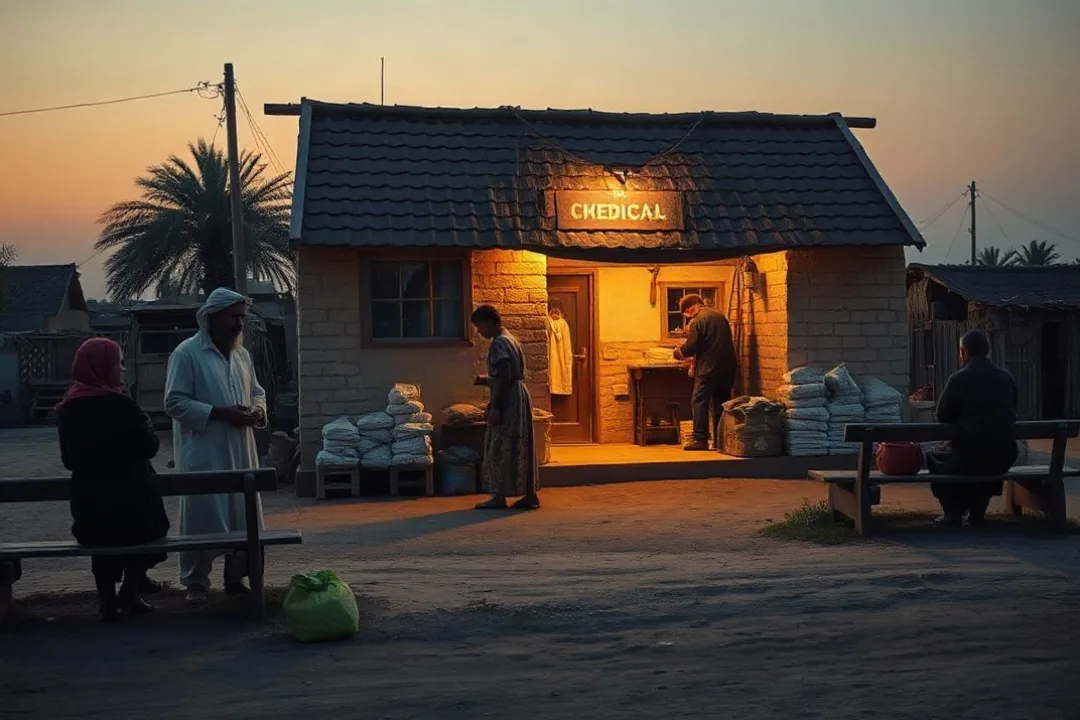
What daily life looks like on the field
Daily life for a missionary rarely matches the dramatic images people associate with the word. Much of the work is administrative: securing visas, managing budgets, coordinating with local partners, and handling routine maintenance of buildings or vehicles. Language learning alone can consume the first one to two years of a new assignment, especially in places where the local language has no widely available learning materials.
Relationships with local communities take time to build and depend heavily on humility and consistency rather than charisma. Missionaries who stay for decades often say the first few years were marked by more listening than speaking, and more mistakes than successes. Trust with a host community is usually earned slowly, through showing up reliably and respecting local customs, rather than through any single dramatic gesture.
Common criticisms and how modern missions have changed
Missionary work has a complicated history, and it is worth being honest about it. In some periods, missionary activity was closely tied to colonial expansion, and local cultures, languages, and religious practices were sometimes suppressed or dismissed rather than respected. Boarding schools run by missionaries in several countries, including parts of North America and Australia, caused lasting harm to indigenous communities by separating children from their families and languages.
These failures have shaped how many organizations approach the work today. Current best practices generally emphasize:
- Partnering with local leaders rather than imposing outside leadership.
- Learning the local language well enough to communicate without relying solely on translators.
- Avoiding dependency by supporting local economies instead of simply giving away goods and services.
- Respecting cultural practices that do not conflict with the core message being shared.
- Measuring success by what local communities sustain after the missionary leaves, not by headcounts or conversions alone.
Some theologians have pushed back on the idea that effectiveness should be measured in numbers at all.
Mother Teresa once said that she was not called to be successful, but to be faithful.
That distinction matters for how modern missionaries think about their work: faithfulness to a calling and respect for the people being served now carry more weight than rapid results.
Practical tips and mistakes to avoid
Whether someone is considering a two-week trip or a lifelong assignment, a few practical points come up again and again among experienced missionaries.
- Don't skip language study. Relying permanently on translators limits relationships and can create dependency on a small number of bilingual helpers.
- Avoid projects that outside funding can't sustain. A well, school, or clinic that collapses once outside money stops often does more harm than good to local trust.
- Be clear about expectations with your sending organization. Misunderstandings about budget, housing, or reporting requirements are a leading cause of early returns home.
- Build in rest and mental health support. Burnout is common, particularly in the first two years, and isolation from family support systems makes it worse.
- Ask local partners what they actually need. Well-intentioned projects designed without local input frequently address problems that aren't priorities for the community.
- Keep financial records transparent. Donors and host communities alike respond better to missionaries who are open about how money is used.
How missionary work connects to everyday volunteering
Not everyone who wants to serve needs to relocate permanently or join a formal agency. Many of the same principles that guide long-term missionaries apply to shorter-term volunteer work: listening before acting, deferring to local leadership, and focusing on sustainable rather than flashy results. Churches and nonprofits regularly organize short trips that let people test whether longer-term missionary work fits their skills and temperament.
For those who do feel drawn to a lasting commitment, the path usually starts small: a local volunteer project, a short trip abroad, language classes, or a conversation with a mission board about what training is needed. The word itself, rooted in being "sent," still captures the basic idea well. It is less about geography and more about choosing to place someone else's needs, in an unfamiliar setting, ahead of personal comfort.
Frequently asked questions
What is the difference between a missionary and a volunteer?
A volunteer typically offers time for a specific, often short-term task, while a missionary usually operates under a longer-term calling tied to a religious or humanitarian organization, with ongoing commitments to a community, language learning, and ministry or service goals beyond a single project.
Do missionaries get paid a salary?
Most rely on financial support raised from churches, family, and individual donors rather than a fixed employer salary. Some organizations provide a modest stipend, housing, or benefits, but income is usually tied to fundraising rather than a traditional paycheck, which means budgets can fluctuate.
How long do people typically serve as missionaries?
It varies widely. Short-term trips last from a week to a few months, while long-term missionaries often commit to multi-year terms, frequently two to four years at a stretch, with some serving in the same region for decades, interspersed with furloughs back home.
Can missionary work happen without religious motivation?
The term is most associated with religious outreach, but many people use similar methods, long-term relocation, service to underserved communities, and sustainable local projects, for purely humanitarian or educational reasons through secular nonprofits, even if they wouldn't use the word "missionary" to describe themselves.
Leave a Reply