
Blessing of Bibles: what it means and how it's done
You just picked up a new Bible, maybe for a baptism, a confirmation, a graduation, or simply because your old one is falling apart. Before you hand it over or start using it, you wonder if it should be blessed first, and if so, how that actually works. The short answer is that a blessing is a short prayer of dedication, usually said by a priest, pastor, or minister, though in many traditions a parent or grandparent can say a simple blessing at home too.
A Bible blessing is not a magic spell and it does not change the physical object into something supernatural. It is a way of setting the book apart for sacred use, asking God to bless the reader and to make the words inside meaningful and transformative. Understanding the purpose behind the practice makes it easier to decide when you need a formal blessing and when a personal prayer at home is enough.
Why Christians bless Bibles in the first place
The Bible itself is considered sacred text, but the physical book, the paper, leather, and ink, is just an object. Blessing it is a gesture that reflects reverence for what is inside rather than belief that the object itself holds power. It is similar to blessing a rosary, a cross, or a religious medal: the blessing asks God to use the object as a channel of grace and to protect and guide whoever uses it.
In Catholic and many liturgical traditions, blessings follow the pattern of asking God's favor on a person or thing dedicated to a holy purpose. A blessed Bible is meant to remind the owner that Scripture is meant to be lived, not just read. The blessing also marks an occasion, such as a First Communion, a wedding, or a new chapter in someone's faith life, giving the gift extra significance.
May the word of God dwell richly in you, guiding your steps and renewing your heart each day you open its pages.
That kind of sentiment, whether spoken by a priest in Latin-rooted liturgical language or by a grandmother in her own simple words, captures the heart of why people bless Bibles at all.
How to get a Bible blessed by clergy
If you want an official blessing from a priest, pastor, or deacon, the process is usually straightforward. Most clergy are glad to bless a Bible, whether it's new or has been in the family for generations.
- Bring the Bible to church. Many parishes offer blessings after Mass or during a scheduled appointment; some do it on the spot if you ask before or after a service.
- Ask directly. A simple request like "Could you bless this Bible for my daughter's confirmation?" is all that's needed. Clergy are used to this request and rarely need advance notice for a quick blessing.
- Attend a special occasion. Baptisms, confirmations, First Communions, and weddings are common moments when a Bible is blessed along with the person receiving it.
- Check for group blessings. Some parishes hold an annual "blessing of Bibles" event, often tied to Bible Sunday or the start of a religious education year, where everyone brings their Bible to be blessed together.
- Mail-in or online requests. A few churches and religious bookstores offer to bless Bibles that are mailed in, though an in-person blessing is more traditional and meaningful for most families.
If you belong to a specific denomination, the exact wording and ritual will vary, but the underlying intention stays the same across traditions: setting the book apart and asking for grace upon its use.
Tip: If you're giving a Bible as a gift, ask the officiant to bless it during the related ceremony, such as a baptism or wedding, so the blessing becomes part of a memory the recipient will treasure.
What different Christian traditions say about blessing Bibles
Not every denomination treats Bible blessings the same way, and knowing the differences can help you understand what to expect depending on where you worship.
- Catholic practice: Priests often use a formal blessing from a ritual book, invoking God's grace on the reader and the household. Bibles are sometimes blessed alongside rosaries and other sacramentals.
- Protestant practice: Many Protestant pastors offer a simpler, extemporaneous prayer rather than a fixed ritual text. The emphasis is less on the object and more on dedicating the person's heart to reading and obeying Scripture.
- Orthodox practice: Blessings may involve holy water and incense, reflecting a strong sacramental view of blessed objects, with the Bible treated with particular reverence during the liturgy.
- Nondenominational and evangelical churches: A blessing is often a personal, informal prayer said by a family member or pastor, especially when giving a Bible to a child or new believer.
None of these approaches is "more correct" than another; they simply reflect different theological emphases on ritual, sacrament, and personal faith expression.
Can you bless a Bible yourself at home
Yes. In most Christian traditions, a parent, grandparent, godparent, or friend can say a blessing over a Bible without needing ordained clergy present. This is especially common when giving a Bible as a gift for a birthday, graduation, or new job, moments that don't call for a formal church ceremony but still feel meaningful.
A home blessing doesn't need elaborate wording. Here is a simple structure you can follow:
- Open with gratitude. Thank God for the gift of Scripture and for the person receiving the Bible.
- Ask for guidance. Pray that the words inside will bring wisdom, comfort, and direction to the reader's life.
- Dedicate the moment. Name the occasion, whether it's a new school year, a recovery from illness, or simply a fresh commitment to faith.
- Close with a blessing statement. Something like, "May this Bible be a lamp to your feet and a light to your path," echoing the sentiment of Psalm 119:105.
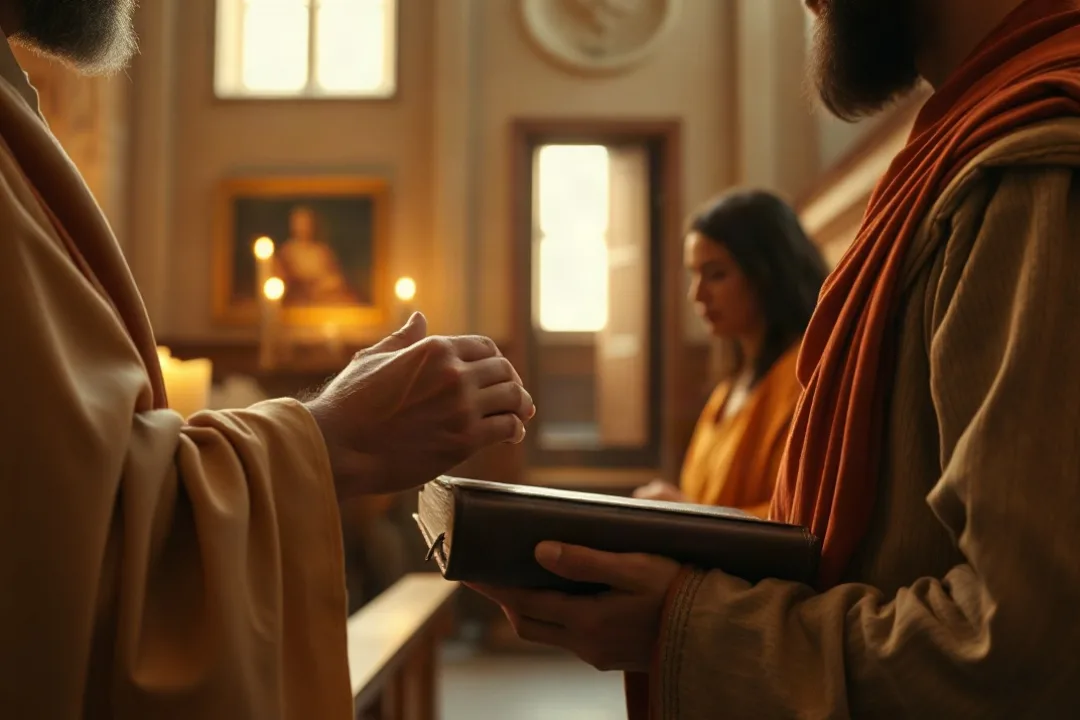
You can say this prayer with your hand resting on the cover of the Bible, which is a common gesture symbolizing the transfer of blessing from the one praying to the object and its future reader.
When people typically choose to have a Bible blessed
Certain life events tend to prompt families to seek a Bible blessing, even if they aren't deeply involved in formal church life the rest of the year.
- Baptisms and christenings: A Bible given at baptism is often blessed as part of the ceremony, symbolizing the start of a life of faith.
- Confirmations and First Communions: Many parishes bless Bibles presented to young people as they take a more active role in their faith.
- Weddings: Couples sometimes have a family Bible blessed to use during the ceremony and keep as a keepsake afterward.
- Graduations and milestones: Giving a blessed Bible to a graduate or someone starting military service is a common way to offer encouragement.
- Replacing a worn-out Bible: When an old, heavily used Bible is retired and a new one takes its place, some families ask for a blessing to mark the transition.
None of these occasions are required by church teaching; they are simply traditional moments when the gesture feels especially fitting.
What happens to an old or damaged Bible that was once blessed
A Bible that has been blessed and is now worn out, torn, or falling apart deserves respectful handling rather than being thrown in the regular trash. Many churches recommend one of the following options.
- Return it to the church. Some parishes collect worn Scripture and dispose of it respectfully, sometimes through burial or burning in a dedicated setting.
- Repurpose the pages. Some families keep favorite pages or verses as keepsakes before retiring the rest of the book.
- Donate it. If the Bible is still readable, donating it to a prison ministry, shelter, or secondhand religious bookstore gives it continued use.
- Bury it. A quiet, respectful burial, sometimes in a church garden, is a traditional way some families choose to retire a blessed Bible.
There's no single rule across denominations, but the common thread is treating the book with the same respect it received when it was blessed.
Keep in mind: A blessing dedicates the Bible's purpose; it does not make the object sacred in a way that forbids normal use, writing notes in the margins, or everyday handling. Most clergy encourage people to actually read and mark up their blessed Bibles rather than keep them untouched on a shelf.
How a Bible blessing differs from dedicating or consecrating one
These terms get used loosely, but there are subtle differences worth knowing.
- Blessing: A prayer asking God's favor on the Bible and its reader; this is the most common and least formal term.
- Dedicating: Often used when presenting a Bible to a child or new church member, emphasizing commitment to reading and following it.
- Consecrating: A stronger, more formal term typically reserved for objects set apart permanently for worship, such as altar Bibles used specifically during services.
For a personal or family Bible, "blessing" is almost always the right word and the simplest practice to request or perform.
Simple words you can use for a Bible blessing prayer
If you're looking for wording to say over a new Bible, whether for yourself, a child, or a friend, here is an easy template you can adapt.
"Lord, we thank You for the gift of Your word. Bless this Bible and bless [name] who will read it. May its pages bring comfort in hard times, wisdom in confusing moments, and joy in knowing You more. Let this book be a trusted companion for years to come. Amen."
Feel free to personalize the names, add a specific verse that matters to your family, or shorten it for a quick moment before dinner or a bedtime routine.
Frequently asked questions
Does a Bible need to be blessed before you can use it?
No. A Bible is fully usable for reading, study, and worship without any blessing. Blessing it is an optional tradition meant to mark a special occasion or express reverence, not a requirement for the book to function as Scripture.
Who is allowed to bless a Bible?
In most traditions, ordained clergy such as priests, pastors, or deacons commonly perform formal blessings, but parents, grandparents, or friends can also say a simple blessing prayer at home. There is no strict rule limiting who may offer a blessing informally.
Is there a difference between blessing a new Bible and an old family Bible?
The blessing itself is the same prayer of dedication regardless of age. People sometimes choose to bless an old family Bible again when passing it down to a new generation, treating the moment as a fresh dedication rather than repeating an unnecessary ritual.
What do you do with a Bible that can no longer be used?
Many churches suggest returning a worn or damaged Bible to the parish for respectful disposal, donating it if still readable, or burying it quietly. Throwing it directly in household trash is generally discouraged out of respect for its sacred content.
Leave a Reply