
Beyond Doubting Thomas: The Brave Words We Forgot
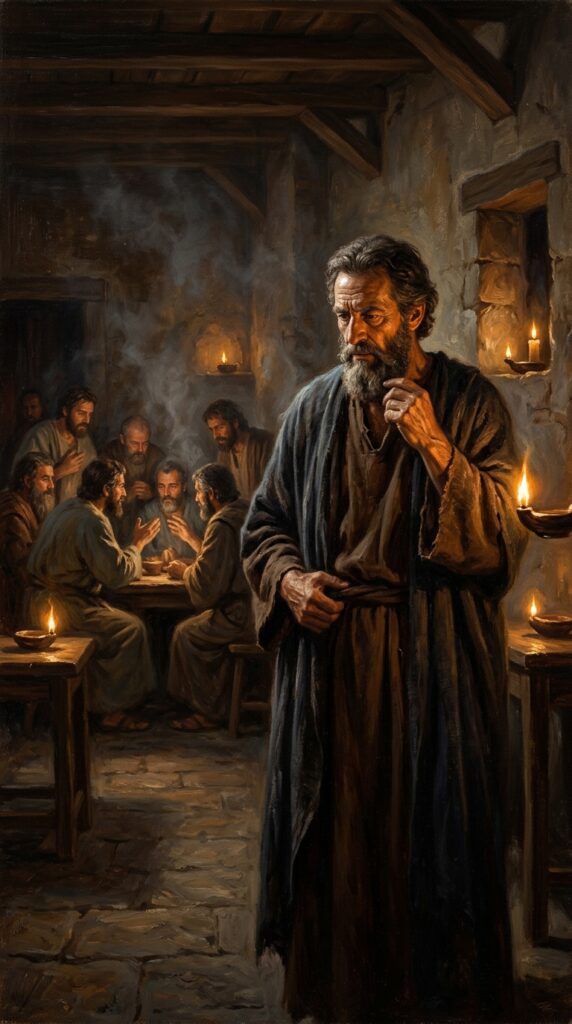
If you saw our recent video, you already know the riddle that surrounds one of Jesus’ closest followers. For centuries, church history has labeled him with an unfortunate nickname: “Doubting Thomas.” We picture a timid skeptic standing in the shadows, crossing his arms while the other apostles rejoiced in the risen Savior. But Scripture paints a strikingly different portrait. Long before Thomas wrestled with the reality of the resurrection, he spoke words of breathtaking courage that put every other disciple to shame. And when he finally encountered the risen Christ, he uttered a declaration of five simple words that changed Christian theology forever.
To truly understand Thomas, we have to look past the nickname and discover a man of fierce loyalty, raw honesty, and unyielding devotion. Here is the full story of what Thomas really said, what drove his questions, and why his journey matters so much for our faith today.
The Death Trap in Judea: A Forgotten Moment of Bravery
The first defining moment took place just before Jesus performed one of His greatest miracles: raising Lazarus from the dead. In the Gospel of John, word reached Jesus that His dear friend Lazarus was critically ill in Bethany. Bethany sat just two miles outside Jerusalem, in the heart of Judea—a region that had turned into a literal death trap for Jesus.
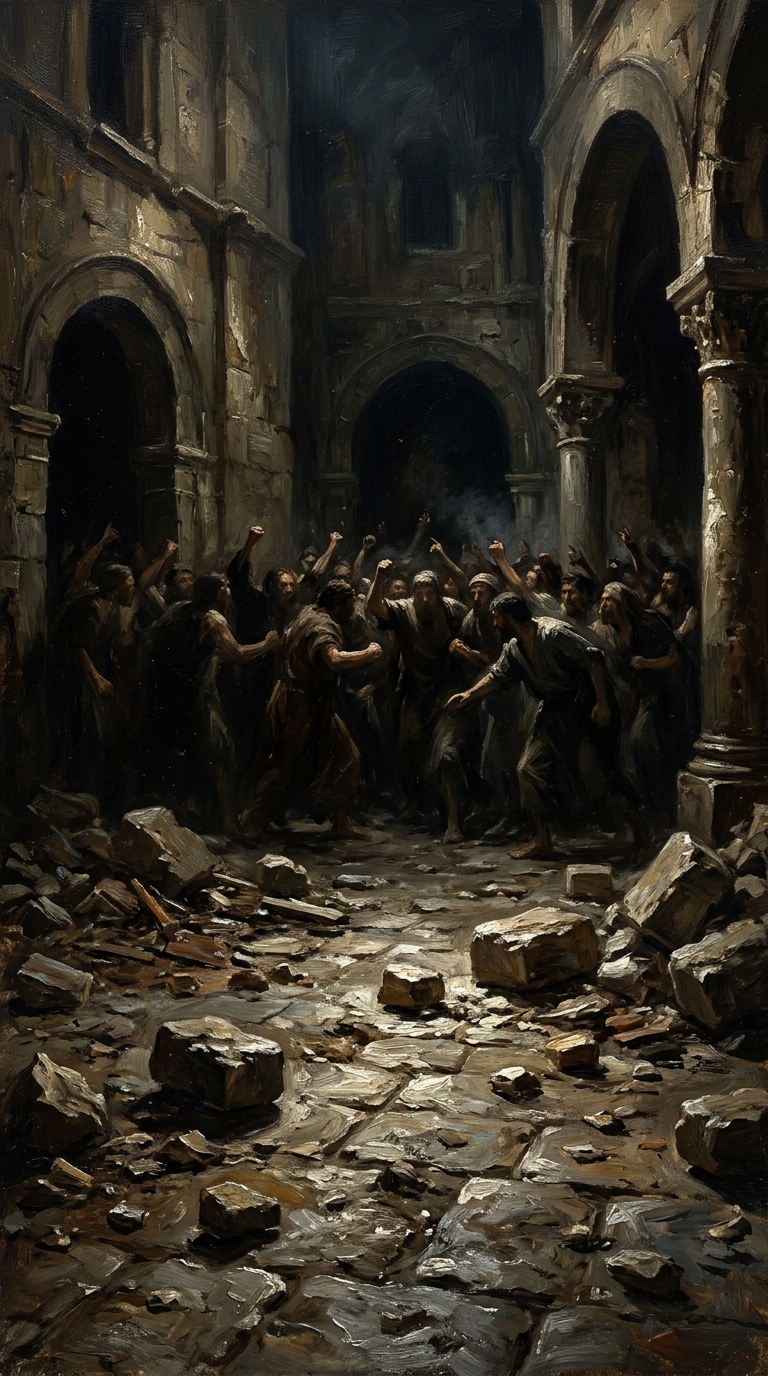
Only a short time earlier, religious leaders in Judea had picked up heavy stones intending to execute Jesus for blasphemy (John 10:31). He had narrowly escaped their grasp. So when Jesus turned to His inner circle and said, “Let us go to Judea again,” the disciples were visibly shaken. They could not believe what they were hearing.
In John 11:8, the disciples pushed back with urgent panic: “Rabbi, the Jews were just now seeking to stone you, and are you going there again?” To them, returning to Judea was nothing short of a suicide mission. They expected arrest, mob violence, and a gruesome death.
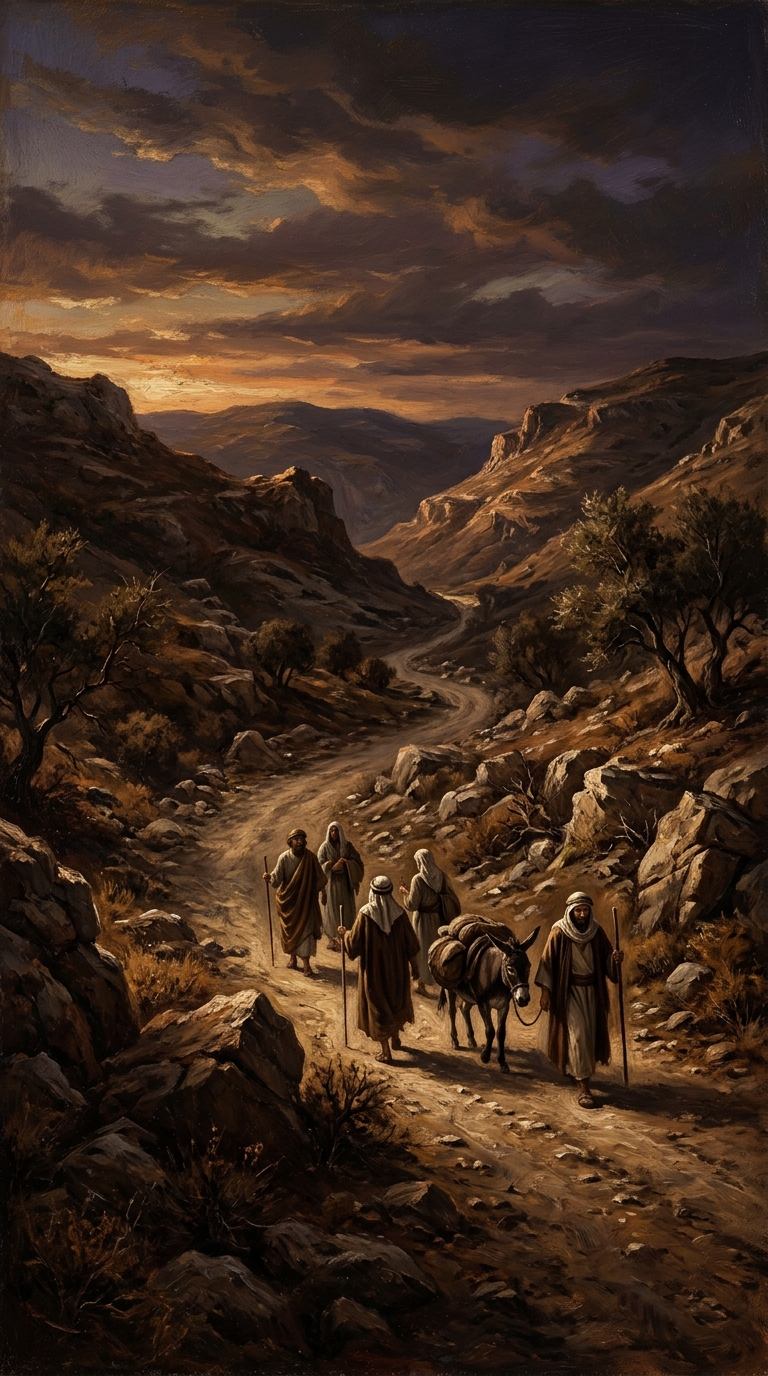
The Fierce Declaration: “Let Us Also Go, That We May Die with Him”
As the other disciples hesitated, paralyzed by the genuine threat of execution, one voice broke the silence. It was not Peter, who is so often remembered as the bold spokesman of the group. It was Thomas, who was also called Didymus, meaning “the Twin.”
“So Thomas, called the Twin, said to his fellow disciples, ‘Let us also go, that we may die with him.’” — John 11:16
Here was a man who saw the danger with absolute clarity. Thomas was neither naive nor reckless; he fully expected to lose his life alongside his Master. Yet his response was not to flee or negotiate an easier path. His love for Jesus was so intense that he preferred dying beside Him to living without Him. In this forgotten moment, Thomas displayed a sacrificial loyalty that puts the label “doubter” to shame.
This same deep longing for Jesus appeared again during the Last Supper. When Jesus comforted the room by saying He was going to prepare a place for them, Thomas asked with raw sincerity: “Lord, we do not know where you are going. How can we know the way?” (John 14:5). Thomas refused to pretend he understood spiritual mysteries when his heart was aching for clarity. His honest question opened the door for one of the most famous promises in all of Scripture, when Jesus replied: “I am the way, and the truth, and the life. No one comes to the Father except through me” (John 14:6).
The Broken Heart Behind the Upper Room
Understanding Thomas’s intense devotion helps us make sense of what happened after the cross. On Good Friday, Jesus was brutally crucified. The disciples scattered in terror, their hopes shattered. Thomas, who had been completely prepared to march into Judea and die beside his Lord, now had to reckon with a devastating reality: Jesus was dead, buried in a borrowed tomb, and Thomas was still alive.
When the resurrected Jesus first appeared to the apostles behind locked doors on Sunday evening, Thomas was mysteriously absent (John 20:24). The Bible does not explain where he was, but his absence speaks volumes. Thomas was likely grieving in isolation, nursing a broken heart that felt beyond repair.
When the other disciples found him, rejoicing and saying, “We have seen the Lord,” Thomas could not simply accept secondhand joy. The pain of the cross had cut too deep. He laid down a blunt condition:
“Unless I see in his hands the mark of the nails, and place my finger into the mark of the nails, and place my hand into his side, I will never believe.” — John 20:25
Thomas was not casually scoffing at the miracle. He was guarding a wounded heart. He needed to know beyond a shadow of a doubt that the One who died was truly back.
Eight Days Later: The Five Words That Shook History
For eight long days, Thomas remained in suspense. Then, behind locked doors once more, the resurrected Christ appeared in their midst and said, “Peace be with you.”
Notice what Jesus did next. He did not scold Thomas, dismiss him from apostleship, or condemn him for his questions. Instead, Jesus looked directly at him and invited him into the evidence he needed: “Put your finger here, and see my hands; and put out your hand, and place it in my side. Do not disbelieve, but believe” (John 20:27). The Savior met Thomas right at the exact point of his struggle.
Scripture does not even record whether Thomas actually reached out to touch the wounds. The visual proof of Christ’s living presence overwhelmed him instantly. Falling before his Master, Thomas spoke the five words that revealed the second mystery from our video:
“Thomas answered him, ‘My Lord and my God!’” — John 20:28
In those five English words, Thomas made what many Bible scholars consider the most profound and explicit confession of Jesus Christ’s deity in the four Gospels. He did not merely call Jesus a great teacher, a returned prophet, or a miracle worker. Thomas confessed that the wounded, living carpenter from Nazareth is the sovereign Lord and the living God of the universe.
Jesus then pronounced a blessing that extends directly to you and me today: “Have you believed because you have seen me? Blessed are those who have not seen and yet have believed” (John 20:29).
From Honest Skeptic to Enduring Martyr
What became of Thomas after that sacred encounter? While the New Testament does not record the details of his later years, ancient church tradition holds that Thomas carried the Gospel farther than almost any other apostle. Early Christian historians recorded that Thomas traveled east, eventually reaching the shores of southern India in AD 52.
Today, millions of Indian believers in Kerala trace their spiritual heritage to the ministry of the apostle Thomas, known historically as the Saint Thomas Christians. According to these enduring traditions, Thomas proclaimed Christ faithfully until he was martyred by a spear near Chennai—finally laying down his physical life for the Master he loved so deeply.
The story of Thomas is not a cautionary tale about weak faith; it is an inspiring picture of genuine devotion. Thomas shows us that honest doubt is not the enemy of faith. When our struggles, fears, and honest questions are brought directly to the feet of Jesus, He does not turn us away. He gently reveals His scars, restores our peace, and transforms our hesitations into unshakeable conviction.
Have you ever wrestled with seasons of doubt, only to experience Jesus meeting you right where you were? Tell us your thoughts and your story in the comments below!
Leave a Reply