
Crucifijos catolicos: Tipos, significado y guía de compra
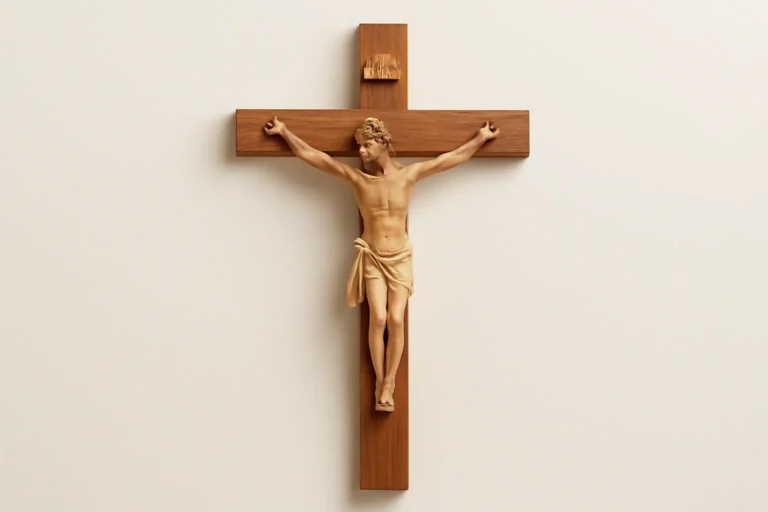
Los crucifijos católicos son objetos de fe, devoción y arte religiosa que acompañan a millones de personas en su vida diaria, en oratorios, iglesias y hogares. Este artículo ofrece una visión amplia y educativa sobre los distintos tipos de crucifijos católicos, su significado espiritual y una guía práctica para realizar una compra informada. A lo largo del texto encontrarás variaciones semánticas y estilísticas asociadas a esta pieza devocional, desde las tallas y materiales hasta las finalidades litúrgicas y devocionales. El objetivo es ayudarte a entender qué distingue a cada crucifijo, qué valor tiene cada elección y cómo elegir aquel que mejor se ajuste a tus necesidades, creencias y presupuesto.
Tipos de crucifijos católicos
En el mundo de la devoción católica, existen varias categorías de crucifijos. Cada una responde a diferentes contextos: litúrgicos, personales, familiares o religiosos. A continuación se presentan las variantes más comunes, con ejemplos de características que las diferencian.
Crucifijo con Cristo (crucifix) vs crucijo desnudo (cruz sin figura)
Uno de los criterios más importantes para clasificar los crucifijos es si muestra la figura de Cristo crucificado. En la tradición católica, el crucifix o crucifijo incluye la representación de Cristo en la cruz, simbolizando la Pasión y el sacrificio redentor. Por contraste, existen cruces o tallas que muestran solo la cruz vacía o desnuda, también conocidas como cruces desnudas o cruzes d’exaltación en algunos contextos, que enfatizan la Resurrección y la victoria sobre la muerte.
- Crucifix con la figura de Cristo: suele estar tallado o moldeado en relieve, con el Cristo representado en una postura que resalta el dolor y la entrega. Es común en devociones personales, altares domésticos y ciertos ámbitos litúrgicos.
- Cruz desnuda o crucifijo sin Cristo: se utiliza a veces en contextos pedagógicos, en capillas o en escuelas católicas que desean enfatizar la cruz como símbolo de salvación sin la representación corporal específica de la Pasión.
Variantes estilísticas: tradicional, barroca, gótica y contemporánea
Los crucifijos pueden adoptar diversos estilos artísticos que reflejan épocas, culturas y gustos personales. Estas variantes no modifican el mensaje central de la fe, pero sí la estética y la ambientación en la que se integran.
- Tradicional o clásico: líneas sencillas, tallas proporcionadas y acabados naturales que evocan la artesanía medieval y renacentista. Suelen utilizar maderas oscuras o acabados envejecidos.
- Barroco: abundancia de ornamentación, detalles curvilíneos, dorados y motivos florales que buscan transmitir solemnidad y magnificencia.
- Gótico: formas alargadas, contraluces pronunciados y una sensación de verticalidad que apunta hacia lo trascendente.
- Contemporáneo o minimalista: líneas limpias, sin ornamentación excesiva, frecuentemente en materiales modernos como resina, acero o bronce pulido.
Crucifijos litúrgicos vs devocionales
Las diferencias entre los crucifijos pueden extenderse a su uso previsto. En la liturgia y el culto público, algunas piezas deben cumplir con normas de la Iglesia y presentar ciertas proporciones o iconografía. En el ámbito devocional personal, se prioriza la belleza, la comodidad de uso y la adecuación al entorno doméstico.
- Crucifijos litúrgicos: se emplean en altares, capillas o iglesias y suelen estar realizados con metales duraderos y acabados sobrios, diseñados para resistir el uso frecuente y la veneración comunitaria.
- Crucifijos devocionales: pensados para llevarse como collares, colocar en una mesilla o en un rosario; suelen ser más pequeños, livianos y disponibles en una amplia gama de materiales.
Materiales comunes y sus particularidades
La elección del material de un crucifijo influye en su durabilidad, peso, precio y estética. A continuación, se describen los materiales más habituales y qué conviene saber de cada uno.
- Madera: desde maderas claras hasta roble o caoba. Es cálido al tacto, fácil de tallar y favorece una estética tradicional. Puede requerir cuidado para evitar deformaciones por humedad.
- Resina: ofrece una gran versatilidad en formas y acabados; suele ser más asequible y ligera. Es resistente a impactos y permite imitaciones de piedra o bronce.
- Metal (bronce, latón, plata, acero inoxidable): aporta durabilidad y una presencia sobria. La plata o bronce envejecen con un característico patinado que puede realzar su aspecto ceremonial.
- Plata o plata esterlina: valor alto, acabado luminoso, ideal para piezas de altar o coleccionismo, requiere mantenimiento para evitar manchas.
- Otros acabados: piedras semipreciosas, brillos dorados, recubrimientos de oro o plata, que buscan mayor solemnidad o riqueza visual.
Tamaños y usos prácticos
Los crucifijos se diseñan en una amplia gama de tamaños para adaptarse a diferentes escenarios. Cada tamaño tiene un uso recomendado según el contexto de devoción o la necesidad del usuario.
- Miniaturas: ideales para rosarios, colgantes o llaveros; suelen medir entre 2 y 6 centímetros.
- Colgantes para cuello: tamaños entre 4 y 8 centímetros, ligeros y pensados para uso diario.
- Crucifijos de altar: piezas más grandes, entre 15 y 40 centímetros, a veces parte de una composición litúrgica o de una devoción familiar.
- Crucifijos murales: diseñados para colocar sobre una pared, con sistemas de fijación que permiten colgado estable en hogares o capillas.
Detalles iconográficos y representaciones
Más allá de su material y tamaño, muchos crucifijos incluyen detallesiconográficos que pueden enriquecer su significado para el fiel. Estos elementos suelen ser símbolos cristianos tradicionales que aparecen en el entorno de la Pasión y la Resurrección.
- INRI (Iesus Nazarenus Rex Iudaeorum): inscripción que, en la tradición latina, aparece sobre la cabeza de Cristo y recuerda la afirmación de la autoridad romana sobre la muerte de Jesús.
- Elementos cenestarianos o evangelísticos que aluden a los evangelios o a la presencia de María y los santos en la devoción.
- Detalles de la Pasión (nudo de la corona de espinas, clavos, lanza) que enfatizan la agonía redentora por la humanidad.
Significado y simbolismo de los crucifijos católicos
El crucifijo es, ante todo, un recordatorio visual de la muerte y Resurrección de Cristo. Su simbolismo se extiende a la salvación, la misericordia divina, la esperanza y la comunión de los santos. A continuación se profundiza en las dimensiones espirituales y prácticas del crucifijo en la vida católica.
La Pasión como eje central de la fe
Para la tradición cristiana, el crucifijo es un recordatorio del amor sacrificado de Cristo y de su voluntad de redimir a la humanidad. Ver la figura de Cristo crucificado invita a la contemplación de la misericordia, la humildad y la obediencia a la voluntad divina.
Un símbolo de esperanza y redención
Aun cuando el dolor de la Pasión es evidente, el crucifijo también comunica la promesa de la resurrección y la victoria sobre la muerte. En la vida diaria, un crucifijo puede servir como recordatorio de que la fe acompaña en los momentos de dificultad, destacando la esperanza cristiana.
Uso religioso y devocional
El crucifijo se utiliza de múltiples formas: en la oración personal, en la casa familiar, en ambientes de trabajo o estudio, y en celebraciones litúrgicas. En cada entorno, el crucifijo invita a la reflexión, a la oración y al compromiso con los valores cristianos.
Guía de compra: cómo elegir un crucifijo católico adecuado
Elegir un crucifijo no es solo una cuestión de estética. Implica considerar el significado personal, el contexto de uso, la durabilidad y la congruencia con la fe y la tradición. A continuación se presentan criterios prácticos para tomar una decisión informada.
1) Propósito y uso previsto
Antes de comprar, define para qué lo necesitas: ¿devoción personal, regalo, decoración de altar familiar, pieza litúrgica para una iglesia o un artículo de colección? El propósito determina el tamaño, el material y el estilo más adecuado.
- Devoción personal: busca un tamaño cómodo para llevar o colocar en un lugar de la casa; equilibrio entre peso, precio y estética.
- Regalo religioso: puede ser una pieza simbólica con un acabado cuidado; considera el gusto del destinatario y su estado de vida espiritual.
- Altar familiar o litúrgico: se recomienda un crucifijo con buena presencia, materiales duraderos y acabado acorde al mobiliario y a la liturgia doméstica.
2) Material y durabilidad
El material determina la durabilidad, el mantenimiento y el costo. También influye en la apariencia y la sensación al tacto.
- Para uso diario o exterior: materiales como bronce, acero inoxidable o resina de alta resistencia.
- Para altar o reliquias: plata, bronce pulido, o maderas nobles pueden ofrecer una presencia solemne y duradera.
- Para regalos y objetos devocionales pequeños: la resina o maderas tratadas pueden ser opciones atractivas y asequibles.
3) Talla y proporciones
El tamaño debe adaptarse al espacio donde se colocará y a la comodidad del usuario. Las reglas generales son:
- Colgante o uso personal: entre 4 y 8 cm de alto suele ser cómodo para el cuello.
- Para habitación o altar doméstico: entre 15 y 25 cm de alto genera presencia sin resultar abrumador.
- Para iglesia o capilla: piezas grandes pueden requerir soporte de pared o base sólida y un sistema de fijación seguro.
4) Estilo y coherencia con el entorno
[aib_post_related url='/cosas-cristianas/' title='Cosas cristianas: ideas, recursos y actividades para fortalecer tu fe' relatedtext='Quizás también te interese:']
El crucifijo debe armonizar con el lugar donde se sitúa. En hogares con decoración clásica, un crucifijo tradicional o barroco puede integrarse mejor; en ambientes contemporáneos, puede encajar un diseño minimalista o de resina pulida. También es importante considerar si el crucifijo debe combinar con otros objetos litúrgicos o con la iconografía existente.
5) Detalles y simbolismo
Elige los detalles que resuenen contigo o con la persona a quien se lo regalas. Algunos detalles a considerar incluyen:
- INRI o ausencia del mismo; su presencia puede representar una actualización histórica o litúrgica específica.
- El tipo de representación de Cristo (tallado en relieve, crucificado con un lenguaje más sobrio o más expresivo).
- Decoraciones adicionales (ornamentos barrocos, motivos florales, inscripciones devocionales) que aporten significado personal.
6) Origen, autenticidad y certificaciones
En especial para piezas de plata, oro o metales preciosos, puede ser importante verificar el origen y las certificaciones de autenticidad. En crucifijos de alto valor, consultar con una tienda de confianza o con una parroquia puede ayudar a confirmar la procedencia y la calidad.
Cuidados y mantenimiento de crucifijos
Como ocurre con cualquier objeto de fe, el cuidado adecuado prolonga la vida y mantiene la belleza simbólica de la pieza. A continuación se ofrecen pautas prácticas para distintos materiales.
Madera
Para los crucifijos de madera, evita la humedad excesiva y la exposición prolongada al sol. Limpia con un paño suave y, cuando sea necesario, utiliza un tratamiento suave para la madera que no afecte el acabado. Revisa el montaje en la pared o la base para asegurar su estabilidad.
Resina
La resina es durable y fácil de limpiar. Usa un paño ligeramente húmedo y evita productos químicos agresivos que podrían dañar el acabado. Si el brillo se pierde, un paño con un poco de agua tibia puede ayudar a restaurar la apariencia.
Metal
Para bronce, plata o acero, evita la humedad excesiva y la exposición a la corrosión. La plata puede requerir limpieza y pulido periódico para evitar manchas. Usa productos diseñados para plata o metales específicos y sigue las indicaciones del fabricante.
Conservación general
Con independencia del material, guarda o cubre el crucifijo cuando no esté en uso. Un lugar seco, limpio y protegido de la luz directa ayuda a mantener su integridad y valor simbólico.
Dónde adquirir crucifijos católicos
La compra de crucifijos puede hacerse en diferentes tipos de establecimientos, cada uno con ventajas y desventajas. A continuación, algunas opciones y consideraciones para escoger un proveedor confiable.
- Tiendas religiosas y parroquias: suelen ofrecer piezas con referencias litúrgicas y asesoría de calidad, y pueden garantizar origen y símbolo correcto.
- Joyerías y artesanos: permiten mayor personalización en tamaño, material y grabados; ideal para piezas de alta gama y devociones personales únicas.
- Tiendas en línea: ofrecen una amplia variedad y precios competitivos; es importante verificar reseñas, políticas de devolución y certificaciones de autenticidad.
- Mercados de antigüedades o ferias religiosas: pueden brindar piezas con historia y valor estético particular; requiere verificación cuidadosa de autenticidad.
Preguntas frecuentes sobre crucifijos católicos
A continuación se abordan dudas habituales que suelen plantearse tanto a quienes comienzan su devoción como a coleccionistas o encargados de parroquias.
¿Qué crucifijo es más adecuado para un niño o joven?
Para menores o jóvenes, se suele recomendar un crucifijo de tamaño compacto y peso ligero, de materiales duraderos y con acabados seguros. Si la finalidad es conservar o enseñar sobre la devoción, un diseño claro y sencillo puede ser más apropiado para el aprendizaje inicial.
¿Es correcto llevar un crucifijo como colgante?
Sí, muchos cristianos llevan crucifijos como colgante o medalla. En estos casos, la comodidad, la seguridad (cierre seguro) y la durabilidad son aspectos clave. Además, es aconsejable que el tamaño no sea tan grande que afecte la comodidad diaria.
¿Qué diferencias hay entre un crucifijo antiguo y uno moderno?
La diferencia principal suele estar en el estilo y el acabo. Los crucifijos antiguos pueden presentar tallas con más detalles y acabados envejecidos. Los modernos suelen ser más ligeros, con procesos de fabricación que permiten variaciones de color y textura. Sin embargo, el significado espiritual permanece igual.
Glosario rápido de términos relacionados
Para entender mejor las descripciones de crucifijos y facilitar la compra, aquí tienes un glosario rápido de términos que suelen aparecer en catálogos y tiendas:
- Crucifix: crucifijo en inglés; término común para un crucifijo con la figura de Cristo.
- INRI: inscripción que aparece, según la tradición, sobre la cabeza de Cristo en la cruz.
- Litúrgico: relacionado con la liturgia y las ceremonias religiosas de la Iglesia.
- Devocional: destinado a la devoción personal o familiar, no necesariamente para uso litúrgico público.
- Patinado: envejecimiento artificial o natural del metal que le confiere un tono antiguo.
Conclusión
Un crucifijo católico es mucho más que una simple pieza decorativa: es un símbolo de fe, memoria y consuelo para quienes buscan recordatorios tangibles de la Pasión y la esperanza en la Resurrección. La diversidad de tipos, materiales, estilos y tamaños permite que cada persona encuentre una pieza que resuene con su vida espiritual, su entorno y su presupuesto. Al seleccionar un crucifijo, conviene atender al propósito del objeto, la durabilidad, la seguridad de su uso y la coherencia simbólica con la tradición a la que se pertenece. Ya sea para enriquecer un altar familiar, para un regalo significativo o para completar una colección litúrgica, el crucifijo adecuado puede convertirse en un compañero de oración y un testimonio de fe que acompaña a lo largo de la vida.
En resumen, al explorar el universo de los crucifijos católicos recuerda estas ideas clave: piensa en qué buscas exactamente (devoción personal, regalo, decoración litúrgica), elige un material y tamaño que se ajusten a tu entorno, y valora la calidad y el origen para asegurar una pieza que acompañe fielmente la devoción durante muchos años. Con estas pautas, podrás seleccionar un crucifijo que no solo cumpla una función estética, sino que también fortalezca la fe y la esperanza en la vida cotidiana.
Deja una respuesta