
Igniting Potential: Effective Youth Retreat Themes for Growth
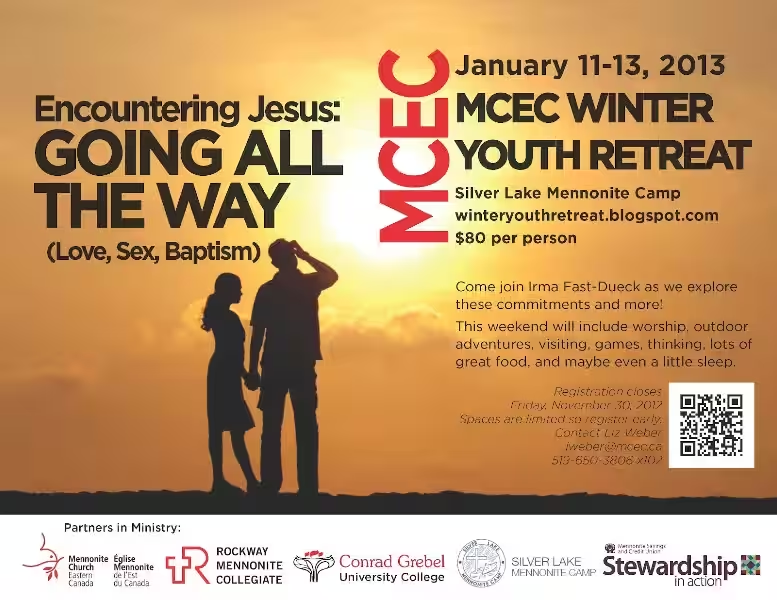
Planning a youth retreat can be an exhilarating yet daunting task. It's crucial to select themes that resonate with the participants and foster meaningful development. A well-chosen theme can transform a retreat from a simple gathering into an experience that shapes young minds and builds lasting connections. Effective themes foster self-discovery, encourage teamwork, and cultivate essential life skills. This is why careful consideration is so important.
Ultimately, a successful youth retreat is about more than just fun activities. It’s a chance for participants to connect with themselves and their peers in a supportive environment. Selecting themes that encourage reflection, emotional intelligence, and community building are key to a transformative experience. You can use a variety of themes that address different needs and interests, from leadership and resilience to environmental awareness and social responsibility.
Understanding the Psychology Behind Youth Retreats
The psychology behind youth retreats is rooted in the idea of optimal development. Experiential learning plays a crucial role in shaping young minds, and structured activities can help teenagers process their emotions and develop crucial social skills. Retreats that focus on emotional regulation, for example, equip participants with coping mechanisms to navigate challenging situations effectively. These experiences help develop a strong sense of self, leading to more confident and resilient individuals. Consider activities that promote group cohesion and open communication. For instance, structured discussions about values and goals can help youths develop their self-awareness and identify their strengths.
Furthermore, retreat settings often provide a much-needed escape from the pressures of daily life. They create a unique space for introspection and self-discovery. A retreat is a perfect opportunity to encourage youths to explore their values, passions, and aspirations. This can include activities like journaling, mindfulness exercises, and group discussions that help participants understand their emotional responses and needs. This introspection is key to helping teenagers develop empathy and compassion for others.
Crafting Engaging Youth Retreat Themes
Creating captivating themes is crucial for engaging teenagers. Thematic coherence is important; an overarching theme should influence all aspects of the retreat, from the chosen activities to the chosen environment. For example, a retreat focused on environmental awareness could involve outdoor activities, discussions on sustainability, and potentially even community service projects. This provides a focused approach to addressing important social issues. A retreat might also include exploring different perspectives through interactive workshops. Workshops can help explore different ideas and experiences, fostering a strong sense of empathy and respect for others. Here are some examples:
- The Power of Resilience: Activities focusing on overcoming challenges, building coping mechanisms, and practicing mindfulness.
- Navigating Social Media: Workshops on digital well-being, healthy online interactions, and responsible social media use.
- Embracing Diversity: Activities designed to cultivate understanding, empathy, and respect for different backgrounds and perspectives.
Another vital aspect is to involve participants in the selection process. Asking for input and creating a shared understanding of the objectives can greatly increase engagement and motivation. This ensures the themes align with their interests and needs. For example, if teenagers feel heard, they're more likely to participate actively in discussions and activities promoting introspection and teamwork.
Building Lasting Impacts Through Themes
The impact of a youth retreat extends far beyond the weekend. Choosing impactful themes is key to fostering meaningful growth and transformation. Themes centered around self-awareness, communication, and collaboration can equip teenagers with skills they can apply in various aspects of their lives. These skills are crucial for their personal and academic success. This can help teenagers build confidence in their abilities and foster a sense of accomplishment, which are crucial for future success.
The long-term effects of a youth retreat are often subtle but profound. Participants might develop a stronger sense of self-worth, build more robust coping mechanisms, and find a greater sense of belonging. This sense of belonging can lead to enhanced social relationships and community involvement. Ultimately, the most effective themes foster a sense of empowerment and enable participants to embrace their potential. This includes activities focusing on leadership development, conflict resolution, and community building. These elements ensure that the youth not only benefit from the retreat but also make a positive impact on their communities.
Frequently Asked Questions: Youth Retreat Themes
What are some popular youth retreat themes?
Popular themes include: Identity, Belonging, Purpose, Resilience, Faith, Leadership, Service, and Forgiveness. Many retreats blend themes to create a richer experience.
How do I choose a theme that resonates with my youth group?
Consider your group's age, interests, and spiritual maturity. Survey them! What are their current struggles and aspirations? Choose a theme that addresses their needs and offers opportunities for growth.
How can I make the theme engaging and interactive?
Incorporate games, creative activities, discussions, and worship that directly relate to the theme. Use visual aids and storytelling to bring the theme to life. Plan activities that encourage participation and reflection.
Where can I find resources for developing a youth retreat theme?
Search online for youth ministry resources, retreat planning websites, or books on youth group activities. Consider consulting with other youth pastors or leaders for ideas and inspiration. Look for pre-made retreat kits that align with your chosen theme.
What if my youth group struggles to connect with the chosen theme?
Be flexible! Listen to their feedback and adapt your activities accordingly. Offer alternative activities or discussions that will still address the overall theme but in a more relatable way. Don’t be afraid to pivot.
How can I ensure the retreat is spiritually enriching?
Integrate prayer, worship, Bible study, or reflection time into the schedule. Create space for personal reflection and spiritual growth. Encourage sharing and support among participants. Focus on creating an atmosphere of prayer and community.
How can I incorporate Psykologi into the retreat theme?
You can incorporate aspects of positive psychology to foster personal growth and resilience. For example, you could plan activities related to gratitude, mindfulness, self-compassion, emotional intelligence, or goal setting. Consider inviting a guest speaker who is knowledgeable in relevant psychological principles. Remember to focus on practical application and support, not diagnosis or treatment.