
Unlocking the Rhythms of the Lunar Sabbath: A Psykologi Perspective
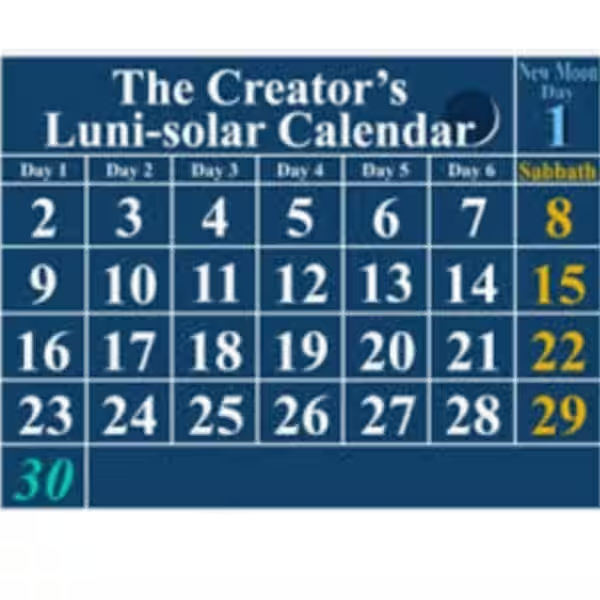
In a world often dictated by the relentless march of time, a quiet, powerful force subtly shapes our lives – the moon. This celestial body, with its waxing and waning cycles, has inspired awe and reverence for millennia. Lunar rhythms are deeply intertwined with our own inner rhythms, influencing our moods, energy levels, and even our creativity. The concept of a Lunar Sabbath, a time of reflection and rejuvenation aligned with the moon's phases, offers a potent tool for harnessing this energy for better mental well-being.
This article delves into the concept of the Lunar Sabbath, exploring how observing these cycles can foster emotional intelligence and lead to a more balanced and fulfilling life. We'll unpack the scientific and psychological underpinnings of this ancient practice, along with practical strategies for implementing it into your daily routine, making it a sustainable part of your self-care. This journey toward understanding lunar rhythms empowers you to create a more harmonious relationship with yourself and the world around you.
Understanding the Lunar Cycle: A Natural Compass
The moon's phases, from the new moon's quiet beginnings to the full moon's radiant peak, are more than just celestial events. They represent powerful energy shifts. Observing these cycles allows us to tune into a natural rhythm, helping us understand the ebb and flow of our own energy reserves. Consider the new moon a time of potential, a blank canvas. A great time to set intentions. A lunar Sabbath during this period often focuses on self-reflection and setting intentions, a powerful practice for aligning with one's inner compass.
Understanding lunar cycles allows us to appreciate the natural rhythm of the universe. Imagine, for instance, how the growth of a plant, from seed to blossom, mirrors the lunar cycle. By aligning our activities with the phases, we can harness this inherent wisdom to enhance our emotional well-being. This practice is not about rigid adherence, but rather about appreciating the subtle influence of the moon's rhythms in our lives. Key aspects include: recognising the moon's influence, respecting its cycles, and integrating these phases into our daily routines.
The Lunar Sabbath in Practice: A Practical Guide
Integrating a Lunar Sabbath can be surprisingly simple. Choose a specific day near the full moon or new moon, or perhaps a specific phase that resonates with you. Set aside time for activities that nurture your mind, body, and spirit. This might include quiet meditation, journaling, spending time in nature, or engaging in creative pursuits. During a lunar sabbath, you could schedule a mindfulness session to connect with your inner self. This is also a great time to reassess your intentions, or even to try something new, feeling inspired by the lunar ebb and flow.
Practical examples can range from a dedicated quiet hour each lunar sabbath, to taking a longer walk in nature, or even incorporating moon-themed rituals into your existing routines. The goal is to create a space for self-reflection and rejuvenation. Imagine a guided meditation tailored to the moon's phase. For the waning moon, you might focus on releasing old energies. For the waxing moon, you might concentrate on manifesting your goals. Ultimately, the Lunar Sabbath is a highly personalized experience that you tailor to your specific needs and desires.
Psykologi and the Lunar Sabbath: Exploring Connections
The Lunar Sabbath offers a unique framework for integrating psykologi principles into everyday life. By understanding the cyclical nature of our feelings and emotions, we can better manage our responses to stress and cultivate emotional resilience. The concept of mindfulness, a key element often associated with psykologi, takes on a new dimension when aligned with the lunar cycle. A lunar sabbath encourages you to be more consciously aware of your emotions and how they evolve throughout the lunar cycles. This awareness is key to living a more fulfilling and balanced life.
Modern psykologi recognizes the importance of rhythm and routine for emotional well-being. Lunar Sabbaths provide a profound method for creating structure and predictability in a life often characterized by chaos. This practice provides a unique and meaningful way to connect with the natural world and understand the inherent cycles within ourselves. By weaving these principles into our daily lives, we can achieve greater harmony and fulfillment. Specific practices, such as adjusting our sleep schedules or incorporating moon-themed journaling, can tap into a powerful source of self-discovery.
Conclusion: Embracing the Lunar Rhythm
The Lunar Sabbath, far from being an esoteric practice, is a valuable tool for self-discovery and emotional growth. Connecting with the moon's rhythms allows us to understand and embrace the cyclical nature of our own lives. A lunar sabbath provides a structure for mindfulness, self-reflection, and emotional regulation. By honouring the moon's phases, we honour the deeper rhythms within ourselves.
Ultimately, the Lunar Sabbath is a journey of self-discovery. It's about tuning into the natural rhythms that shape our lives and using them to create a more balanced and fulfilling existence. Embrace the moon, and unlock the profound potential within. Embrace the opportunity to connect with a powerful, ancient wisdom that can profoundly impact your overall well-being, creating a more harmonious relationship with yourself and the world around you.
Frequently Asked Questions: Lunar Sabbath (Psykologi)
What is a Lunar Sabbath?
A Lunar Sabbath is a time of reflection and ritual observance tied to the lunar cycle, often incorporating elements of nature worship and personal introspection. The specific practices vary widely depending on individual beliefs and traditions. Within the context of Psykologi (assuming this refers to a specific spiritual or psychological system), it might integrate psychological techniques for self-discovery and emotional processing.
How often is a Lunar Sabbath observed?
Lunar Sabbaths are typically observed monthly, coinciding with the new moon or full moon, or both.
What activities are typically involved in a Lunar Sabbath?
Activities can include meditation, journaling, ritualistic cleansing, spellcasting (if applicable to one's beliefs), connecting with nature, and engaging in practices that promote self-awareness and healing. Within a Psykologi framework, this might involve guided visualizations, shadow work, or other psycho-spiritual exercises.
What are the benefits of observing a Lunar Sabbath?
Potential benefits include increased self-awareness, emotional regulation, strengthened connection with nature and spirituality, and a sense of cyclical renewal. From a Psykologi perspective, it could offer a structured approach to personal growth and psychological well-being.
Is a Lunar Sabbath religious?
Not inherently. While some may incorporate religious elements, Lunar Sabbaths can be practiced by individuals of various spiritual or non-religious backgrounds as a personal practice of self-discovery and connection. It can be adapted to fit personal belief systems.
How do I start observing a Lunar Sabbath?
Begin by researching the lunar cycle and selecting a phase that resonates with you. Consider what practices align with your goals for self-reflection and growth. Start small and gradually build your personal tradition. You might find online resources or books helpful in guiding your practice.