
How Do You Consecrate Yourself to the Lord?
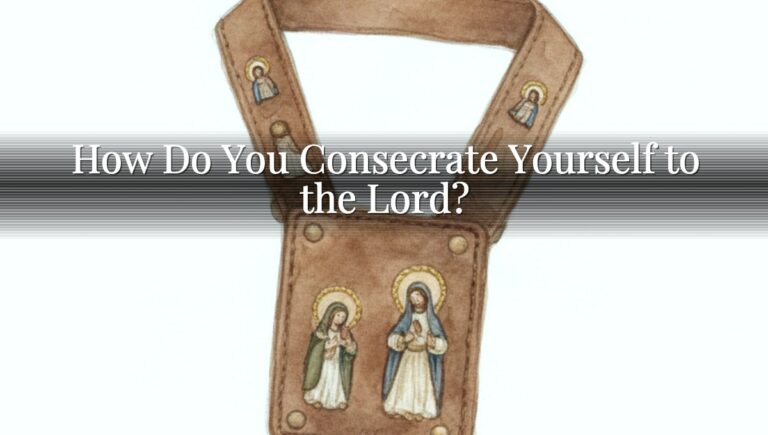
Consecration, a deeply personal journey of devotion, involves wholeheartedly dedicating yourself to God. It's not a one-time event but rather a continuous process of aligning your thoughts, actions, and desires with divine will. Many people feel drawn to this path, seeking a deeper connection with the divine and a more purposeful life. Understanding the process of consecration is vital to navigating this journey effectively.
This journey is not about perfection, but about intentional growth and striving to live in accordance with God's principles. Imagine yourself as a gardener nurturing a plant. You don't expect the plant to grow perfectly overnight, but you provide consistent care, nourishment, and attention. Similarly, consecration is about consistent effort, not a sudden shift.
Understanding the Foundation of Consecration
At the heart of consecration lies a deep desire for transformation. It's about acknowledging your imperfections and seeking God's guidance to overcome them. This transformation isn't just about outward behavior; it's a holistic process encompassing your thoughts, emotions, and actions. Crucial elements include:
- Repentance: Acknowledging and turning away from sins and shortcomings.
- Forgiveness: Letting go of past hurts and resentments, both towards yourself and others.
- Trust: Placing your faith in God's plan and provision.
Imagine a house needing renovation. First, you need to acknowledge the areas that need fixing (repentance). Then, you may need to forgive yourself for past mistakes (forgiveness). After that, you need to trust in the process and the professionals you've hired (trust). Consecration is similar; these are initial steps on the path to transformation.
Consecrating Yourself Naturally Through Daily Practices
Consecration isn't a grand, infrequent event; it's a daily practice. It's weaving God's presence into the fabric of your everyday life. Simple acts of devotion can profoundly impact your journey:
- Prayer: Communicating with God regularly, sharing your joys, sorrows, and concerns.
- Study: Engaging with scriptures and teachings to deepen your understanding of God's word.
- Service: Contributing to the needs of others, mirroring God's love and compassion, whether volunteering at a local soup kitchen or simply helping a neighbor.
For example, taking time for morning prayer sets a positive tone for the day. Reading scripture during your lunch break allows God's wisdom to guide your choices. Offering a helping hand to someone in need mirrors the compassion of God. These small, daily acts contribute to a life more closely aligned with divine principles.
Cultivating a Consecrated Heart
A consecrated heart is one characterized by love, compassion, and humility. It's about developing a relationship with God that extends beyond formal practices. This involves:
- Seeking God's will in your decisions, both big and small.
- Living a life of integrity, choosing to do what is right even when it's difficult.
- Practicing empathy and understanding towards others.
This is a continuous process of learning and growing. Imagine a tree: it grows and changes over time. Consecration is similar; it's a journey of spiritual growth and development. Continuously seeking to understand God's will, embodying integrity, and showing empathy are pivotal to this process.
Overcoming Obstacles in Your Consecration Journey
Difficulties are inevitable in any spiritual journey. Overcoming challenges requires resilience and faith. Possible obstacles include:
- Doubt and fear: These can be overcome with prayer, reflection, and a renewed focus on God's promises.
- Discouragement: Acknowledging feelings and seeking support from fellow believers can provide strength.
- Distractions: Setting boundaries and prioritizing spiritual practices can help maintain focus.
Remember: Consecration is a marathon, not a sprint. Patience, persistence, and a deep connection with God are key to navigating the challenges and staying on track. Use your resources to seek support and guidance from trusted spiritual mentors.
Frequently Asked Questions: Consecration to the Lord
How do I consecrate myself to the Lord?
Consecration is a personal journey of offering your life completely to God. It involves prayer, repentance, and a commitment to follow His will. This may include regular Bible study, prayer, participation in church services, and striving to live a life that reflects Christian values. There is no single ritual; it's a continuous process of surrender and devotion.
What does it mean to consecrate my life to God?
It means committing your entire being – your thoughts, emotions, actions, and possessions – to God's service and guidance. It's a decision to prioritize God's kingdom above all else.
Is there a specific prayer for consecration?
While there's no prescribed prayer, you can express your commitment to God through heartfelt prayer, acknowledging your dependence on Him and your desire to follow His plan for your life.
What are the benefits of consecration?
Consecration leads to a deeper relationship with God, increased peace and fulfillment, greater spiritual strength, and a clearer sense of purpose in life.
How do I know if I'm truly consecrated?
Consecration is a lifelong process, not a single event. Look for evidence in your life, such as increased obedience to God, a desire to serve others, and a growing love for Him. It is important to note that perfection isn't the goal; rather, it's a growing commitment to follow Jesus.
What if I fail after consecrating myself?
God's grace is sufficient. Failure is an opportunity for repentance and renewed commitment. Consecration is about continuous striving, not flawless achievement. Remember God’s forgiveness and unfailing love.