
Sermon on John 3:16: A Timeless Message of Hope
John 3:16 stands as one of Christianity's most recognized and cherished verses. It distills the essence of Christian faith into a single, profound statement: God's boundless love for humanity and the promise of salvation through Jesus Christ. This passage has inspired countless believers across centuries and continues to offer hope to those seeking meaning and redemption. Understanding its layers reveals not just theological doctrine, but a deeply personal message about divine love and human transformation.
The Greatness of God's Love
The verse opens with a declaration that sets the tone for everything that follows: "For God so loved the world..." These words are far more than poetic sentiment. The Greek word used here—agapao—describes a love that is active, sacrificial, and unconditional. It is not the kind of affection we reserve for those we find attractive or deserve our care. Rather, it is a deliberate, conscious choice to love despite obstacles or unworthiness.
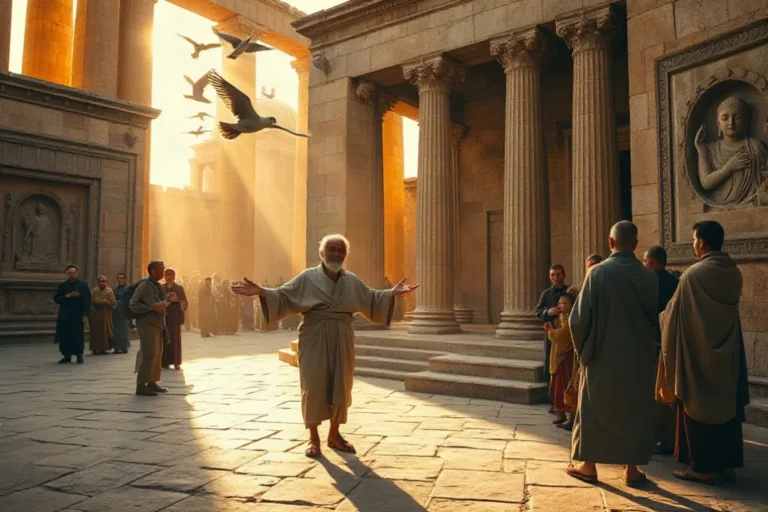
Consider what this means practically. God's love extends beyond the boundaries that typically limit human compassion. It embraces every person regardless of background, circumstances, or past mistakes. Whether someone has lived a righteous life or has repeatedly turned away from faith, this love persists. It transcends race, gender, nationality, and social status. In a world where conditional love is common—where approval depends on performance, appearance, or achievement—God's love operates on an entirely different principle.
This universality is crucial to understanding John 3:16. The verse doesn't say God loved the righteous, the wealthy, or the powerful. It says God loved the world—all of it, including its pain, complexity, and brokenness. This expansive compassion forms the foundation for everything else the verse promises.
The Gift of Salvation
The passage continues with its most stunning claim: "...that He gave His only begotten Son..." To grasp the weight of this statement, imagine the most precious thing in your life—something irreplaceable, something that represents your greatest hope and deepest love. Now imagine offering that freely, without guarantee of gratitude or return. This captures the radical nature of God's action.
Jesus Christ's arrival on earth was not accidental or secondary. His mission centered on a specific purpose: to serve as a sacrifice for human sin. Throughout Christian theology, this moment—when Jesus died on the cross—represents the pivotal act of redemption. His death was not merely a tragic historical event, but a deliberate offering that addressed the fundamental separation between God and humanity caused by sin.
What makes this gift extraordinary is that it cannot be earned, purchased, or merited through good behavior. Many religions and philosophies suggest that salvation or enlightenment comes through personal effort—through accumulating good deeds, following strict rules, or achieving moral perfection. Christianity presents a radically different vision: salvation is a gift, offered freely through divine grace. You do not need to clean yourself up first or prove your worth. The offer stands regardless.
This concept can be deeply liberating but also challenging to accept. Our instincts tell us that everything valuable requires payment or qualification. Yet here is a promise that overturns that expectation: forgiveness, restored relationship with God, and eternal life are offered as pure grace—unearned and undeserved.
The Importance of Faith
The final portion of the verse brings the promise to each individual: "...that whoever believes in Him should not perish but have everlasting life." The word "believes" might seem simple, but it carries profound depth. This is not mere intellectual acceptance—not simply agreeing that Jesus existed or that the Christian story is true.
True belief, in this context, means trust, reliance, and surrender. It involves acknowledging your own spiritual need, recognizing that you cannot save yourself, and placing your confidence entirely in Jesus Christ and what he accomplished. It is a turning point—a moment when someone moves from independence to dependence, from self-reliance to trust in God.
This faith is not passive or static. When someone genuinely believes, transformation follows. Faith naturally leads to repentance—a changing of mind and direction. It motivates obedience, the desire to live in ways that honor God rather than merely pursuing personal desires. It creates a longing to understand and follow God's will. In other words, belief reshapes how we live, not just what we think.
The promise attached to this belief is equally significant: everlasting life. This refers not only to existence after physical death, but to a quality of life characterized by intimate relationship with God that begins now and continues eternally. To perish, by contrast, means to remain separated from God—a spiritual death that continues beyond this life.
A Message for Every Generation
John 3:16 endures because it addresses the deepest questions humans ask: Am I loved? Can I be forgiven? Is there hope for transformation? The verse offers a clear answer to each question, wrapped in a promise that has survived empires, cultural shifts, and centuries of challenge. It is a reminder that God's love is not theoretical or distant, but active and reaching toward us.
For those who embrace this message, life takes on new purpose. Gratitude becomes a natural response to receiving what could never be earned. Hope replaces despair. The transformation begins internally—in how we understand ourselves and our relationship to God—and extends outward into how we treat others, love our neighbors, and pursue meaningful living.
"For God so loved the world that He gave His only begotten Son, that whoever believes in Him should not perish but have everlasting life." (John 3:16)