
Pastors and Preachers: What's the Difference?
Pastors and preachers are both leaders in religious organizations, but their roles and responsibilities can vary significantly depending on the denomination or congregation. Understanding these distinctions helps clarify what each role entails and how they complement one another in a faith community.
Who is a Pastor?
A pastor is typically the head of a church or congregation. They serve as the primary spiritual authority and administrator, responsible for providing spiritual guidance, leading worship services, and overseeing the overall operation of the church. Beyond the pulpit, pastors are expected to be present in the lives of their members—providing counseling, offering support during difficult times, and delivering pastoral care that extends from baptisms and weddings to funerals and personal crises. It's a role that demands both theological knowledge and genuine human connection.
Who is a Preacher?
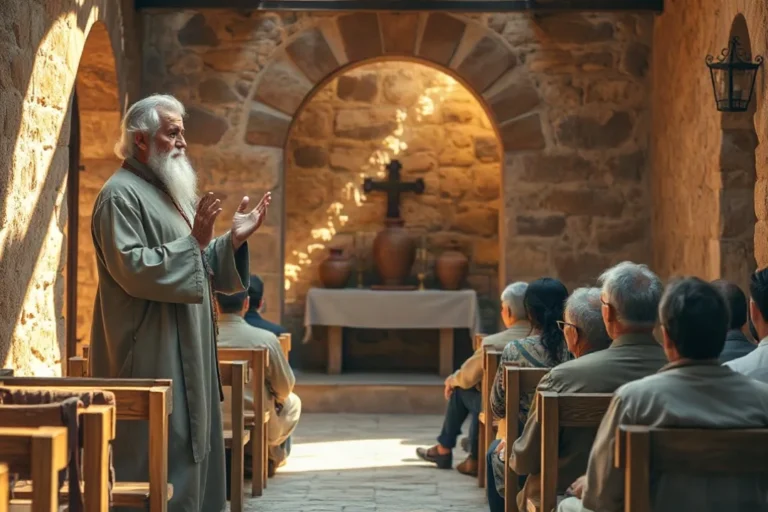
A preacher is a person whose primary calling is delivering sermons and religious speeches. Unlike pastors, who are anchored to a specific congregation, preachers may be ordained or lay leaders who work in a variety of settings: churches, revivals, conferences, evangelistic crusades, and other religious gatherings. Their strength lies in crafting and delivering powerful, inspiring messages that motivate and uplift listeners. While pastors manage the whole ecosystem of a church, preachers are specialists in the art of proclamation.
Key Differences
While pastors and preachers share some similarities, there are several key differences between their roles:
| Aspect | Pastor | Preacher |
|---|---|---|
| Responsibilities | Wide range: administrative duties, counseling, pastoral care, worship leadership, sermon preparation, financial oversight, and member support | Primarily focused on delivering sermons and religious messages; may include teaching at conferences or revivals |
| Ordination | Typically ordained ministers with formal theological training and official certification from their denomination | May or may not be ordained; training level varies widely, from formal seminary education to self-taught or apprenticeship models |
| Work Setting | Stationed within a specific church or congregation, serving the same community over time | May work in multiple settings—traveling to different churches, leading revivals, speaking at conferences, or conducting evangelistic campaigns |
| Primary Focus | Providing comprehensive spiritual leadership, pastoral care, and institutional management to their congregation | Delivering powerful and inspiring messages that challenge, comfort, and guide listeners spiritually |
Working Together
In many churches, pastors and preachers work as a team to create a comprehensive religious experience. While the pastor handles the day-to-day spiritual leadership, pastoral care, and administrative responsibilities, the preacher may deliver sermons with particular eloquence and power, or bring fresh perspectives through guest preaching engagements. Some pastors are also excellent preachers, filling both roles themselves. By combining their distinct skills and talents—the pastor's shepherding instincts with the preacher's oratorical gifts—they help create a vibrant and dynamic religious community that nurtures both spiritual depth and inspiration.
Pastors and preachers are both vital leaders in religious organizations. While their roles and responsibilities may differ, they share a common goal: providing spiritual guidance and inspiration to their congregations. By understanding the differences between these two roles, individuals can better appreciate their unique contributions to the religious community and recognize that a healthy church often benefits from both the steady pastoral presence and the inspired proclamation.
Frequently Asked Questions about Pastors and Preachers
What is the difference between a pastor and a preacher?
While both pastors and preachers are involved in religious ministry, their scope and approach differ. A pastor is typically the leader of a local congregation, overseeing its spiritual and administrative affairs. They provide guidance, support, and pastoral care to members, handling everything from counseling to budgets. A preacher, on the other hand, primarily focuses on delivering sermons and teaching religious principles. They may travel to different congregations, speak at revivals, or work as part of a larger ministry, specializing in the power of proclamation rather than congregation management.
What are the responsibilities of a pastor?
Pastors carry a broad portfolio of responsibilities:
- Leading worship services and preparing sermons
- Providing pastoral care to members during life transitions and crises
- Overseeing church programs and activities
- Managing the church's finances and administrative operations
- Offering counseling and spiritual direction
- Building and nurturing relationships within the congregation
- Representing the church in the wider community
What are the qualifications to become a pastor?
The qualifications vary depending on the denomination or church organization, but common requirements include a strong faith commitment, theological education (often a seminary degree), experience in ministry, and a demonstrated call to serve the local church. Some denominations have additional requirements such as character references, psychological evaluations, or apprenticeship periods. The specifics depend on your faith tradition, so it's worth researching your particular denomination's standards.
What is the role of a preacher?
Preachers are responsible for delivering sermons and teaching religious principles in ways that inspire and challenge their audiences. They may work in churches, Bible colleges, conferences, evangelistic campaigns, or revival meetings. A preacher's goal is to communicate spiritual truths compellingly, helping listeners connect with their faith and apply religious teachings to their lives. Some preachers specialize in particular styles—expository preaching, narrative sermons, or prophetic messages—depending on their calling and context.
How can I find a good pastor or preacher?
Finding the right pastor or preacher for your spiritual needs involves several steps:
- Seek recommendations from trusted sources—friends, family members, or other faith leaders who know your values
- Attend services to observe their ministry firsthand and assess their delivery, authenticity, and connection with the congregation
- Evaluate their qualifications, theological training, and denominational credentials
- Consider their compatibility with your spiritual beliefs, values, and needs
- Look for evidence of integrity, compassion, and genuine care for people
- Don't rush the decision—give yourself time to experience their ministry across multiple services