
Leviticus Offerings: A Comprehensive Guide

Leviticus, the third book of the Hebrew Bible, contains detailed instructions and regulations for the Israelites regarding various aspects of their religious life. Among the most significant aspects of Levitical law are the offerings that the Israelites were required to make to God. These offerings served a variety of purposes and functioned as the backbone of the Israelite worship system, shaping how the people understood their relationship with the divine and how they sought forgiveness, thanksgiving, and fellowship.
Types of Offerings
Leviticus classifies offerings into five main types, each with its specific purpose and symbolism. Understanding these distinctions helps clarify how ancient Israelite worship operated and what each ritual was meant to accomplish:
| Type of Offering | Basic Description | Primary Purpose |
|---|---|---|
| Burnt Offerings | Animals were completely burned on the altar | Total surrender and devotion to God; purification |
| Grain Offerings | Flour, oil, and wine were offered | Thanksgiving and acknowledgment of God's sustenance |
| Peace Offerings | Animals were partially burned and partially eaten | Fellowship and reconciliation; covenant relationship |
| Sin Offerings | Animals were sacrificed and burned | Atonement for specific sins and unintentional transgressions |
| Guilt Offerings | Animals were offered with additional restitution | Restitution for wrongdoing or offenses against God or others |
Significance of Offerings
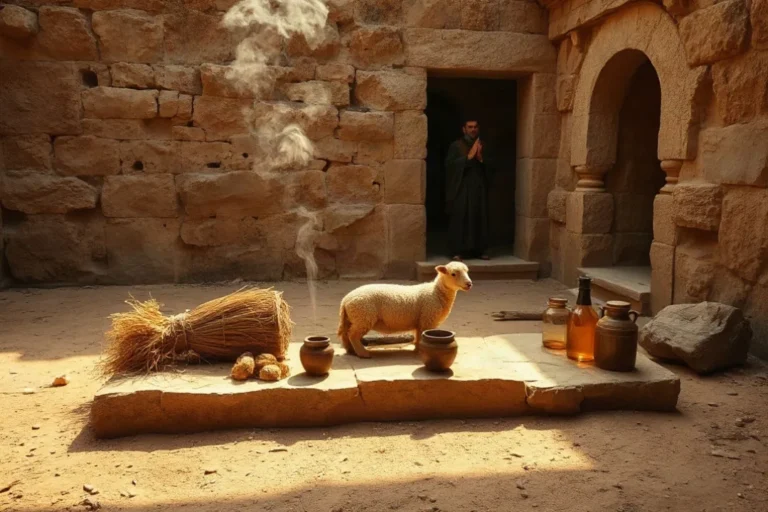
Levitical offerings were far more than mere rituals or empty ceremonies. They held deep spiritual significance for the Israelites, functioning as a language through which the community could communicate with God. When an Israelite brought an offering, they were making a statement about their place in the world: they acknowledged their dependence on a power greater than themselves, expressed gratitude for the blessings they had received, and demonstrated their willingness to make amends when they had fallen short.
Think of these offerings as a ritual vocabulary. Just as we today might write a letter to express our feelings or attend a ceremony to mark an important occasion, the ancient Israelites used offerings to communicate spiritually. Through these acts, they sought to maintain a close relationship with God and to fulfill the covenant he had established with them—a sacred agreement that bound the people to their Creator and defined their communal identity.
Specific Instructions
The book of Leviticus does not simply describe offerings in general terms; it provides meticulous, step-by-step instructions for how each offering should be performed. These specifications covered the species of animal to be sacrificed (cattle, sheep, goats, or birds, depending on the offering type), the precise amount of flour or wine to be offered, the exact rituals to be performed, and even details about which parts should be burned and which consumed.
This precision was not pedantic. For the Israelites, following God's prescribed pattern exactly was itself an act of obedience and respect. Deviating from these instructions was seen as failing to honor God properly. The detailed nature of these regulations also ensured consistency across the community and prevented misunderstandings about what was required. Whether someone was making an offering in Jerusalem or in a regional sanctuary, they would follow the same divine blueprint.
Purpose of Offerings
The Levitical offerings served multiple interconnected purposes in Israelite religious life:
- Express worship and devotion to God: Offerings were a tangible means of demonstrating the Israelites' love and reverence for their Creator. By surrendering something of value—an animal from their flock or grain from their harvest—they were saying, "You are worth this sacrifice to me."
- Atone for sins: Certain offerings, particularly sin and guilt offerings, were made to seek forgiveness for wrongdoing and to restore a broken relationship with God. Sin was understood not merely as a personal failing but as something that disrupted the covenant relationship between God and his people.
- Provide sustenance and thanksgiving: Grain offerings were a way of expressing gratitude for God's provision and of petitioning for his continued blessing. In an agrarian society where the harvest determined survival, this form of gratitude carried profound weight.
- Maintain fellowship with God: Peace offerings were a symbol of the covenant relationship between God and his people. The fact that the meat was partially eaten—shared between the altar, the priests, and the offerer—emphasized the communal and relational aspect of worship.
Together, these offerings created a comprehensive religious system that addressed the full spectrum of human spiritual needs: the desire to worship, the burden of guilt, the impulse to give thanks, and the longing for connection. Levitical offerings were not peripheral to Israelite faith but central to how the people lived out their covenant commitment and maintained their spiritual health as a community.
Frequently Asked Questions on Leviticus Offerings
What are the different types of offerings in Leviticus?
The book of Leviticus outlines five main types of offerings: burnt offerings, grain offerings, peace offerings, sin offerings, and guilt offerings. Each served a distinct purpose in the Israelite worship system and responded to different spiritual circumstances.
What is the purpose of a burnt offering?
A burnt offering is a complete offering consumed by fire on the altar. It represents the complete surrender of the offerer to God and symbolizes purification and atonement for sins. Because the entire animal was burned rather than partially eaten, it emphasized the totality of the act—nothing was held back or consumed by the offerer or priests.
How is a grain offering made?
A grain offering consists of ground flour or roasted grain seasoned with salt and oil. It is offered to God as a gift or expression of thanks and can be accompanied by other offerings such as drink offerings of wine. This offering was particularly important for those who could not afford animals, making the offering system more accessible to the poor.
What is the difference between a peace offering and a sin offering?
A peace offering is made in gratitude or to fulfill a vow. It is partially consumed by the offerer and the priests, with the remaining portion burned on the altar, emphasizing the shared relationship between God, the priesthood, and the worshiper. A sin offering, by contrast, is made to atone for unintentional sins and is completely burned on the altar, with the focus on purification rather than communion.
What are the consequences of neglecting to make an offering?
According to Leviticus, neglecting to make an offering for certain sins could result in severe consequences, including exclusion from the community and, in extreme cases, even death. This reflected the Israelite understanding that failing to maintain proper relationship with God through prescribed offerings was not a minor matter but a serious breach of covenant that threatened both individual and communal well-being.