
How to Anoint with Oil: A Step-by-Step Guide

Anointing with oil is a meaningful practice across many religious and spiritual traditions, used to symbolize blessing, consecration, and healing. Whether you're performing it on yourself or as part of a ceremony with others, this ritual can deepen your spiritual connection and intention. Below is a practical guide to help you understand and carry out the process respectfully and effectively.
Materials You'll Need
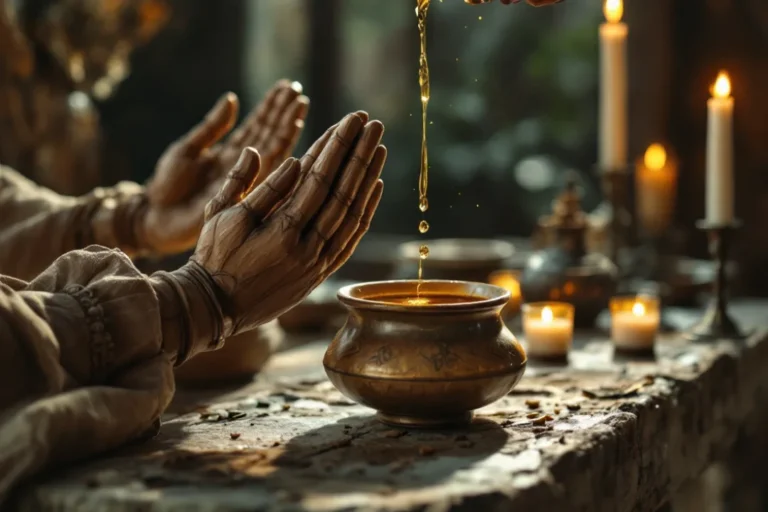
- Anointing oil: Select a consecrated oil that aligns with your personal values or the specific purpose of your anointing. The oil you choose becomes the vessel for your intention.
- Container: A small bowl or dish to hold the oil during the ritual, keeping it accessible and contained.
- Cotton ball or soft cloth: This allows for controlled, gentle application without using your fingers directly.
- Optional: A prayer or intention: Having words prepared—spoken aloud or kept silent—anchors the ritual's spiritual significance.
Step 1: Prepare Your Space and Set an Intention
Before you begin, create a quiet, undisturbed environment where you can focus fully on the ritual. This might be a corner of your room, a meditation space, or anywhere you feel calm and centered. Once your space is ready, clarify your intention: Are you seeking healing for yourself or someone else? Asking for blessing before an important event? Seeking spiritual protection? Being clear about your purpose transforms the anointing from a mere act into a meaningful ritual.
Step 2: Consecrate the Oil (Optional)
If your oil isn't already consecrated, you can do so yourself through prayer, meditation, or a personal ritual that connects you to its purpose. This step personalizes the oil and infuses it with your spiritual energy. You might hold the container in your hands and speak your intention aloud, visualize healing light entering the oil, or simply sit with it in quiet reflection. The consecration doesn't require specific words or formal training—it's about your genuine connection to the practice.
Step 3: Apply the Oil
For Personal Use:
When anointing yourself, the process is straightforward but intentional. Hold your cotton ball or cloth over the oil container and pour a few drops onto it—you need only a small amount, as the oil will spread easily across your skin. Apply it gently to your forehead, temples, and heart area, or to whichever body parts you feel called to anoint. Some people also choose to apply oil to their hands, feet, or along the spine, depending on their tradition or personal intuition.
For Anointing Others:
When anointing another person, consent and respect are essential. Ask the person to sit or stand comfortably in front of you, explain what you're doing and why, and ensure they're willing to participate. This openness and transparency make the experience meaningful for both of you. Using a cotton ball or cloth, apply the oil gently to their forehead, temples, and heart with a light, reverent touch. Always be mindful of personal boundaries and watch for any signs of discomfort.
Step 4: Allow the Oil to Absorb
After application, allow the oil to absorb naturally into the skin. Resist the urge to wipe it off or wash it immediately. This absorption process is symbolic—the oil settling into your skin represents the intention settling into your spirit. Depending on the amount used and the oil's viscosity, absorption may take anywhere from a few minutes to longer.
Step 5: Offer a Prayer or Intention
With the oil applied, close your eyes and spend a moment in prayer, meditation, or silent reflection. Voice your intention clearly—whether you're requesting healing, asking for blessing, seeking guidance, or extending protection. You might use traditional prayers from your faith tradition or speak words that feel authentic to you. This closing moment solidifies the ritual and directs your spiritual energy toward your desired outcome.
Additional Tips
- Always use a light touch when applying oil, especially when anointing someone else. Gentleness conveys reverence.
- If you're anointing another person, be consistently respectful of their personal space and comfort level. Check in with them throughout the process.
- While the forehead, temples, and heart are traditional anointing areas, you can anoint any body part depending on your tradition or what feels right for the situation.
- Choose an oil that suits both your spiritual purpose and skin type. Those with sensitive skin should test the oil first or opt for gentler varieties.
- Remember that intention and connection are the heart of the ritual—the specific words, oil type, and body areas matter far less than your genuine spiritual engagement.
Frequently Asked Questions on How to Anoint with Oil
Q: What is the significance of anointing with oil?
A: Anointing with oil has held importance across cultures and religions for centuries, traditionally symbolizing blessing, healing, and consecration. In Christian practice, it's connected to the anointing of priests and kings. In other spiritual traditions, it marks important life transitions, spiritual initiation, or the activation of healing energy. The act itself—choosing oil, preparing intentionally, and applying it mindfully—reinforces the spiritual significance of the moment.
What types of oil can be used for anointing?
A: Olive oil is the most traditional choice, with deep historical and religious roots spanning thousands of years. However, other pure vegetable oils work well too: sesame oil, coconut oil, almond oil, or jojoba oil are all appropriate options. Some people prefer oils infused with herbs or essential oils to align with their specific intention. The key is choosing a pure, high-quality oil that feels right for your purpose and won't irritate skin.
How should the oil be applied?
A: Application varies depending on your tradition and purpose. Common areas include the forehead, the crown or top of the head, and the heart. Some anointing practices involve tracing a cross on the forehead with oil, while others use broader, gentle strokes. The amount should be minimal—just enough to create a light sheen on the skin. The method is less important than the care and intention you bring to it.
Can anyone perform anointing?
A: This depends on your tradition. Some religious contexts require authorized individuals such as priests or ordained spiritual leaders to perform anointing, particularly in formal sacramental settings. However, in many spiritual practices, anyone can anoint themselves or others with genuine prayer and intention. If you're following a specific religious tradition, check its guidelines; otherwise, your sincere intention and respect for the practice are what matter most.
What is the recommended frequency for anointing?
A: Frequency is entirely personal and tradition-dependent. Some people anoint themselves daily as part of their spiritual practice, while others do it weekly, monthly, or only during significant life events or spiritual occasions. There's no single "correct" answer—let your intuition and your specific needs guide you. What matters is that the practice remains meaningful and intentional each time you do it.
Can anointing with oil cure illnesses?
A: While anointing with oil holds profound symbolic and spiritual significance, it should never replace medical treatment. Anointing is a spiritual practice meant to support healing and inner peace, not to cure physical ailments. If you're experiencing health concerns, consult a qualified healthcare professional. You can practice anointing alongside medical care as part of a holistic approach to wellness, but never as a substitute for professional medical advice.