
Baptism and Christening: Understanding the Key Differences

What is Baptism?
Baptism is a sacred sacrament in the Catholic Church that formally initiates individuals into the Christian faith. The ritual involves the washing away of sins and represents a deliberate commitment to follow Christ's teachings. What makes baptism distinctive is that it can be performed on people of any age—whether newborns, children, or adults—and can be administered through three different methods: immersion (full submersion in water), pouring (water poured over the head), or sprinkling (water sprinkled on the person). This flexibility in method exists across various Christian traditions, allowing communities to adapt the ceremony to their specific practices and circumstances.
What is Christening?
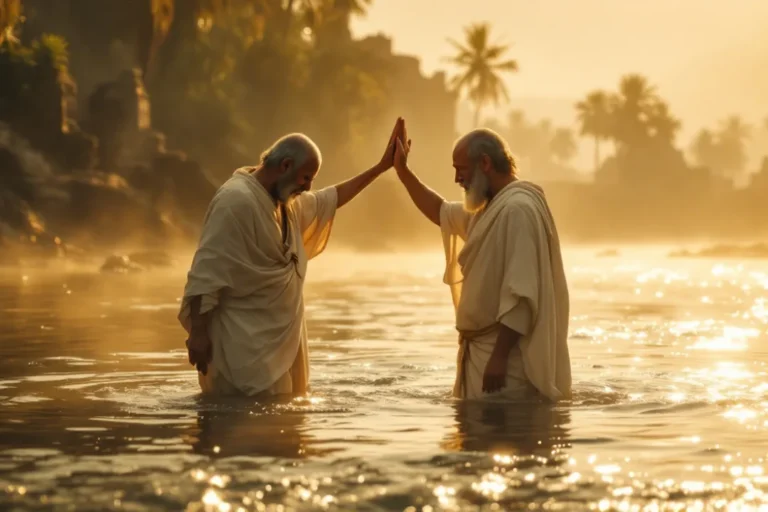
Christening is a term that, while sometimes used interchangeably with baptism in casual conversation, carries a more specific and narrower meaning: the naming of an individual. The word itself originates from the practice of "giving a name to" someone, which is why christening ceremonies are traditionally performed on infants. Although a christening may include the sprinkling of water as part of the ritual, it functions primarily as a social and familial celebration rather than a sacrament. Importantly, christening does not carry the same theological weight as baptism and does not automatically confer church membership or signify entry into the Christian faith in the sacramental sense.
Key Differences
While baptism and christening share some surface similarities—both involve water and are celebrated in religious settings—they are fundamentally different in purpose, significance, and practice. Understanding these distinctions can help clarify which ceremony is right for your family's spiritual journey:
| Aspect | Baptism | Christening |
|---|---|---|
| Primary Purpose | Initiates individuals into the Christian faith and cleanses sins | Primarily focuses on naming the child |
| Age of Recipient | Can be performed at any age | Typically performed on infants |
| Sacramental Status | Is a mandatory sacrament for Christians | Is not a sacrament in most traditions |
| Theological Significance | Signifies washing away of sins and rebirth in faith | Does not carry deep theological implications |
| Method of Water Application | Typically immersion or pouring | Usually only sprinkling |
| Biblical Basis | Explicitly mentioned and practiced in the Bible | A later tradition that developed over time |
| Denominational Use | Practiced universally across all Christian denominations | More common in certain traditions, particularly Anglican churches |
| Personal Commitment | Involves a personal commitment or vow to God | May not necessarily represent the individual's own decision |
| Role of Godparents | Godparents may be present in some denominations | Godparents play a central role, especially in the Church of England, making formal promises on behalf of the child |
| Church Membership | Establishes formal membership in the church community | Does not necessarily confer church membership |
Christening in the Church of England
The Church of England has developed specific traditions around christening that emphasize the role of godparents. During these ceremonies, godparents—typically family members or close friends chosen by the parents—make formal promises to support the child's Christian development and upbringing. Traditionally, these godparents are expected to be physically present at the service, as their in-person participation is considered essential to their official status and the validity of their vows. However, recognizing the realities of modern life where family members may live far apart, many Church of England parishes have adapted their practices. Today, some churches allow absent godparents to participate through video conferencing technology, enabling them to witness the ceremony and take part in the proceedings even when they cannot travel to be there in person. This flexibility balances tradition with practicality, ensuring that meaningful participation isn't limited by geography alone.
FAQ on Baptism and Christening
What's the difference between baptism and christening?
The two terms are often used interchangeably in everyday conversation, which can create confusion. However, they refer to distinct practices. "Christening" is fundamentally about naming—it's the ceremonial act of giving a name to a child. "Baptism," by contrast, is a theological sacrament that represents initiation into the Christian faith. Baptism encompasses embracing Christ's teachings and symbolizes the spiritual cleansing of sins. While a christening ceremony may include some water ritual, it's primarily a social and naming event, whereas baptism is a sacred commitment to Christian belief and practice.
What's the significance of baptism?
Baptism represents far more than a ceremonial moment—it's the beginning of a deep personal relationship with Christ. For those baptized, this connection requires ongoing spiritual nourishment throughout life, pursued through regular worship attendance, consistent prayer, and engaged Bible study. Baptism marks a conscious, intentional choice to follow Christ's path and teachings. It's both a public declaration of faith and an inward transformation, establishing the person as a member of the broader Christian community and committing them to live according to Christian principles.
Who can undergo baptism?
One of the remarkable aspects of baptism is its universal accessibility. The sacrament can be administered to individuals at any stage of life—whether newborns, teenagers, or elderly adults. This flexibility reflects the Christian belief that faith and the desire to follow Christ can emerge at any point in a person's journey. Some Christian traditions baptize infants as part of their communal faith, while others prefer to baptize individuals once they can consciously express their own commitment to Christ.
What does baptism entail?
The baptismal ritual itself is relatively straightforward in its mechanics, though profound in its meaning. The ceremony acknowledges the individual's name and formally welcomes them into the Christian community. The actual application of water can take three forms: immersion (full submersion), pouring (water cascading over the head), or sprinkling (aspersion). Regardless of which method is used, the water symbolizes the washing away of sins and the person's rebirth into a new life centered on Christ's teachings and Christian values.
What's the role of godparents in baptism?
Godparents hold particular significance in certain Christian traditions, most notably in the Church of England. In these contexts, godparents are not merely honorary titles—they assume genuine spiritual responsibilities for the child's Christian upbringing. They make formal, binding promises to support the child's faith development, guide them in Christian values, and ensure they receive proper religious instruction. In the Church of England specifically, godparents are traditionally required to be physically present at the christening ceremony to make these vows in person, underscoring the seriousness of the commitment. Their role extends well beyond the ceremonial moment, making them active participants in the child's spiritual life.