
Finding Peace and Strength: Understanding "El Que Habita al Abrigo del Altísimo"
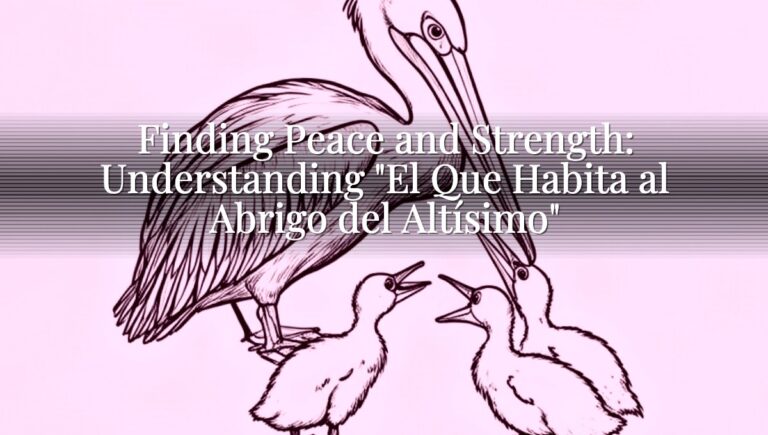
The phrase "el que habita al abrigo del altísimo" translates to "he who dwells under the shadow of the Most High." It's more than just a translation; it's a profound concept offering a path to resilience and inner peace. This concept speaks to a deep connection with something greater than ourselves, a source of strength and protection. This connection, when nurtured, allows us to navigate life's challenges with greater fortitude and clarity. It encourages us to seek refuge, support, and guidance from a higher power.
Understanding "el que habita al abrigo del altísimo" is about recognizing that we are not alone. It's a reminder that life's storms can be faced with courage and faith. When we acknowledge the presence of a higher power, we open ourselves to a deeper understanding of our own strengths and weaknesses. This understanding, in turn, helps us to make informed choices aligned with our values and principles. We start to see ourselves as part of a larger, supportive system, and this perspective can be incredibly empowering.
The Psychological Benefits of Connection with the Divine
A key psychological benefit of embracing the concept of "el que habita al abrigo del altísimo" is reduced anxiety and fear. When we feel connected to something larger than ourselves, we experience a sense of security and belonging. This can translate to a greater feeling of control and agency over our lives, even in the face of uncertainty. Additionally, connecting with a higher power often involves practicing mindfulness and gratitude, allowing us to appreciate the present moment and the blessings in our lives.
Furthermore, recognizing "el que habita al abrigo del altísimo" fosters self-compassion and resilience. It's about accepting that we will face challenges, but also believing in our ability to overcome them. This concept encourages us to view setbacks not as personal failures, but as opportunities for growth and learning. For instance, if you are facing a difficult situation, remembering that "el que habita al abrigo del altísimo" is watching over you can be a source of comfort and motivation.
Practical Applications of this Concept in Daily Life
So, how can we integrate this concept of "el que habita al abrigo del altísimo" into our daily lives? The answer lies in cultivating a sense of connection and gratitude. We can do this through prayer, meditation, journaling, or simply taking time each day to appreciate the beauty of the world around us. Think of it like this: when you feel overwhelmed by a problem, instead of getting caught up in negative thoughts, you can turn to "el que habita al abrigo del altísimo" for support. This strengthens your inner resilience. Taking a moment to breathe and focus on your belief system can be exceptionally helpful.
Another practical application is engaging in activities that bring you joy and meaning. These activities can help you connect with something larger than yourself. Maybe it's spending time in nature, volunteering for a cause you care about, or simply appreciating the small moments of beauty in your everyday life. This is a reminder that finding peace and strength comes from within, often through a deep connection with something higher. Examples could include attending religious services, practicing yoga, or engaging in creative pursuits.
Navigating Challenges with Faith and Strength
Life's inevitable challenges can be particularly difficult to overcome. However, remembering "el que habita al abrigo del altísimo" can provide unwavering support during times of adversity. When you feel lost or overwhelmed, recalling this concept can help ground you in faith and strength. It's about recognizing that even in the darkest hours, there is a guiding presence, a source of solace and support. Think of facing a job interview - recalling the concept of "el que habita al abrigo del altísimo" can instill courage, reminding you of your inner strength and the potential for success.
By focusing on the strength that comes from this concept, we can begin to experience a deeper understanding of ourselves and our place in the universe. Finding a sense of hope and purpose, even in the midst of uncertainty, is a significant step towards navigating life's challenges with greater resilience. This strength, found in the connection to "el que habita al abrigo del altísimo", manifests as inner peace and a renewed sense of purpose. This knowledge can be a constant source of strength and comfort in challenging times.
Frequently Asked Questions: El Que Habita Al Abrigo Del Altísimo (Psalm 91) - A Psychological Perspective
What is the psychological significance of Psalm 91?
Psalm 91 offers a rich tapestry of psychological themes, exploring concepts of safety, security, trust, and the relationship between faith and well-being. From a psychological perspective, the imagery of dwelling in the shadow of the Almighty can be interpreted as a metaphor for finding refuge and solace amidst life's challenges. The promise of protection and guidance can foster a sense of hope and resilience, promoting mental and emotional health. However, it's crucial to approach such interpretations with sensitivity, recognizing the diversity of individual experiences and beliefs.
How can Psalm 91 be applied to coping with anxiety and fear?
The themes of protection and divine presence in Psalm 91 can provide comfort and reduce anxiety. The imagery invites individuals to cultivate a sense of trust and surrender, which can be empowering in the face of fear. However, it's important to note this is not a replacement for professional psychological help. For those struggling with significant anxiety or fear, seeking support from a mental health professional is strongly recommended.
Does Psalm 91 offer a psychological framework for building resilience?
Yes, the Psalm’s message of unwavering faith and reliance on a higher power can foster a sense of resilience. The imagery of overcoming dangers and receiving divine protection can inspire hope and strength in the face of adversity. This sense of hope and strength can be a foundation for developing coping mechanisms and bouncing back from challenges. However, resilience is a complex process, and relying solely on religious faith might not be sufficient for everyone.
How does Psalm 91 relate to the concept of self-efficacy?
While Psalm 91 emphasizes reliance on a higher power, it can indirectly contribute to self-efficacy (belief in one's ability to succeed). The sense of security and protection offered by the Psalm can free up mental and emotional energy, allowing individuals to focus on their goals and challenges with greater confidence. This increased confidence, however, should be viewed as a potential benefit, not as a guaranteed outcome. Professional guidance may be needed to develop self-efficacy fully.
Can Psalm 91 be used as a therapeutic tool?
Psalm 91 can be a valuable resource for some individuals seeking solace and comfort. Its evocative language and imagery can provide a sense of peace and hope. However, it's crucial to understand that it's not a substitute for professional psychological treatment. It may be used as a complementary tool alongside therapy, but not as a sole treatment modality.